3D Printing & Prefab: Is the Future of Sacramento ADUs Built Off-Site?
3D Printing & Prefab: Is the Future of Sacramento ADUs Built Off-Site?
![[HERO] 3D Printing & Prefab: Is the Future of Sacramento ADUs Built Off-Site?](https://cdn.marblism.com/tdPfzVTo2mR.webp)
The ADU boom in Sacramento shows no signs of slowing down. With housing demand continuing to outpace supply, homeowners across the region are looking for faster, more efficient ways to add living space to their properties. Enter off-site construction methods: prefabrication and 3D printing technologies that promise to reshape how guest houses and accessory dwelling units get built.
But are these methods ready for prime time in Sacramento? And more importantly, are they right for your project? This guide breaks down what you need to know about off-site ADU construction in 2026.
What Is Off-Site ADU Construction?
Off-site construction refers to any building method where significant portions of a structure are manufactured away from the final location. For ADUs, this typically falls into two categories:
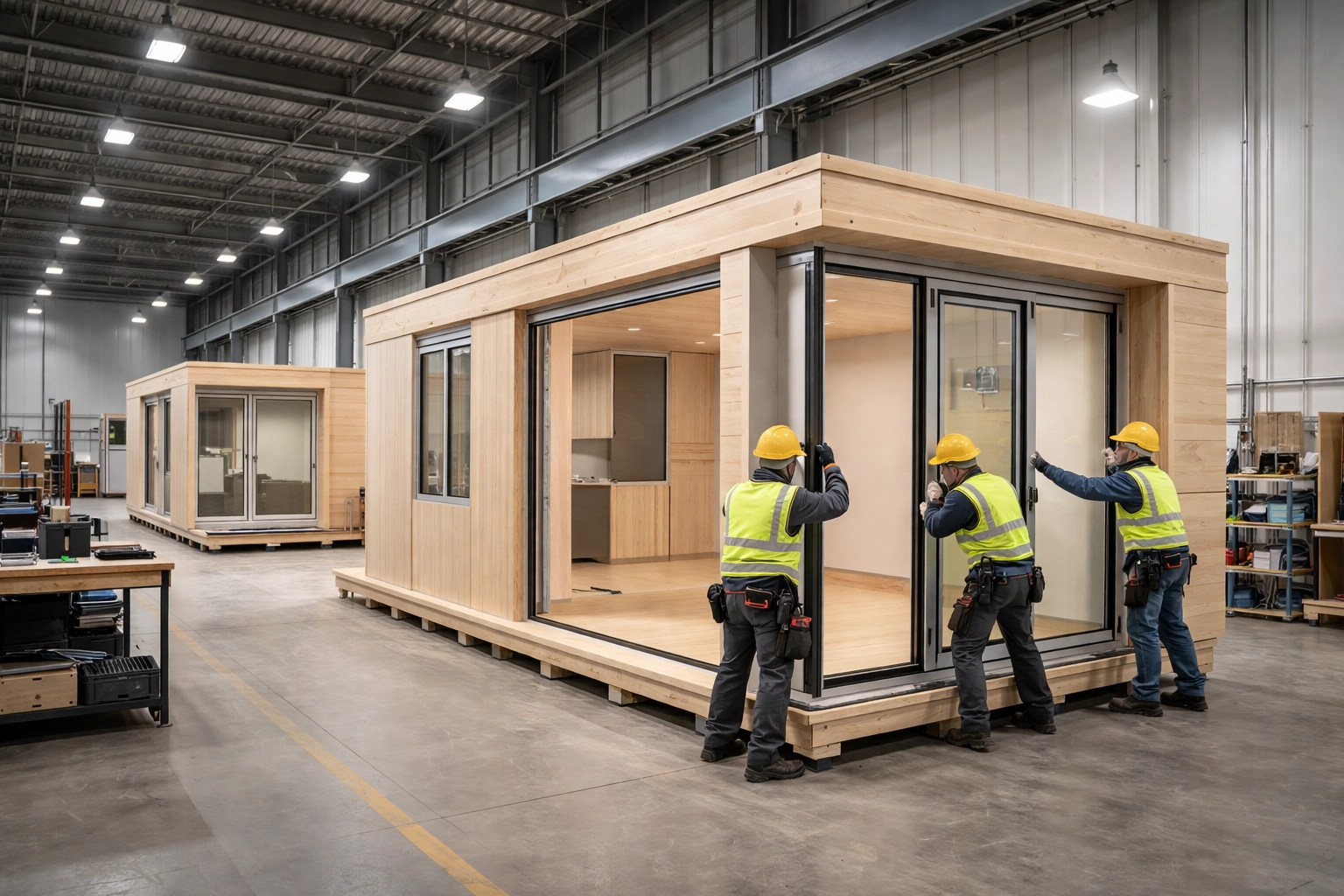
Prefabricated (Prefab) ADUs: These units are built in controlled factory environments, transported to your property, and installed on a prepared foundation. They can range from fully complete units to modular sections assembled on-site.
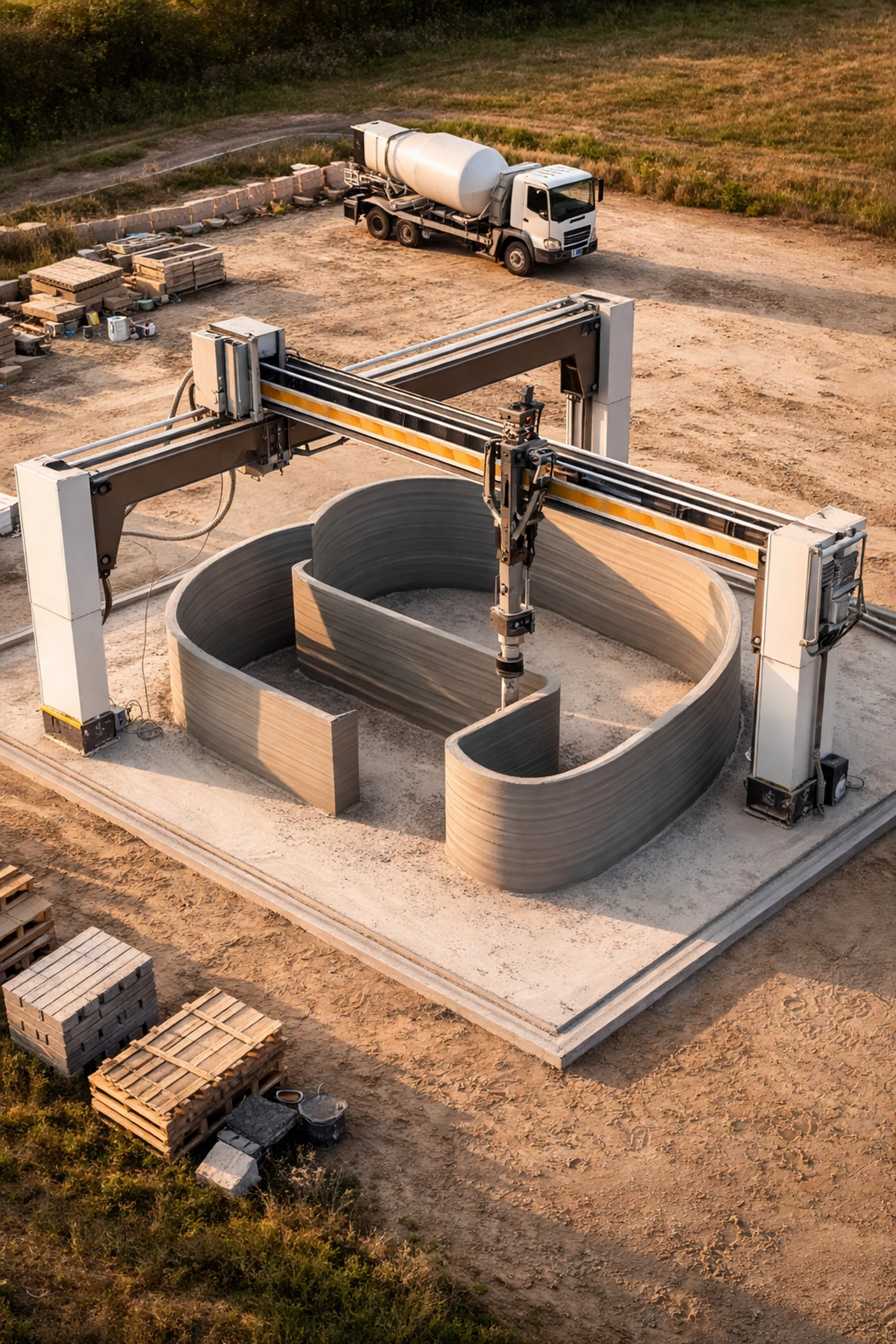
3D-Printed Construction: An emerging technology where specialized printers extrude concrete or other materials layer by layer to create structural walls and components. While still relatively new for residential applications, 3D printing is gaining traction for its potential to reduce labor costs and material waste.
The Rise of Prefab ADUs in Sacramento
Prefabricated ADUs have moved well beyond the "trailer home" stigma of decades past. Modern prefab units offer architectural designs that blend seamlessly with existing homes, and Sacramento has embraced this construction method through several initiatives.
Local Support for Off-Site Solutions
Sacramento County and the City of Sacramento have developed "Shelf Ready" ADU plans: preapproved designs available free to residents. When homeowners use these standardized plans, permitting timelines can shrink dramatically. Some detached ADU applications using preapproved designs receive approval in as little as 30 days, compared to the typical months-long permitting process.
Local contractors now routinely offer prefab options as part of their standard services, making it easier than ever to explore off-site construction for your project. For a deeper dive into ADU regulations and requirements in our area, check out our guide to building ADUs in California.
3D Printing: The Emerging Frontier
While prefab ADUs are well-established, 3D printing represents the next evolution in construction technology. Here's what makes it compelling:
- Precision: Computer-controlled printing eliminates many human errors in construction
- Speed: Some 3D-printed structures can have walls completed in days rather than weeks
- Material efficiency: Printing deposits material only where needed, reducing waste significantly
- Design flexibility: Complex curved walls and custom shapes become more feasible
That said, 3D printing for residential ADUs in Sacramento remains in its early stages. Most local applications currently focus on foundations, walls, and structural components rather than complete turnkey units. The technology is advancing rapidly, but homeowners considering this route should expect to work with contractors who combine 3D-printed elements with traditional construction methods.
Benefits of Off-Site Construction for ADUs
Faster Build Times
Traditional on-site ADU construction typically takes 6–12 months from initial consultation to move-in. Prefab ADUs can compress this timeline to 6–9 months, with much of the construction happening simultaneously with site preparation work.
The time savings come from several factors:
- Factory work proceeds regardless of weather conditions
- Multiple units can be in production simultaneously
- Site work and unit construction happen in parallel
- Quality control catches issues before delivery
Reduced Site Disruption
Anyone who has lived through a major construction project knows the disruption involved: noise, dust, contractor traffic, and general chaos. Off-site construction minimizes this significantly. Your property sees activity during foundation preparation and final installation, but the months of daily construction noise happen elsewhere.
Cost Efficiency
Factory environments allow for bulk material purchasing, specialized equipment, and streamlined labor processes. These efficiencies can translate to cost savings, though the final price depends heavily on:
- Unit size and design complexity
- Site preparation requirements
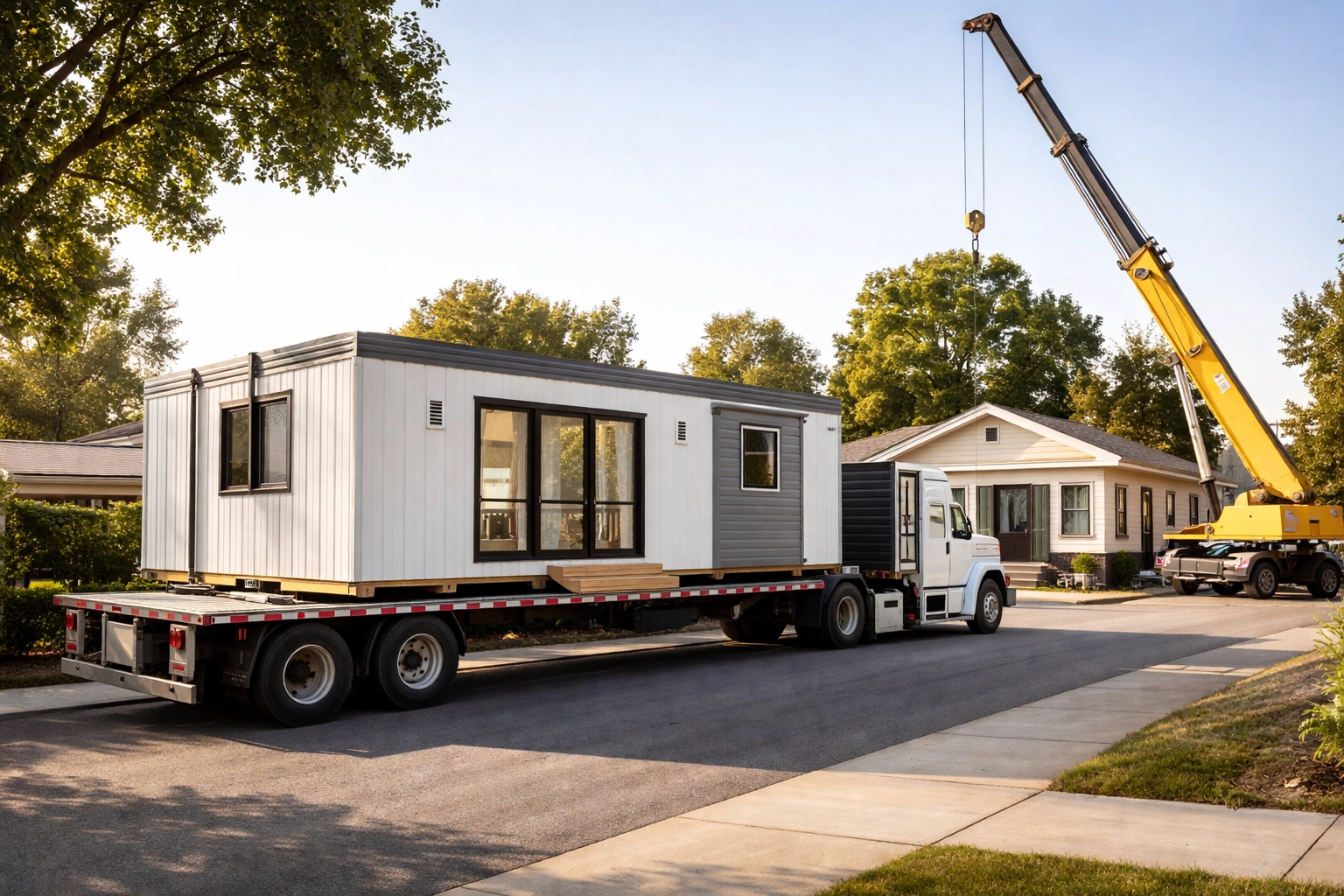
- Transportation and crane costs for delivery
- Local permitting fees
- Foundation and utility connection work
Sustainability Advantages
Off-site construction methods generally produce less waste than traditional building. Factory settings allow for precise material cutting, recycling of scraps, and controlled disposal. For homeowners prioritizing environmental impact, this represents a meaningful benefit.
The controlled manufacturing environment also allows for tighter building envelopes: meaning better insulation and air sealing that improves energy efficiency over the life of the ADU.
Comparing Your Options: Prefab vs. Traditional On-Site Construction
When Prefab Makes Sense
Choose prefab or off-site construction if:
- You want to minimize construction disruption to your daily life
- Your property has straightforward access for delivery trucks and cranes
- You're comfortable selecting from available designs rather than fully custom plans
- Timeline is a priority
- Your lot is relatively flat with standard soil conditions
When Traditional Construction Makes Sense
Choose on-site construction if:
- You have a complex lot with access challenges, slopes, or unusual configurations
- You want maximum design flexibility and customization
- Your ADU needs to match very specific architectural details of your existing home
- You prefer to make decisions and adjustments as construction progresses
Key Considerations for Sacramento Homeowners
Site Access and Logistics
Prefab ADUs require adequate access for delivery trucks and often cranes for placement. Narrow driveways, overhead power lines, mature trees, and tight lot configurations can complicate or prevent prefab installation. A site assessment early in the planning process is essential.
Foundation Requirements
Regardless of construction method, your ADU needs a proper foundation. Prefab units typically require a foundation prepared in advance to exact specifications. This site work represents a significant portion of the overall project timeline and cost.
Permitting Realities
Sacramento's preapproved plans can accelerate permitting for qualifying designs. However, any modifications to these plans or custom prefab designs will go through standard review processes. Understanding which path your project will follow helps set realistic timeline expectations.
For context on how broader industry trends affect local construction, our post on the future of residential construction in California covers emerging techniques and regulatory changes.
Cost Variables
Material costs continue to fluctuate due to supply chain factors and trade policies. Our analysis of how tariffs are affecting construction costs provides useful context for budgeting any construction project in the current environment.
The Bottom Line
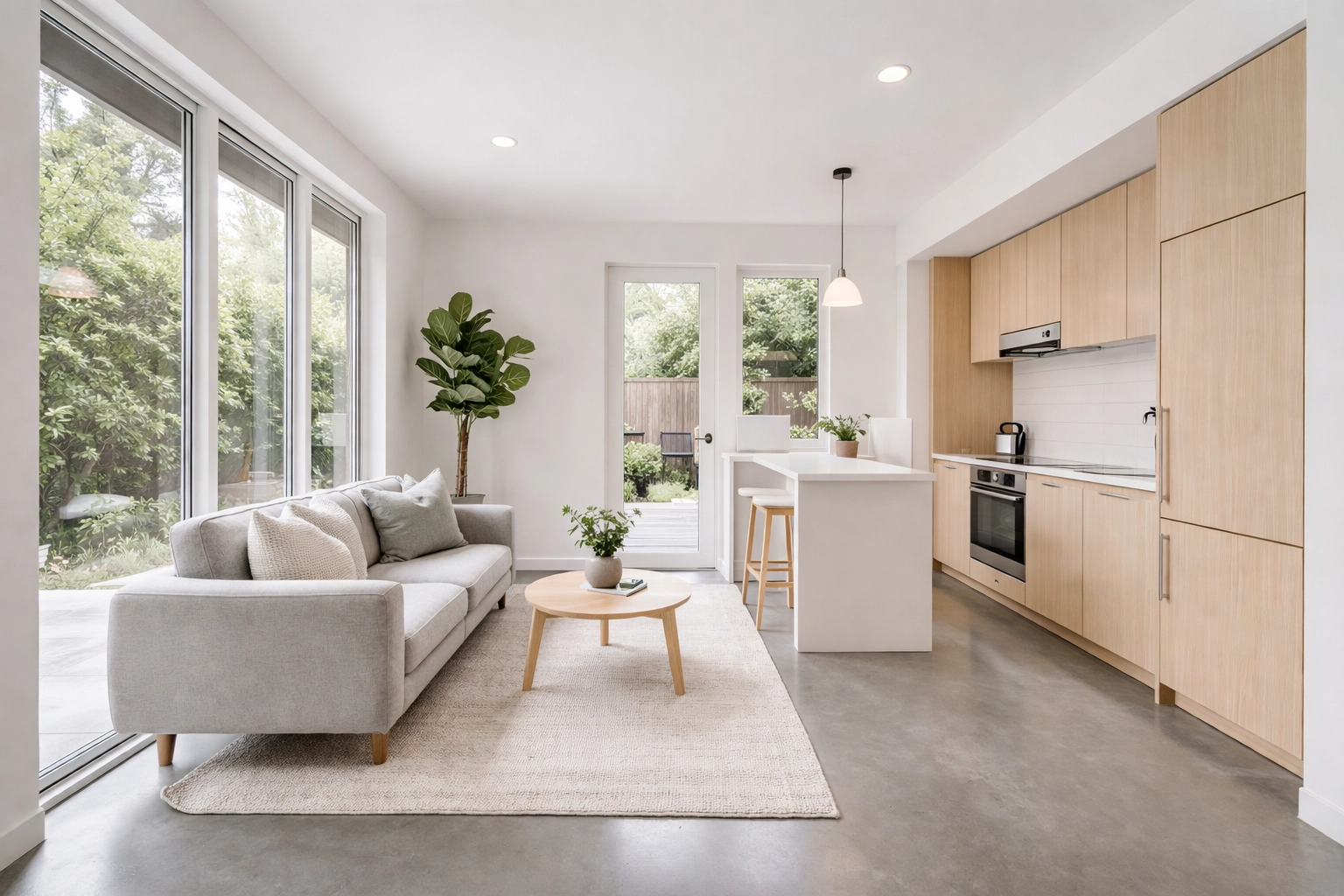
Off-site construction methods: particularly prefab ADUs: represent a mature, viable option for Sacramento homeowners in 2026. These approaches offer genuine advantages in timeline, site disruption, and often sustainability. 3D printing technology, while still emerging for complete residential units, shows promise for specific applications and will likely play an increasing role in local construction over the coming years.
That said, off-site construction isn't automatically the best choice for every project. Site conditions, design preferences, and budget all factor into the decision. The best approach is to evaluate both options against your specific circumstances.
If you're considering an ADU project and want to explore whether prefab or traditional construction makes more sense for your property, Rimant Construction can help you weigh the options and develop a plan that fits your goals.


Comments
Post a Comment