ADU vs Home Addition
ADU vs Home Addition: Which Is Better For Your Growing Family in 2026?

Growing families face a common dilemma: when your current home feels cramped but you love your neighborhood, location, and mortgage rate, do you build an Accessory Dwelling Unit (ADU) or add onto your existing home? Both options can solve space problems, but they serve different needs and come with distinct advantages and challenges.
In 2026, California's housing market continues to favor expansion over relocation, making both ADUs and home additions increasingly popular choices for Sacramento-area families. Understanding the key differences between these options will help you make the best decision for your family's specific situation.
Understanding Your Options
Home Additions
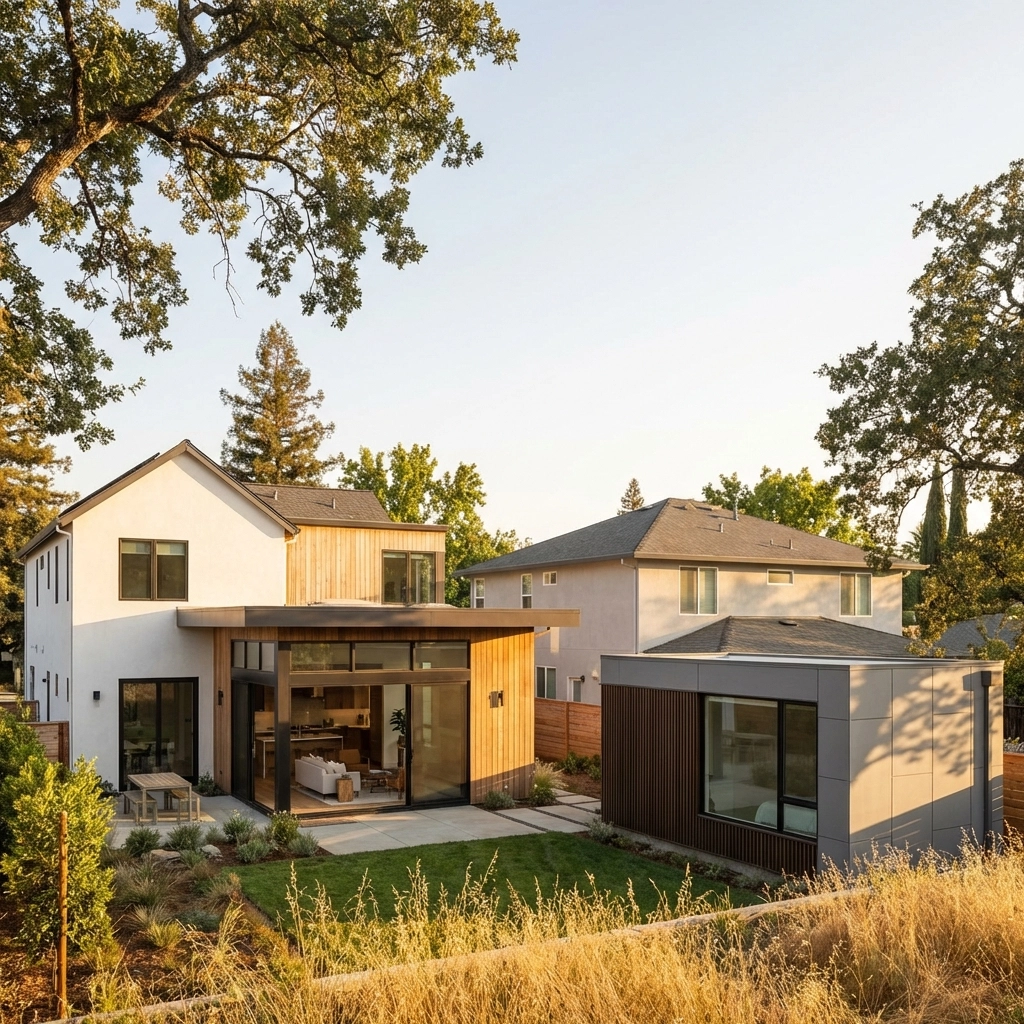
A home addition expands your existing house by adding new rooms or extending current spaces. This can include second-story additions, bump-outs, or entirely new wings that seamlessly integrate with your home's existing structure. The addition shares utilities, HVAC systems, and typically matches your home's architectural style.
Accessory Dwelling Units (ADUs)
ADUs are separate living spaces built on the same property as your primary residence. They include their own kitchen, bathroom, and sleeping area, functioning as completely independent living units. ADUs can be detached structures, garage conversions, or basement apartments.
Cost Comparison: Initial Investment and Long-Term Value
Home Addition Costs
Home additions typically range from $80,000 to $200,000, depending on size, complexity, and materials. The cost per square foot generally runs $150 to $400, with luxury finishes pushing prices higher. Since additions share existing utilities and structural systems, they often provide more square footage per dollar invested.
Key cost factors include:
- Foundation work and structural modifications
- Extending existing HVAC and plumbing systems
- Matching exterior materials and roofing
- Permit fees (typically lower than ADU permits)
ADU Investment
ADUs require a larger upfront investment, ranging from $100,000 to $300,000. Garage conversions and basement ADUs fall on the lower end, while detached ADUs with full utilities command premium pricing. The higher cost reflects the need for separate utility connections and independent systems.
ADU cost considerations:
- Separate electrical panel and utility meters
- Independent HVAC system
- Full kitchen and bathroom installation
- Higher permit and impact fees
- Potential utility connection charges
Return on Investment
Home additions typically increase property value by 50-80% of the construction cost, with the percentage depending on local market conditions and the type of addition. ADUs add an average of 35% to property value while offering rental income potential of $1,500 to $3,000 monthly in Sacramento area markets.
Space and Functionality Analysis
Living Space Integration
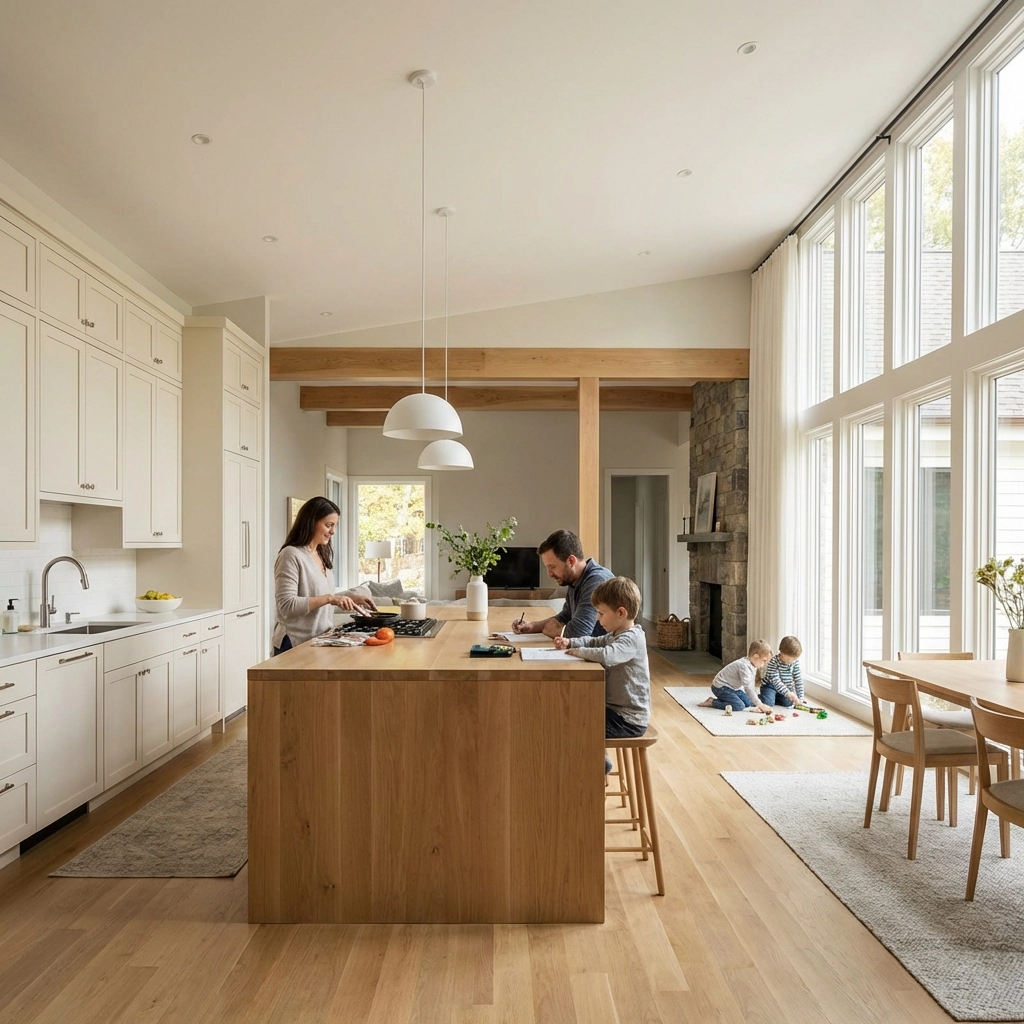
Home additions excel at creating unified family living space. Children remain close to parents, families share common areas naturally, and the expanded space feels like a cohesive home rather than separate units. This integration particularly benefits families with young children who require supervision and families who value togetherness.
Additions allow for custom configurations that serve growing families:
- Expanded kitchens for large family meals
- Additional bedrooms adjacent to existing ones
- Home offices that connect to main living areas
- Playrooms accessible from family rooms
ADU Space Considerations
ADUs create intentional separation, which can benefit families in specific situations. Teenage children gain independence while remaining on the property, elderly parents maintain privacy while staying close to family, or the space serves as a dedicated work-from-home office completely separate from family noise.
However, ADU size restrictions limit functionality for large families. Most California municipalities cap ADUs at 1,200 square feet, which may not accommodate families needing significant additional space.

Construction Timeline and Disruption
Home Addition Process
Home additions typically take 4-8 months to complete, depending on complexity. The construction process involves:
- Structural modifications to existing walls
- Temporary relocation of utilities
- Dust, noise, and workers throughout the main house
- Limited access to certain areas during construction
Families often struggle with the disruption, particularly when construction affects kitchens or main living areas. However, you maintain access to most of your home throughout the process.
ADU Construction
ADU construction timelines vary dramatically by type:
- Garage conversions: 8-12 weeks
- Basement ADUs: 12-16 weeks
- Detached ADUs: 16-24 weeks
ADU construction typically causes less disruption to daily family life since work occurs separately from your main living space. Families can maintain normal routines while construction progresses independently.
Family Dynamics and Lifestyle Considerations
Growing Family Needs
Families with young children often benefit more from home additions. The seamless integration keeps family members connected while providing necessary space. Parents can supervise children more easily, and the expanded space accommodates family gatherings, homework sessions, and shared activities.
Home additions work particularly well for:
- Families planning to have more children
- Single-family households needing more communal space
- Families who frequently host extended family
- Households where parents work from home but want to remain accessible
Multi-Generational Considerations
ADUs excel when families need semi-independent living arrangements. Adult children launching careers, aging parents requiring assistance but wanting privacy, or families considering rental income find ADUs more suitable.
ADU benefits for complex family situations:
- Privacy for different generations
- Rental income potential during empty periods
- Separate entrances reducing foot traffic
- Independent utility control and billing
Regulatory and Zoning Factors
Sacramento Area Regulations
Local zoning laws significantly impact both options. Sacramento County and surrounding municipalities generally support ADU development through streamlined permitting processes, while home addition requirements vary by neighborhood and existing home size.
Key regulatory considerations:
- Setback requirements for additions vs. ADUs
- Height restrictions and lot coverage limits
- Parking requirements (often waived for ADUs)
- Utility connection fees and impact charges
Permit Process Differences
Home addition permits typically face fewer regulatory hurdles but may require more extensive structural review. ADU permits benefit from state-mandated streamlining but involve additional impact fees and utility considerations.
Making the Decision: Which Option Suits Your Family
Choose a Home Addition If:
- Your family values unified living space and togetherness
- You need significant additional square footage (over 1,200 sq ft)
- Budget constraints favor the lower-cost option
- Local zoning restricts ADU development
- You plan to stay in the home long-term without rental income needs
Choose an ADU If:
- Your family includes multiple generations requiring privacy
- You want rental income potential
- Construction disruption to daily life is a primary concern
- You need flexible space that can serve multiple purposes over time
- Local regulations favor ADU development with expedited permitting
Professional Planning Recommendations
Both options require careful planning and experienced contractors familiar with local regulations. ADUs involve more complex utility work and regulatory compliance, while home additions require structural expertise and integration planning.
Working with contractors experienced in Sacramento-area construction ensures proper permitting, code compliance, and quality workmanship. Professional general contractors can help evaluate your specific property and family needs to recommend the most appropriate solution.
The decision between ADU and home addition ultimately depends on your family's specific circumstances, budget, and long-term goals. Consider your family dynamics, financial situation, and local regulations carefully before committing to either option. Both can successfully solve space problems for growing families when properly planned and executed.


Comments
Post a Comment