Home Hardening 101: A Beginner's Guide to Fire-Resistant Upgrades in Tahoe and Truckee
Home Hardening 101: A Beginner's Guide to Fire-Resistant Upgrades in Tahoe and Truckee
![[HERO] Home Hardening 101: A Beginner's Guide to Fire-Resistant Upgrades in Tahoe and Truckee](https://cdn.marblism.com/rzF8OJqZ_oN.webp)
Living in Tahoe or Truckee means you're surrounded by stunning mountain views and dense forests. It also means your home sits in the wildland-urban interface: the zone where wildfire risk is highest. Home hardening is the process of upgrading your home with fire-resistant materials and techniques that help it withstand embers, flames, and radiant heat. It's not about making your home fireproof (nothing is truly fireproof), but about giving it the best fighting chance during a wildfire.
In 2026, with fire seasons starting earlier and lasting longer, these upgrades aren't optional: they're essential. The good news? Most home hardening projects are straightforward, and many qualify for rebates through local fire districts.
Why Home Hardening Works
Most homes don't burn because flames reach them directly. They ignite from embers: those wind-blown pieces of burning debris that can travel over a mile ahead of a fire. Embers land on roofs, blow into vents, collect in gutters, and nestle against siding. Within minutes, they can ignite combustible materials and start a structure fire.
Home hardening focuses on eliminating these vulnerabilities. By replacing combustible components with fire-resistant alternatives, you create a barrier that embers and flames can't easily penetrate. Combined with proper defensible space, home hardening significantly increases your home's survival rate.
Start With Zone Zero
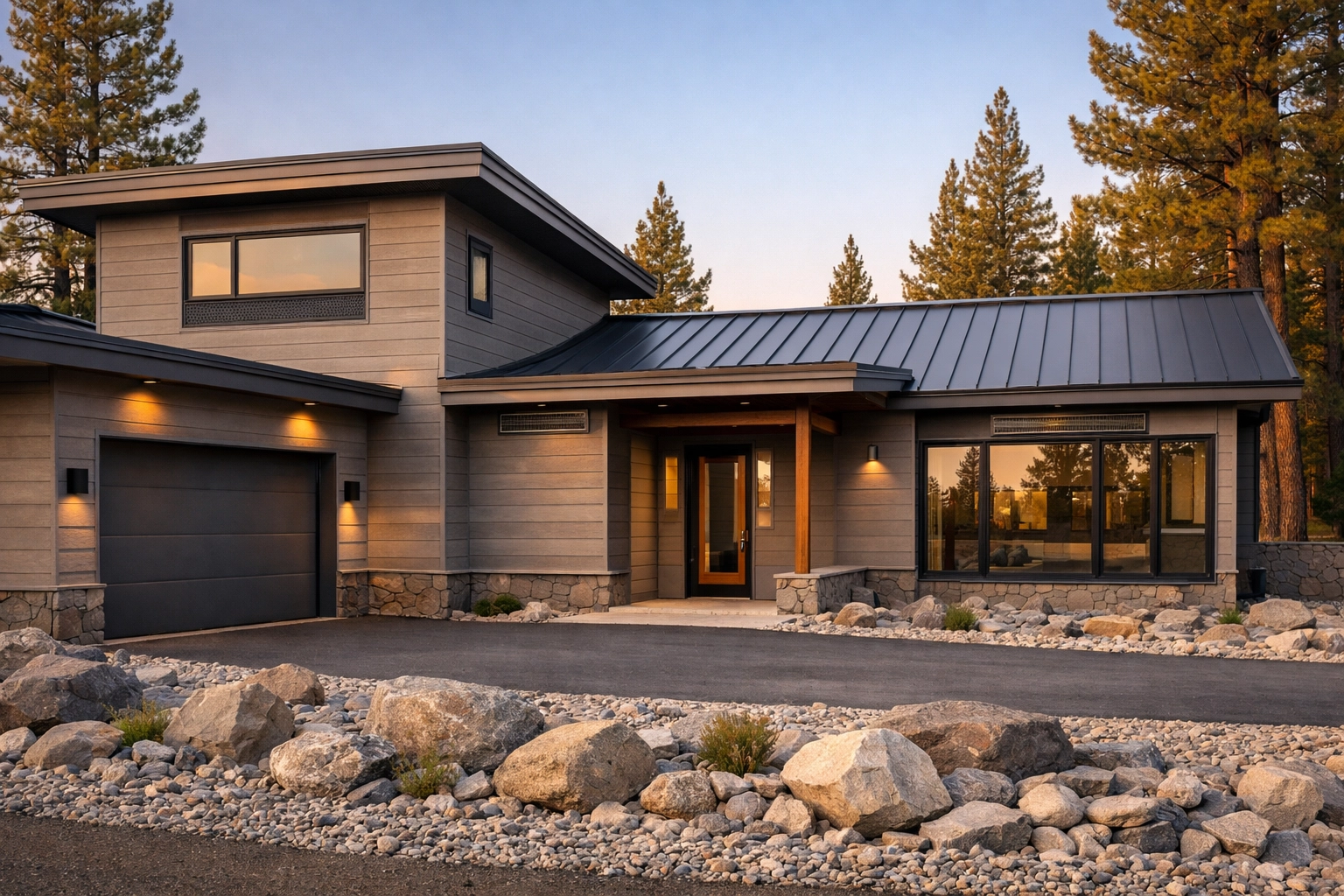
Before any upgrades, address Zone Zero: the first five feet immediately around your home. This is the most critical area for ember protection.
Remove these items from Zone Zero:
- Pine needles, leaves, and debris on roofs, in gutters, and on the ground
- Firewood, lumber, or combustible storage
- Combustible mulch (replace with gravel or rock)
- Dead plants and vegetation
- Tree branches touching or overhanging the roof
- Any flammable materials stored against the house
Zone Zero maintenance is ongoing. Set a schedule to clear debris monthly during fire season, especially after windy days when pine needles and leaves accumulate quickly.
Roofing: Your First Line of Defense
Your roof is the most vulnerable part of your home. Embers love to land on roofs and find their way through gaps or ignite combustible materials.
Fire-resistant roofing options:
- Class A asphalt composition shingles
- Metal roofing (steel, aluminum, or copper)
- Clay or concrete tile
- Slate
Class A is the highest fire-resistance rating. If your roof is older or made of wood shakes, replacement should be your top priority. Metal roofing performs exceptionally well in fire conditions and also handles snow loads effectively: a bonus for mountain homes.
Equally important: keep your roof clear of debris. Pine needles in roof valleys or trapped behind chimneys can ignite from a single ember.
Siding and Exterior Walls
Traditional wood siding is beautiful but combustible. Fire-resistant siding materials provide protection without sacrificing curb appeal.
Recommended siding materials:
- Fiber cement (like James Hardie)
- Stucco
- Metal panels
- Fire-retardant treated wood
- Engineered products like LP FlameBlock
Fiber cement siding has become the standard for fire-resistant construction in mountain communities. It's durable, available in various styles that mimic wood, and performs well in freeze-thaw cycles. Products like LP FlameBlock are specifically engineered to resist ignition and high temperatures, offering an extra layer of protection.
If you're building new or doing a major remodel, extend fire-resistant materials from the foundation to the roofline with no gaps.
Vents: The Hidden Vulnerability
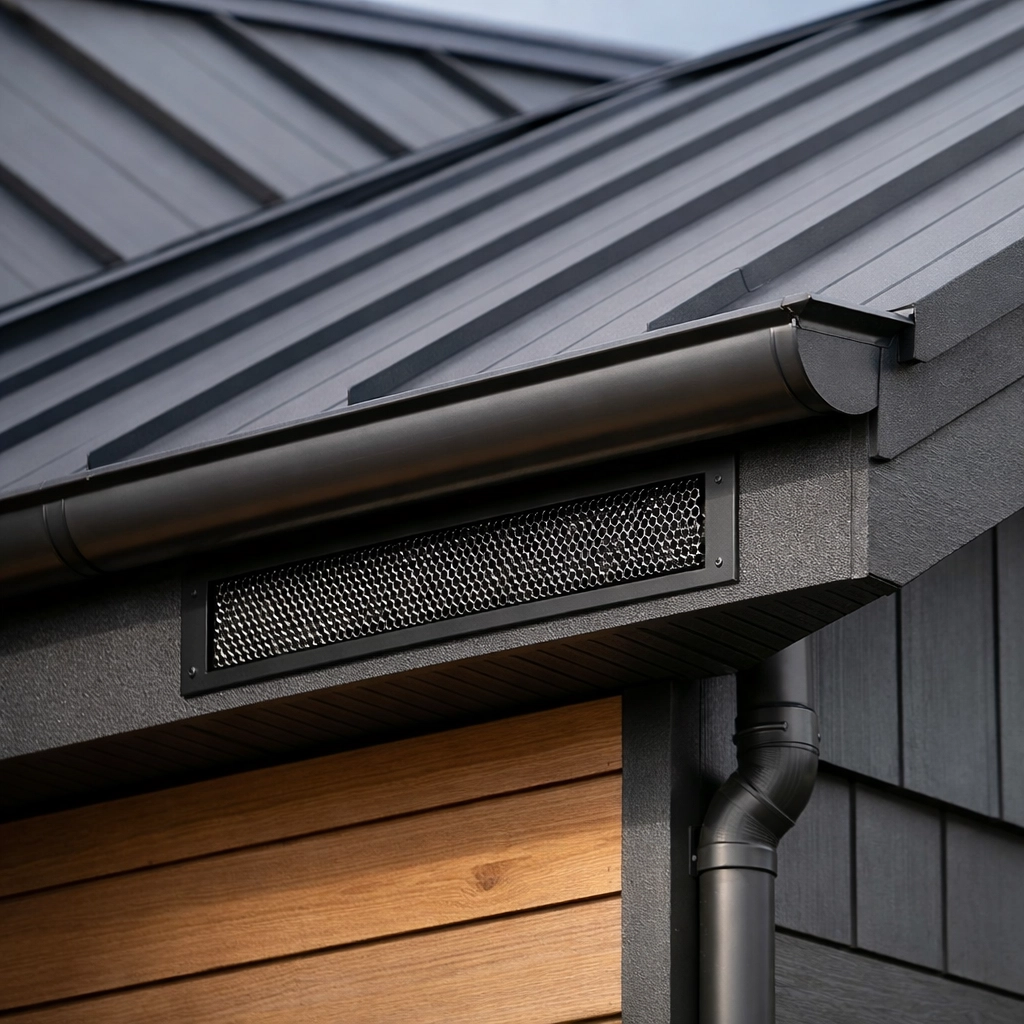
Attic vents, crawlspace vents, and foundation vents are entry points for embers. Standard mesh screens have openings too large to stop embers from entering your home.
Vent protection options:
- Install 1/8-inch metal mesh over existing vents
- Replace vents with ember-resistant models (like Vulcan Vents)
- Use intumescent vents that seal shut when exposed to heat
Ember-resistant vents are designed with smaller openings or special baffles that prevent ember entry while still allowing ventilation. This upgrade is relatively inexpensive but makes a significant difference in your home's fire resistance.
Don't forget dryer vents, bathroom exhaust vents, and range hood vents: all need the same protection.
Decks and Outdoor Structures
Wooden decks attached to your home create a direct path for fire to reach your siding. If the deck ignites, your house is next.
Deck hardening strategies:
- Use composite or metal decking materials for new construction
- For existing decks within 10 feet of the house, replace boards with non-combustible materials
- Clear all combustible materials from underneath decks
- Box in or screen the underside of elevated decks
- Replace the first 5 feet of deck boards closest to the house with fire-resistant materials if full replacement isn't feasible
Composite decking has improved significantly in recent years. Modern products resist fading, handle temperature extremes, and many have enhanced fire resistance. While composite materials can still burn under extreme heat, they perform better than untreated wood.
Windows and Doors
Single-pane windows can crack or fail when exposed to radiant heat, allowing embers and flames inside. Multi-pane windows with tempered glass perform much better.
If you're replacing windows, choose:
- Dual-pane or triple-pane glass
- Tempered or fire-rated glass
- Minimal exposed wood frames (aluminum or vinyl-clad preferred)
Doors should be solid core or metal. If you have a wooden door, ensure it's fire-rated or replace it with a steel door with a fire-resistant rating.
Gutters and Downspouts
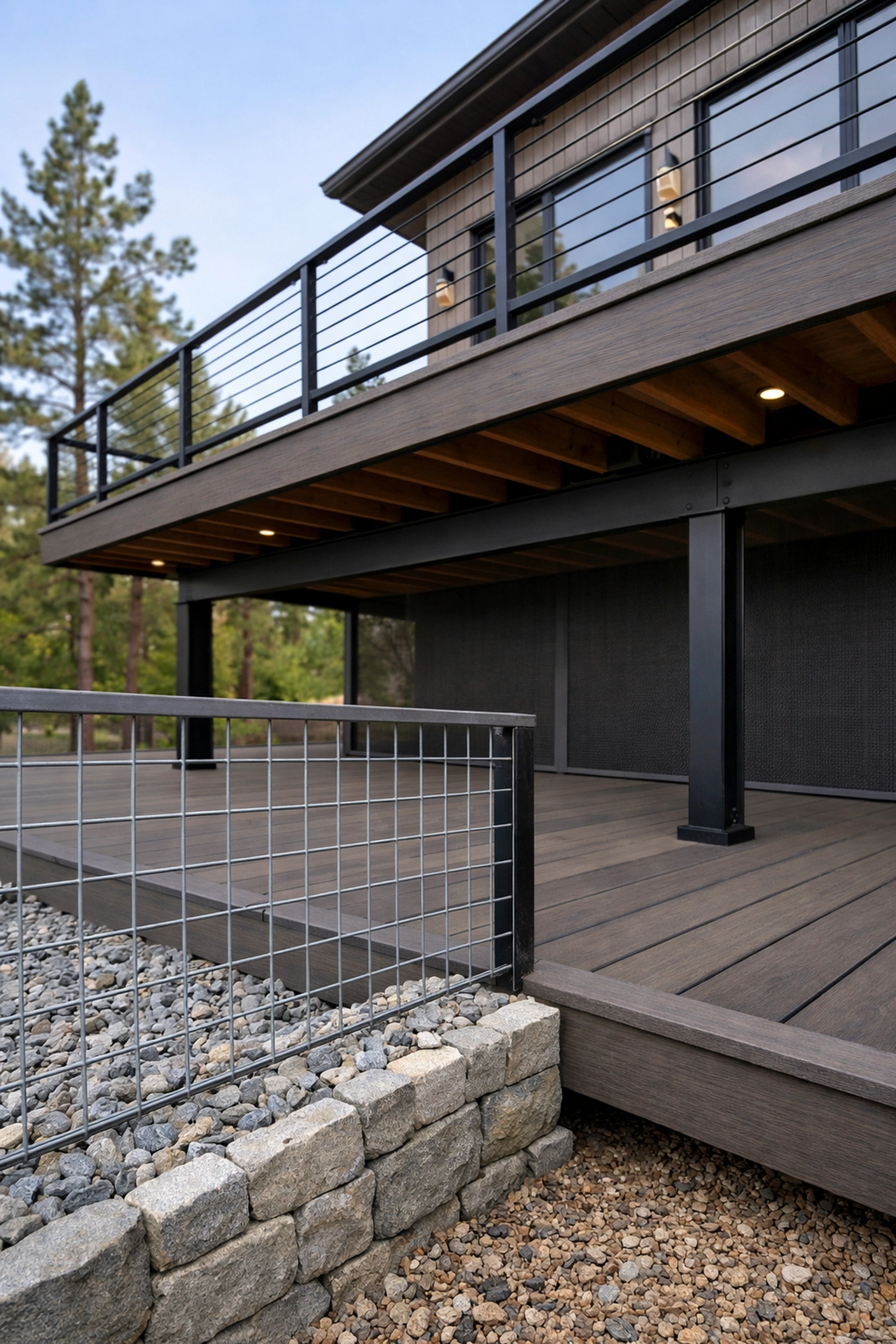
Gutters filled with pine needles and leaves are ember traps. A single ember can ignite the debris, which then burns against your roof edge and fascia boards.
Gutter solutions:
- Install gutter guards or covers to prevent debris accumulation
- Use metal gutters instead of vinyl
- Schedule regular cleaning (at least quarterly in forested areas)
- Consider eliminating gutters entirely if your roof design allows and drainage can be managed otherwise
Metal gutters won't burn, but the debris inside them will. Gutter guards reduce maintenance but don't eliminate it: you'll still need to check them periodically.
Fencing
Wooden fences attached to your home create a fuel pathway directly to your structure. During the Caldor Fire and other recent wildfires, many homes burned because fences ignited first.
Fencing recommendations:
- Create a 5-foot gap between your house and combustible fencing
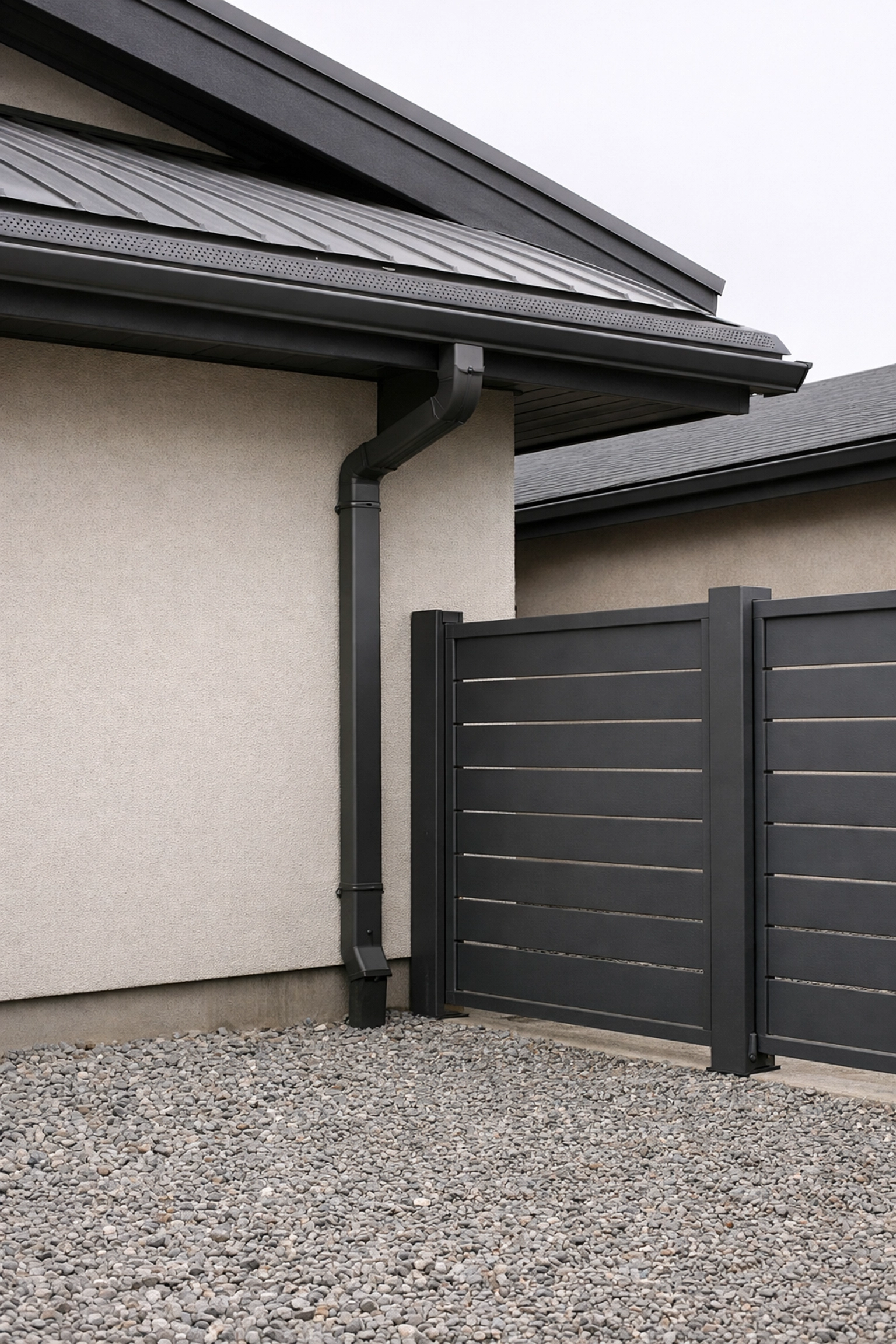
- Replace the first 5 feet with non-combustible materials (metal, hog wire, or decorative metal panels)
- Use metal posts instead of wood posts near the house
- Consider metal fencing options that complement your home's style
This doesn't mean removing your entire fence. Just break the connection between combustible fencing and your home's exterior walls.
Chimney and Stovepipe Protection
Wood stoves and fireplaces are common in mountain homes, but they need proper screening to prevent embers from escaping and starting spot fires.
Install a spark arrestor on your chimney: a metal screen cap with openings between 3/8-inch and 1/2-inch. This size prevents embers from escaping while still allowing proper draft for your fireplace or stove.
Financial Help: Truckee Fire Rebate Program
The Truckee Fire Protection District offers rebates covering up to 50% of home hardening costs, with a maximum rebate of $2,000 for most projects.
Eligible expenses include:
- Materials affixed to your structure (siding, vents, roofing)
- Hardscaping materials for Zone Zero
- Fire-retardant tarps
- Labor for installing home hardening materials
Rebate caps:
- Most upgrades: $500 per category
- Total maximum: $2,000
Requirements:
- Property must pass a defensible space inspection
- Zone Zero issues must be resolved before applying
- Only existing, permitted structures qualify (no new construction)
- Work must be completed after August 14, 2023
Not eligible: tool rentals, equipment purchases, or work completed before the eligibility date.
Getting Started With Home Hardening
Prioritize your upgrades based on vulnerability and budget. If you can only tackle one or two projects this year, start with the highest-impact areas.
Priority order:
- Clear Zone Zero (lowest cost, immediate impact)
- Roof replacement (if needed)
- Vent protection (affordable, high impact)
- Clear and maintain gutters
- Deck modifications (if you have a deck attached to the house)
- Siding upgrades (typically the largest investment)
For a defensible space inspection through Truckee Fire Protection District, request an appointment online. Inspections are free and educational: inspectors will walk your property and provide specific recommendations based on your home's vulnerabilities.
After your inspection, you'll receive a report with actionable steps. Complete Zone Zero cleanup first, then move to structural upgrades. Keep all receipts and take before-and-after photos for rebate applications.
Working With Experienced Contractors
Home hardening requires knowledge of both fire-safe construction techniques and local building codes. At Rimant Construction, we've specialized in these upgrades for Tahoe and Truckee homeowners. We understand which materials perform best in mountain conditions, how to maintain your home's aesthetic while improving fire resistance, and how to navigate permit requirements for Placer County, Nevada County, and the Town of Truckee.
From installing ember-resistant vents to full siding replacement with fiber cement or LP FlameBlock, we handle home hardening projects of all sizes. We'll work with you to prioritize upgrades within your budget and help you access available rebates.
The Bottom Line
Home hardening isn't about creating a fortress: it's about giving your home a realistic chance of survival during a wildfire. Each upgrade reduces vulnerability. Combined with proper defensible space, these improvements dramatically increase the odds that your home will still be standing after a fire passes through.
Start with Zone Zero today. Schedule your inspection. Then tackle upgrades systematically. The investment you make now protects not just your home, but your family's future in the mountains.
Ready to make your Tahoe or Truckee home more fire-resistant? Contact Rimant Construction to discuss your home hardening project and get a detailed assessment of your property's needs.


Comments
Post a Comment