How to Blend Indoor-Outdoor Living Spaces
How to Blend Indoor-Outdoor Living Spaces: 5 Steps for Seamless California Home Design
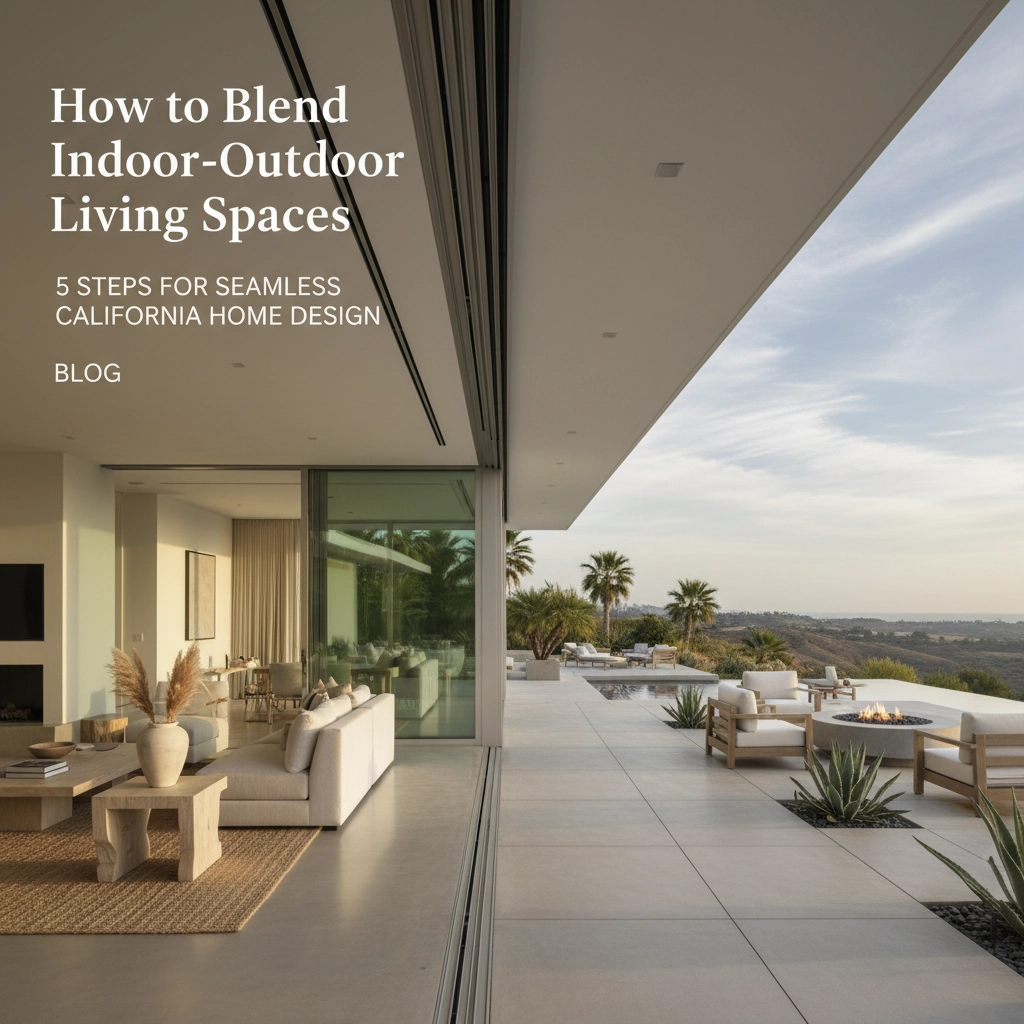
California living is synonymous with sunshine, natural beauty, and a lifestyle that flows effortlessly between indoor comfort and outdoor relaxation. The most stunning and functional homes in this region are those that unite their interiors with the outdoors, erasing boundaries and allowing each space to enhance the other. Blending indoor and outdoor living takes more than placing patio furniture by a sliding door. It requires thoughtful design, attention to materials, integration of structure, and a clear vision for how the spaces will be used.
This guide breaks down five practical steps: each built on proven design principles and tailored for California’s unique climate, regulations, and homeowner expectations.
Step 1: Unify Materials and Flooring
A cohesive palette of materials is foundational in creating seamless transitions.
Consistency Across Thresholds
- Use the same or visually compatible flooring materials both inside and out.
- Extending hardwood, tile, polished concrete, or natural stone flooring from a living room to a patio visually lengthens and connects the spaces.
- Select finishes designed for durability in both climates (non-slip porcelain tile or sealed concrete are popular choices).
- Level transitions are essential.
- A flush surface between interior and exterior is safer and eliminates the “step down” effect that visually divides spaces.
- Proper grading and underlayment are required to prevent water issues.
Pros
- ✔️ Visually extends your living area
- ✔️ Easier movement between spaces (especially for accessibility)
- ✔️ Expands usable square footage perception
Cons
- ❌ Some materials cost more or require premium installation for continued indoor-outdoor use
- ❌ Seamless floors demand high attention to drainage and waterproofing, especially in rainy or humid areas
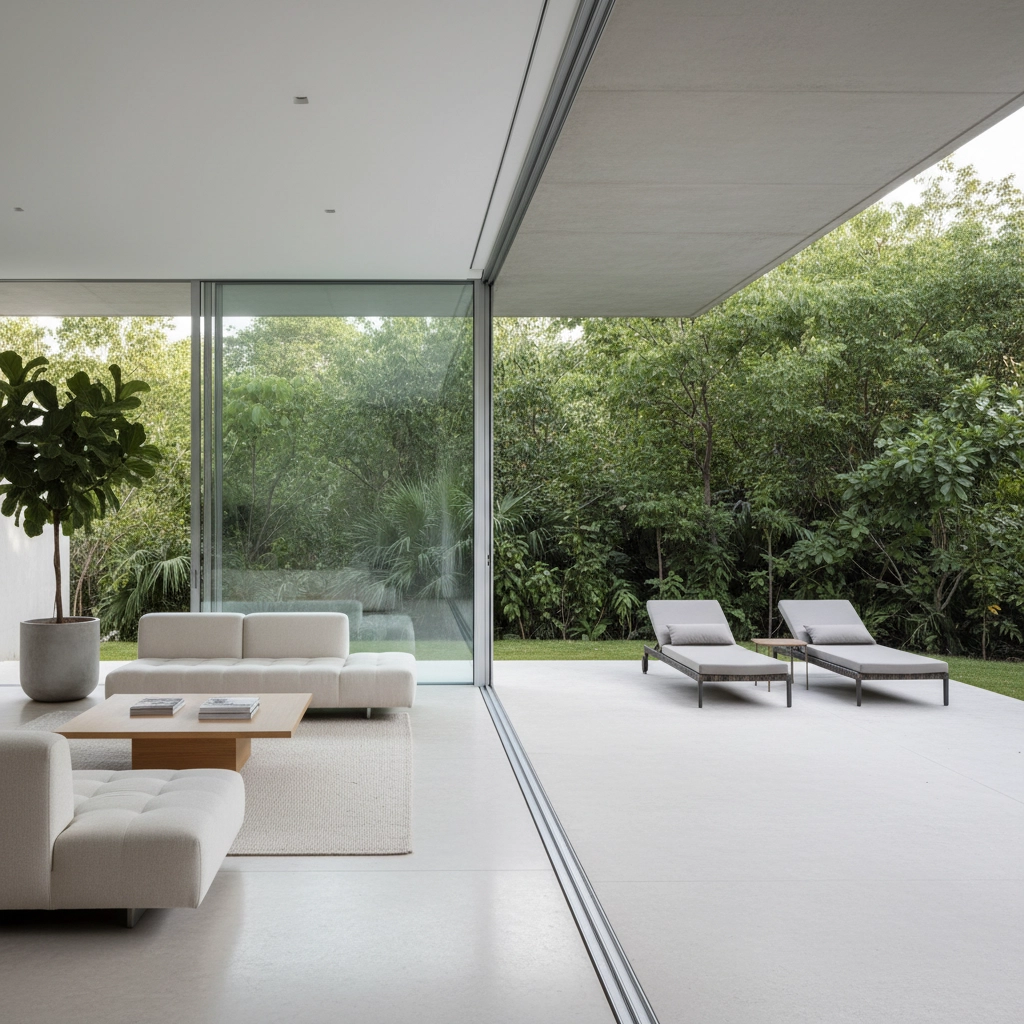
Step 2: Incorporate Flexible Glass Doors and Openings
The heart of a California indoor-outdoor space is transparency and flexibility.
Opening Up the Wall
- Large sliding, folding, or pocket glass doors are ideal.
- These doors retract almost entirely, removing the physical wall between inside and outside.
- Glass options maximize daylight even when closed and keep views unobstructed.
- Choose door systems designed for frequent use and California climate.
- Aluminum or vinyl frames with thermal breaks stand up well over time.
- Dual-pane, low-E glass helps maintain energy efficiency.
Pros
- ✔️ Dramatic, modern effect instantly
- ✔️ Maximizes natural light and outdoor visibility
- ✔️ Enables optimal airflow for both health and comfort
Cons
- ❌ High-quality systems start at a premium price point
- ❌ Larger openings may require structural modifications
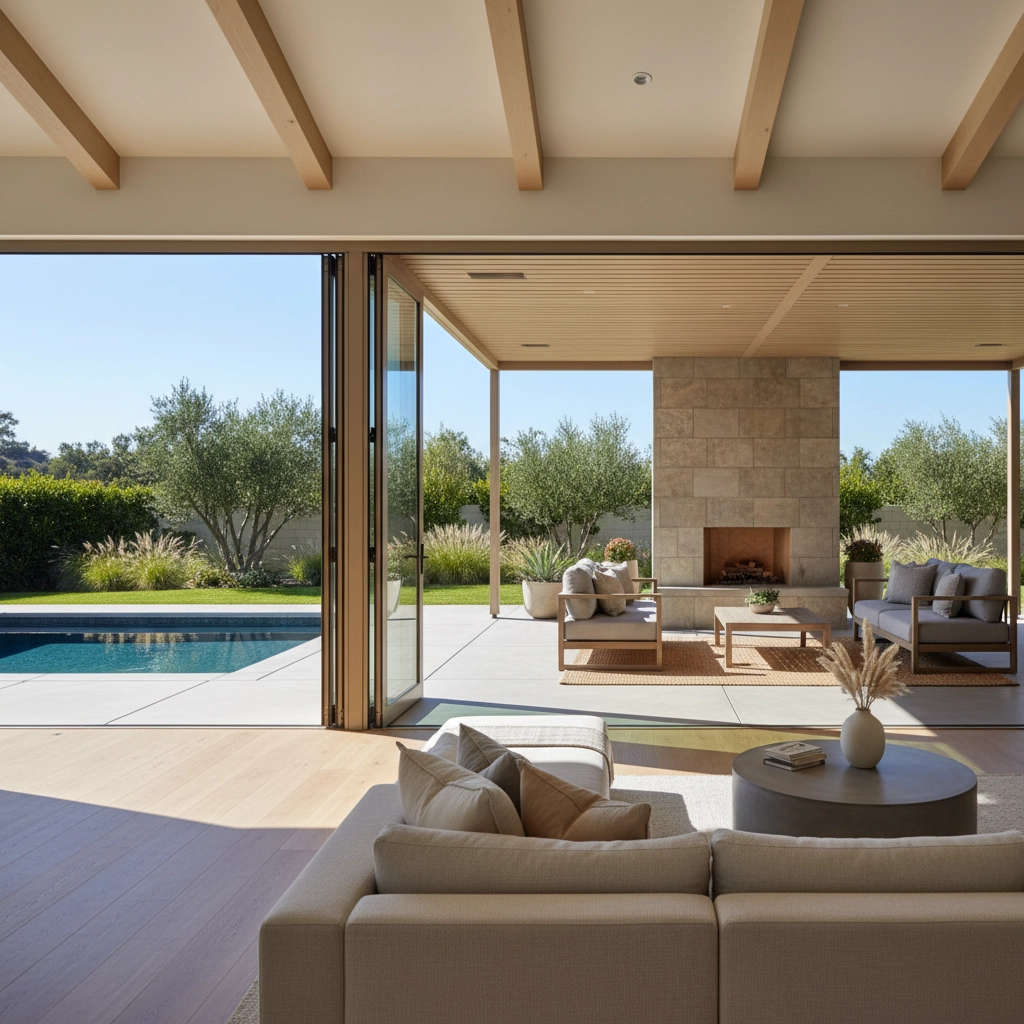
Step 3: Align Functional Spaces
Functionality matters as much as aesthetics in seamless design.
Think About How Spaces Connect
- Zone outdoor spaces to mirror interior uses.
- Position an outdoor lounge off your living room, or place a dining table just beyond your indoor kitchen.
- Outdoor cooking stations (pizza ovens, grills) can extend your kitchen’s functionality.
- Carry utility lines and lighting across both spaces.
- WiFi, sound, and smart home controls aren’t just for inside use anymore.
- Consider outdoor entertainment systems and speakers for a true extension of the living area.
Pros
- ✔️ Makes transition natural in daily routines
- ✔️ Supports entertaining, child supervision, or shared family spaces
Cons
- ❌ Requires careful planning for plumbing, gas, or electrical connections
- ❌ Local codes might limit appliances or fire features outdoors
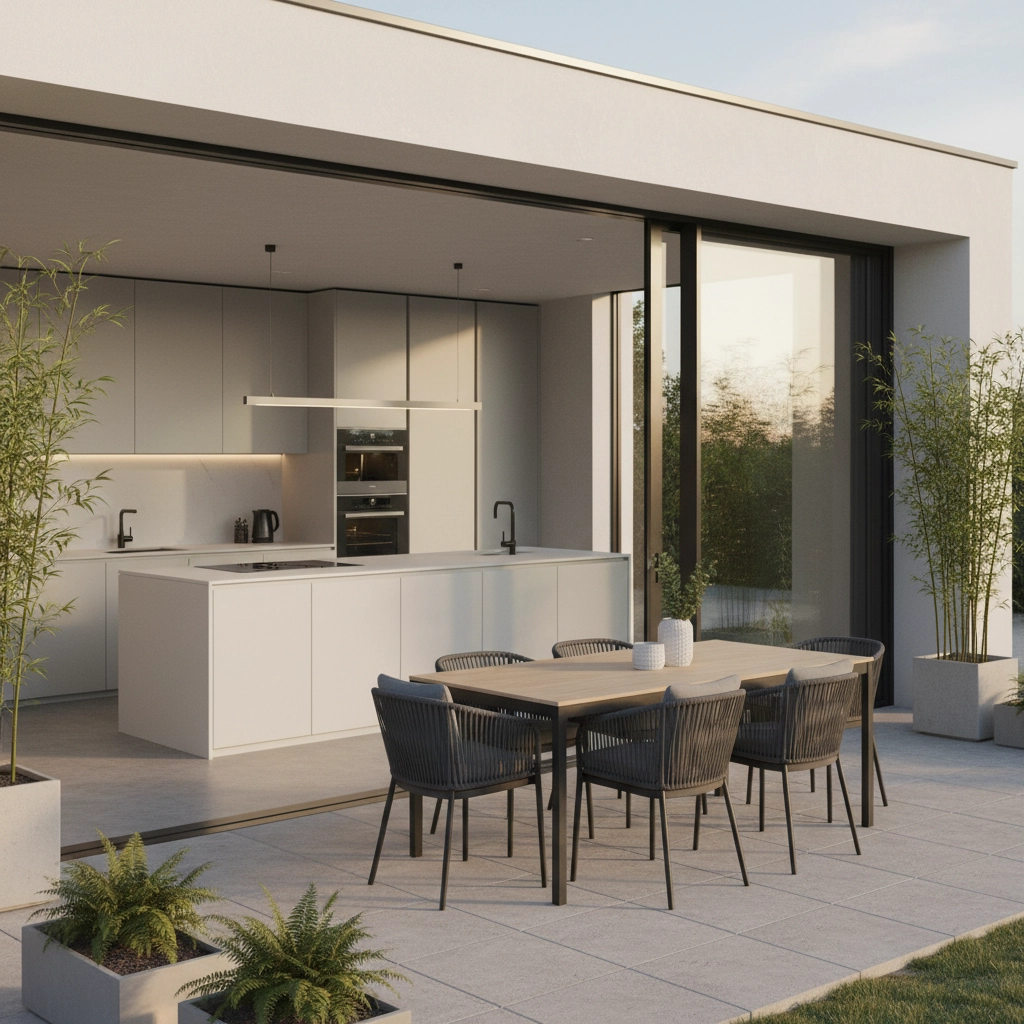
Step 4: Match Design Elements Consistently
Visual unity is achieved through repetition and coordination, not just with flooring but across all design choices.
Harmonize Furniture, Colors, and Lighting
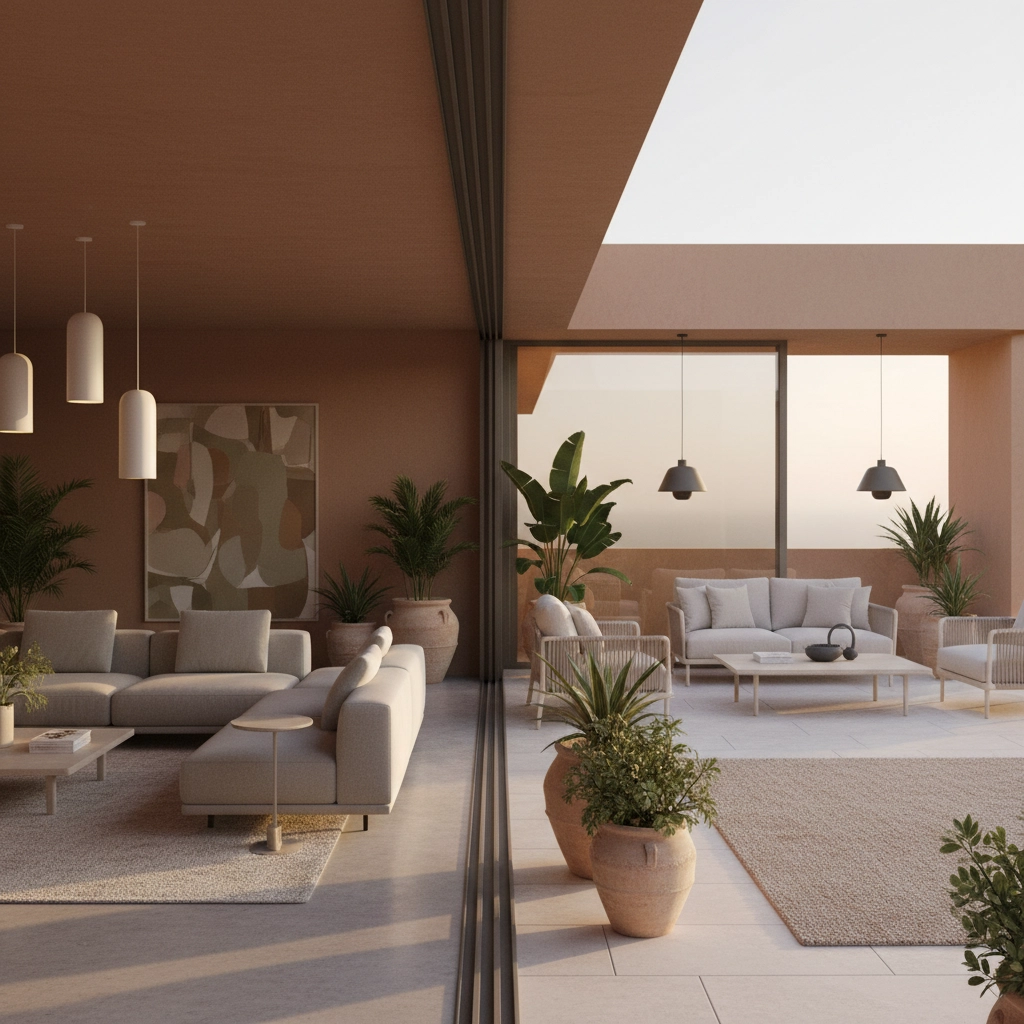
- Replicate or complement interior color palettes outdoors.
- Neutral or earth tones often work well with California’s lighting and natural surroundings.
- Select outdoor furnishings that echo indoor styles.
- Comfort levels, seat heights, and silhouettes should complement, not contrast.
- Install compatible lighting fixtures, both for looks and nighttime usability.
- Wall sconces, pendants, or string lights should have similar color temperature and brightness.
- Layer in plants and soft landscaping.
- Echo your interior’s greenery for a botanical flow.
Pros
- ✔️ Strengthens the indoor-outdoor connection visually
- ✔️ Helps both spaces feel curated and intentional
Cons
- ❌ Outdoor fabrics and finishes may cost more but are necessary for durability
- ❌ Some colors or materials may fade faster outdoors; choose UV-stable options
Step 5: Add Transitional Roof and Shade Structures
The right roof or pavilion links spaces, controlling sun and weather and making your outdoor zones practical year-round.
Roof Extensions, Pergolas, and California Rooms
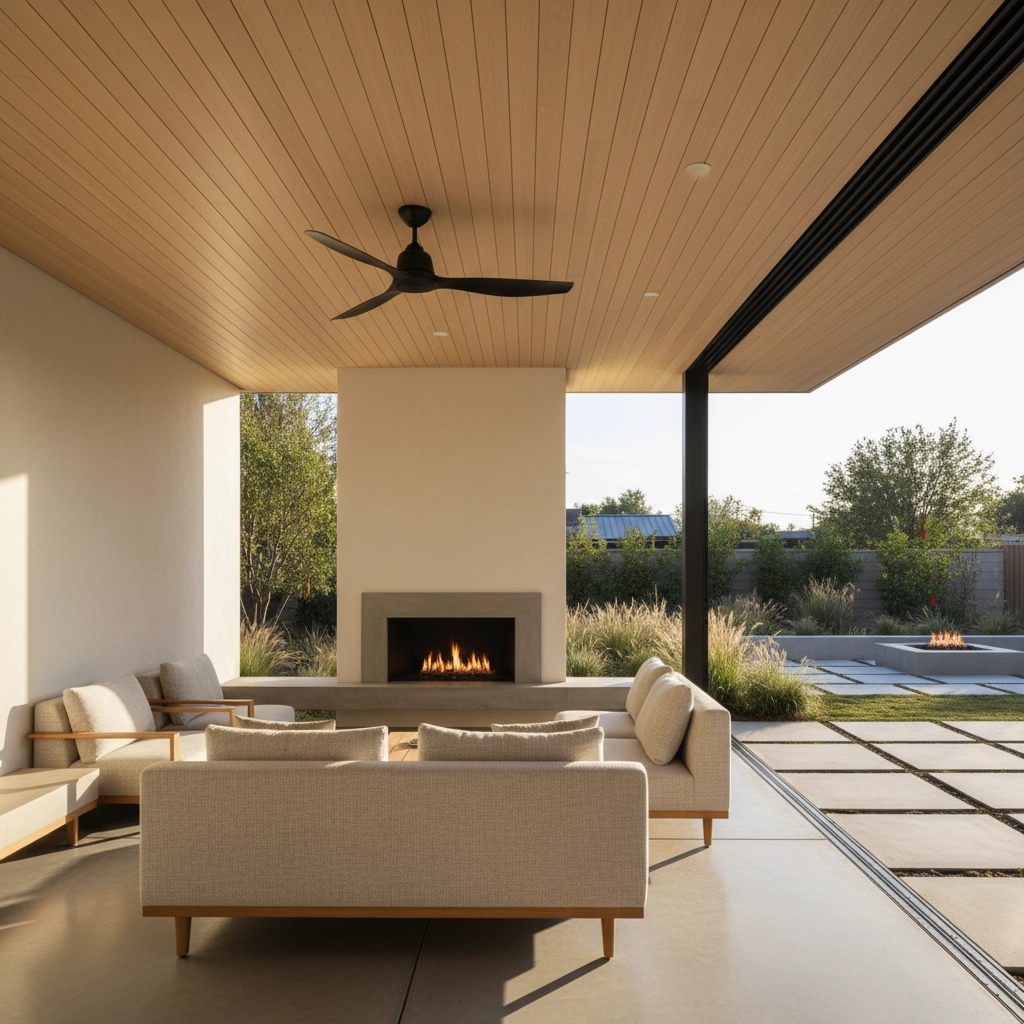
- Build a partial roof, louvered pergola, or “California Room” (part enclosed, part open-air).
- These features provide shade, outdoor fans, and even fireplaces for coziness during cooler evenings.
- Transitional covers help blur the line between “inside” and “outside.”
- Integrate gutters and drainage thoughtfully.
- It’s critical for protecting furniture, foundations, and people from the elements.
Pros
- ✔️ Usable outdoor space regardless of season or weather
- ✔️ Increases home value and living enjoyment
- ✔️ California Rooms and covered patios are especially attractive in property listings
Cons
- ❌ May require permits and compliance with setback or height restrictions
- ❌ Construction costs vary widely based on size, materials, and features
Additional Considerations for California Homes
Climate and Maintenance
- Coastal zones: Corrosion-resistant materials are a must due to salt air.
- Inland or wildfire-prone areas: Ensure roofs and finishes meet fire resistance standards; avoid highly flammable plants near structures.
- Water use: Opt for drought-resistant landscaping and efficient irrigation.
Regulatory Hurdles
- Check local permitting rules, especially for structural roof changes, plumbing, or permanent outdoor kitchens.
- Homeowners’ associations sometimes restrict certain design choices or colors.
For inspiration and real-world examples, check out the Rimant Construction Gallery.
When Is a Seamless Indoor-Outdoor Design Right for You?
Choose this approach if:
- You value open entertainment spaces and natural light.
- Your property layout allows for level transitions and large door openings.
- You’re willing to invest in durable, weather-proof materials and professional installation.
You may need to reconsider if:
- Your budget is limited (these upgrades can be significant upfront).
- Your lot’s orientation or permits preclude the necessary changes.
- Noise, privacy, or climate control are major concerns (though many can be mitigated with the right planning).
For personalized advice, construction costs, or design inspiration specific to your area, visit Rimant Construction or browse our latest blog posts.
Thinking of launching your own indoor-outdoor project in California? Start with a clear plan, consider these five critical steps, and work with a contractor experienced in seamless transitions: your home (and future self) will thank you.
Interested in speaking about your project? Contact us to start the process
916-690-4324
martin@rimantconstruction.com
rimantconstruction.com


Comments
Post a Comment