Are Traditional Home Remodels Dead?
Are Traditional Home Remodels Dead? Why Smart Homeowners Are Choosing Whole-House Integration Instead
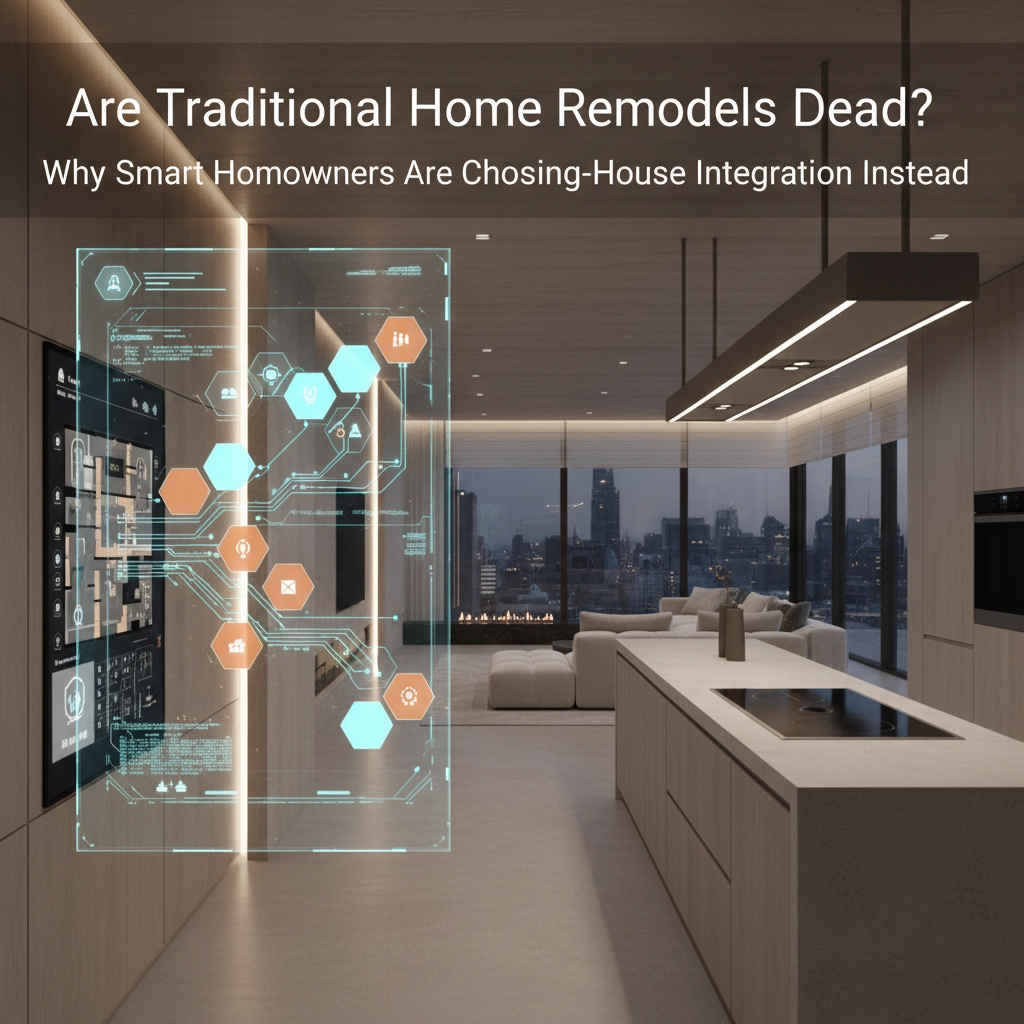
Traditional home remodels aren't completely dead, but they're rapidly losing favor among informed homeowners who understand the limitations of piecemeal renovations. The shift toward whole-house integration reflects a fundamental change in how people approach home improvement: viewing their property as an interconnected system rather than a collection of separate rooms.
This transformation isn't just about construction trends. It's about maximizing value, minimizing disruption, and creating homes that function as unified, efficient spaces in an increasingly connected world.
The Problems with Traditional Fragmented Remodeling
Traditional remodeling approaches: whether tackling one room at a time or separating design from construction: create several significant challenges that smart homeowners are learning to avoid.
Repeated Disruption and Timeline Issues
Room-by-room renovations subject homeowners to years of construction noise, dust, and contractors traipsing through their living spaces. Each new phase brings another round of displaced furniture, limited access to parts of the home, and the stress of managing multiple project timelines.
Compounding Costs and Budget Surprises
What appears financially manageable as individual room budgets often becomes expensive when viewed holistically. Contractors charge premium rates for smaller projects, and homeowners frequently discover that earlier renovation decisions create costly complications for later phases. A kitchen renovation might reveal plumbing issues that affect the planned bathroom remodel, turning a $15,000 bathroom project into a $25,000 undertaking.
Design Inconsistency
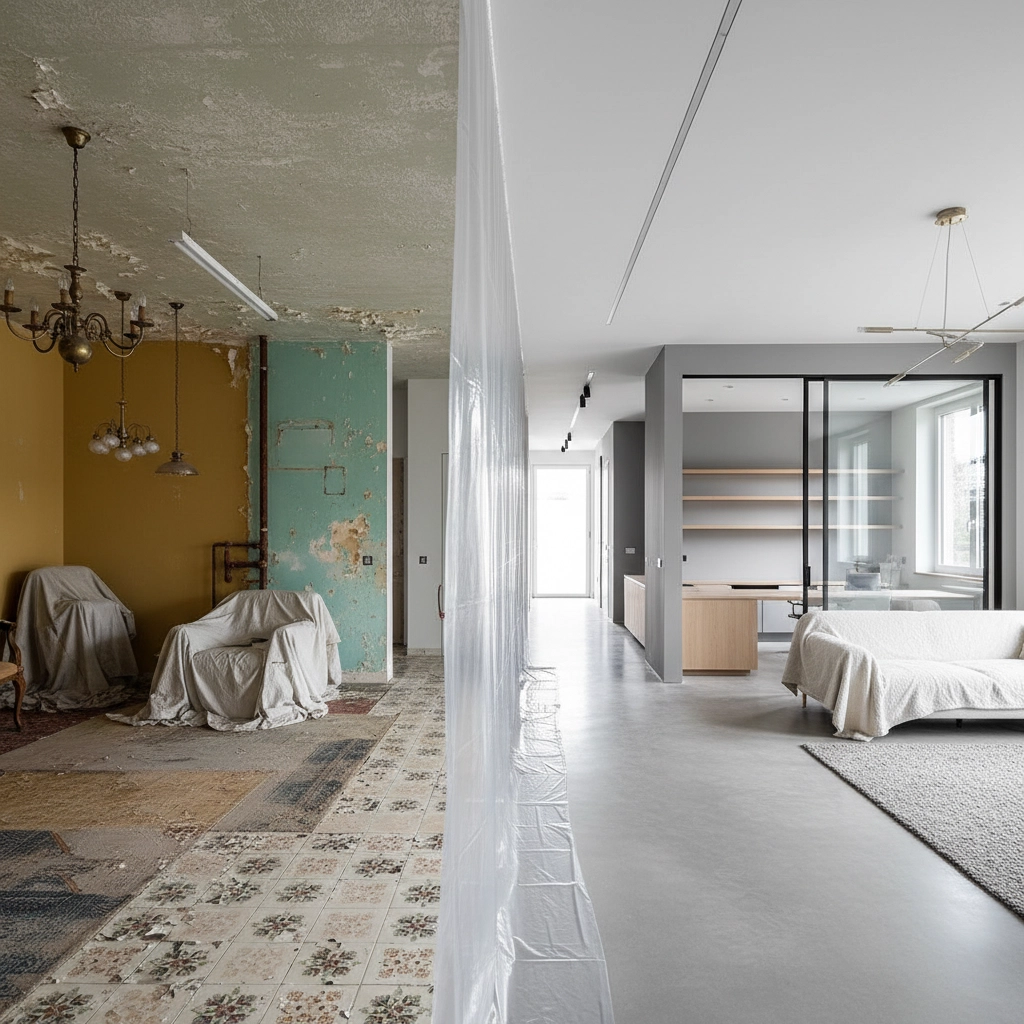
Perhaps the most visible problem with fragmented remodeling is the lack of cohesive design. Flooring choices made three years ago may clash with current preferences. Paint colors that looked perfect in isolation might not work with the overall aesthetic that emerges over time. The result is often a home that feels disjointed rather than thoughtfully designed.
Inefficient System Integration
Modern homes rely on integrated systems: electrical, plumbing, HVAC, and increasingly, smart home technology. Traditional approaches often address these systems in isolation, missing opportunities for efficiency and creating compatibility issues down the line.
Why Whole-House Integration Delivers Superior Results
Systematic Design and Construction Approach
Whole-house integration treats your home as a complete system where every decision affects every other element. This approach allows contractors to optimize layouts, coordinate utilities, and ensure that structural modifications support the entire renovation rather than just individual rooms.
When planning involves the entire home from the start, contractors can make strategic decisions about load-bearing walls, electrical capacity, and plumbing routing that would be impossible to achieve through incremental renovations.
True Design Cohesion
The most immediately visible benefit of whole-house integration is design consistency. Every room flows naturally into the next, with coordinated color schemes, complementary materials, and unified architectural details. This level of cohesion significantly impacts both daily living experience and resale value.
Financial Advantages Through Scale
Counter to common assumptions, whole-house projects often cost less per square foot than cumulative room-by-room renovations. Contractors offer volume discounts for larger projects, and the efficiency of completing all work simultaneously reduces labor costs.
More importantly, integrated design-build approaches provide fixed pricing rather than estimates. This eliminates the budget creep that plagues traditional multi-phase projects, where each new discovery leads to change orders and cost overruns.

Single Disruption Period
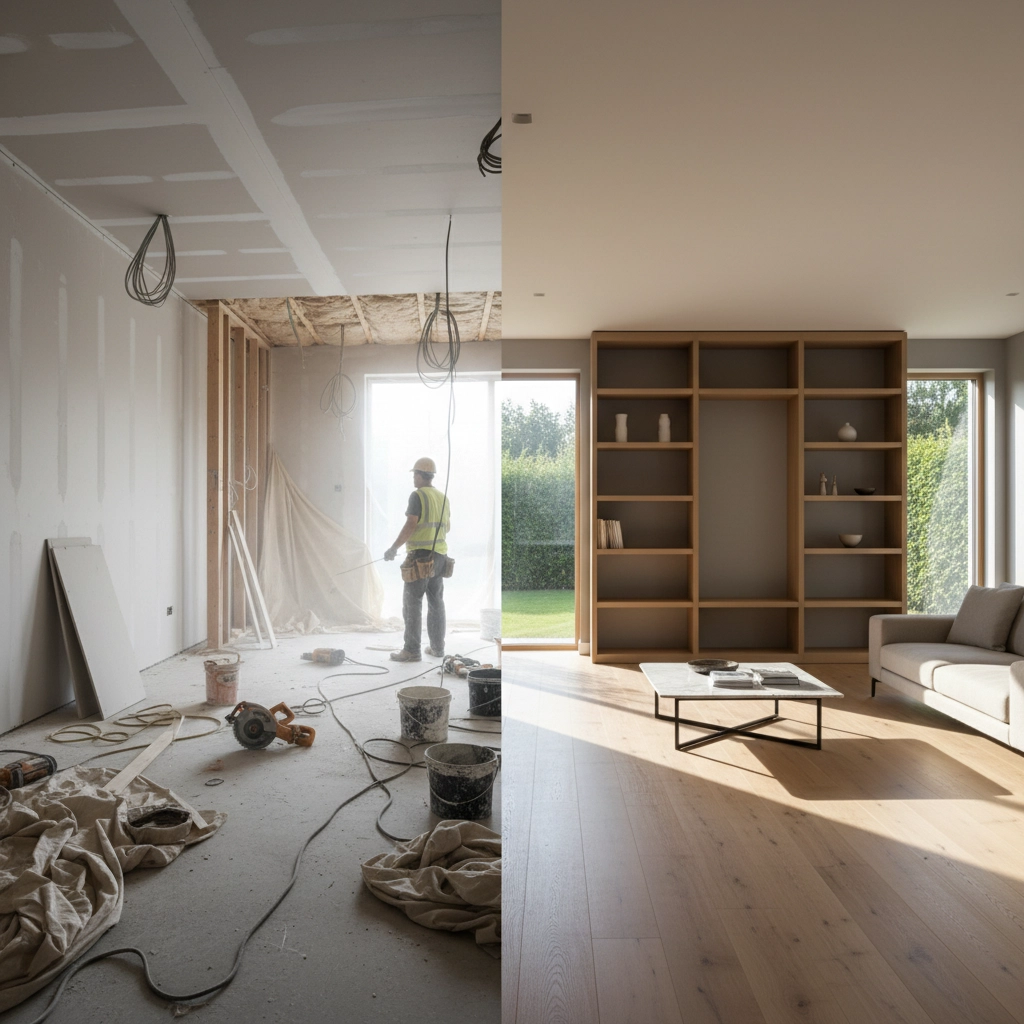
While whole-house renovations take longer overall, they compress all disruption into one concentrated period. Families can relocate temporarily, complete the entire project, and return to a fully transformed home rather than living through years of ongoing construction.
Smart Home Integration: The Modern Advantage
The integration of smart home technology represents one of the strongest arguments for whole-house approaches. Retrofitting smart systems into existing homes is expensive and often compromises functionality, while building them into comprehensive renovations creates seamless, cost-effective solutions.
Energy Efficiency and Cost Savings
Integrated smart systems can reduce energy costs by 20-30% through coordinated heating, cooling, and lighting management. Smart thermostats communicate with automated blinds, which work with LED lighting systems to optimize energy use throughout the day.
Enhanced Security and Convenience
Comprehensive smart home systems integrate security cameras, door locks, garage door controls, and alarm systems into unified platforms manageable from mobile devices. This level of integration is difficult and expensive to achieve through piecemeal installations.
Future-Proofing Technology Infrastructure
Whole-house renovations allow for proper planning of technology infrastructure: adequate electrical capacity, structured wiring, and strong Wi-Fi coverage throughout the home. These foundational elements are costly to retrofit but relatively inexpensive to include in comprehensive renovations.
When Traditional Approaches Still Make Sense
Despite the advantages of integration, traditional room-by-room renovations retain value in specific situations.
Budget Constraints and Cash Flow Management
Spreading renovation costs across multiple years can make projects financially feasible for families who couldn't afford comprehensive renovations upfront. This approach allows homeowners to prioritize immediate needs: updating a failing bathroom before tackling the dated kitchen.
Testing and Learning
Some homeowners prefer to complete one room successfully before committing to larger projects. This approach allows for learning about contractor performance, understanding personal preferences, and refining design choices before making bigger commitments.
Minimal Integration Requirements
Homes that don't require significant structural changes, utility upgrades, or smart home integration may benefit from simpler room-by-room approaches, particularly if existing systems are adequate and design consistency is less important.
Comparing the Approaches
Making the Right Choice for Your Situation
The decision between traditional and integrated approaches depends on your specific circumstances, but several factors strongly favor whole-house integration.
Choose Whole-House Integration If:
- You have the budget to complete comprehensive renovations
- Your home requires significant structural or system updates
- Design consistency and resale value are priorities
- You want smart home technology integration
- You can relocate temporarily during construction
- Your goal is maximum long-term value
Choose Traditional Approaches If:
- Budget constraints require spreading costs over time
- Only specific rooms need attention
- Your existing home systems are adequate
- You prefer to test contractors with smaller projects first
- You cannot relocate during extended construction
The Future of Home Renovation
The trend toward whole-house integration reflects broader changes in how we live and work. Modern homeowners expect their spaces to function as connected, efficient systems that adapt to changing needs. This expectation, combined with advancing smart home technology and changing work patterns, makes comprehensive approaches increasingly attractive.
For homeowners with the resources to pursue whole-house integration, the benefits: design cohesion, cost efficiency, reduced disruption, and enhanced functionality: typically outweigh the challenges of larger upfront commitments and complex project management.
Traditional room-by-room renovations aren't disappearing entirely, but they're becoming the exception rather than the rule among homeowners who understand the full potential of integrated approaches. The question isn't whether traditional remodels are dead, but whether smart homeowners can afford to ignore the advantages of thinking about their homes as complete, integrated systems.
If you're considering a significant renovation project, exploring whole-house integration options can help you understand the full range of possibilities for your home. The investment in comprehensive planning often pays dividends in both immediate satisfaction and long-term value.
Ready to explore which option works best for your property? Contact Rimant Construction to discuss your specific situation and get professional guidance on maximizing your investment in Placer County's growing market.
916-690-4324
info@rimantconstruction.com
rimantconstruction.com
Disclaimer, these are opinions, and as always you should consult your local planning authority and a licensed general contractor before you start construction work.


Comments
Post a Comment