ADU vs Home Addition
ADU vs Home Addition: Which Investment Pays Off Better in Placer County?
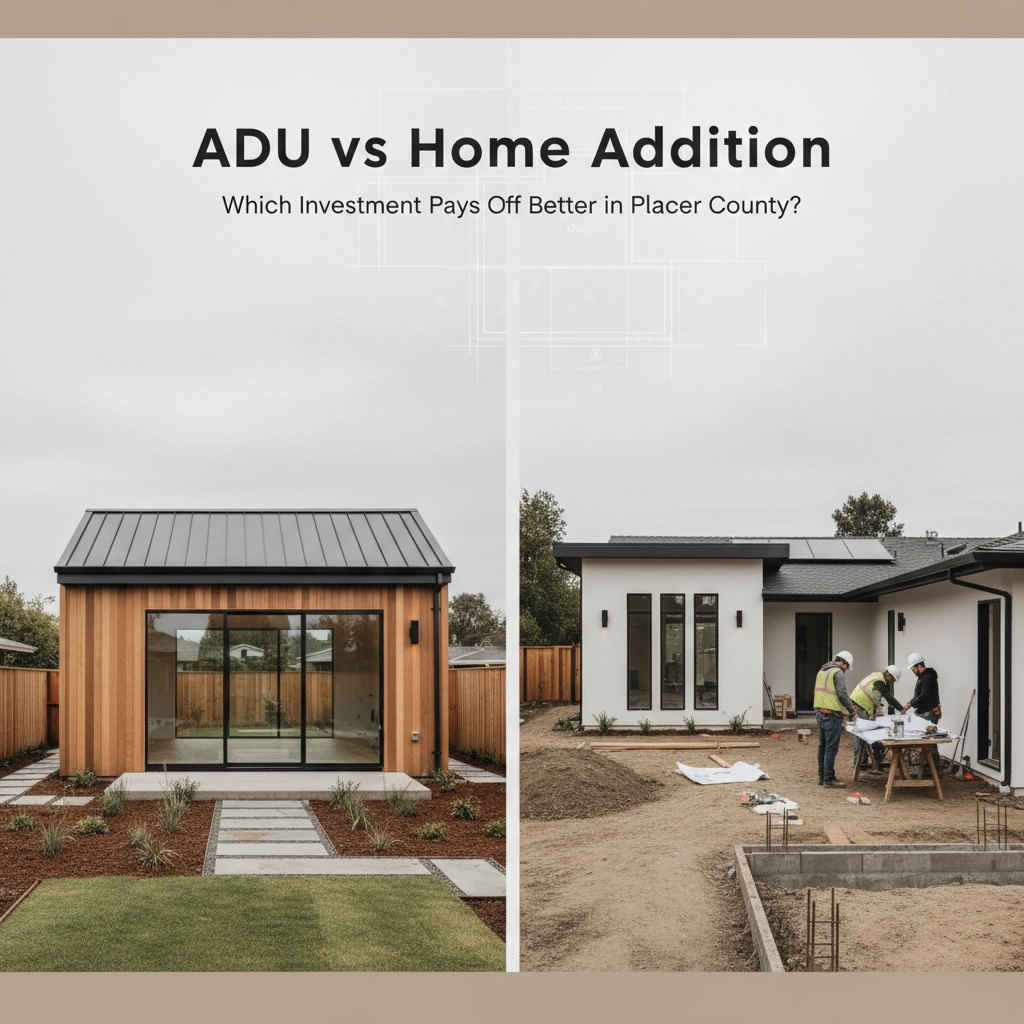
When you're looking to expand your living space in Placer County, you've got two solid options: building an Accessory Dwelling Unit (ADU) or adding onto your existing home. Both can boost your property value, but they work in completely different ways when it comes to your return on investment.
The key difference? ADUs are designed to generate ongoing rental income while home additions focus on increasing your property's square footage and overall functionality. Your choice depends on whether you want a passive income stream or simply more space for your family.
Understanding ADUs as an Investment
An ADU is essentially a separate, self-contained living unit on your property. Think of it as a mini apartment with its own kitchen, bathroom, and living area. In Placer County, these units have become increasingly popular as both an investment strategy and a way to house extended family.
Financial Returns from ADUs
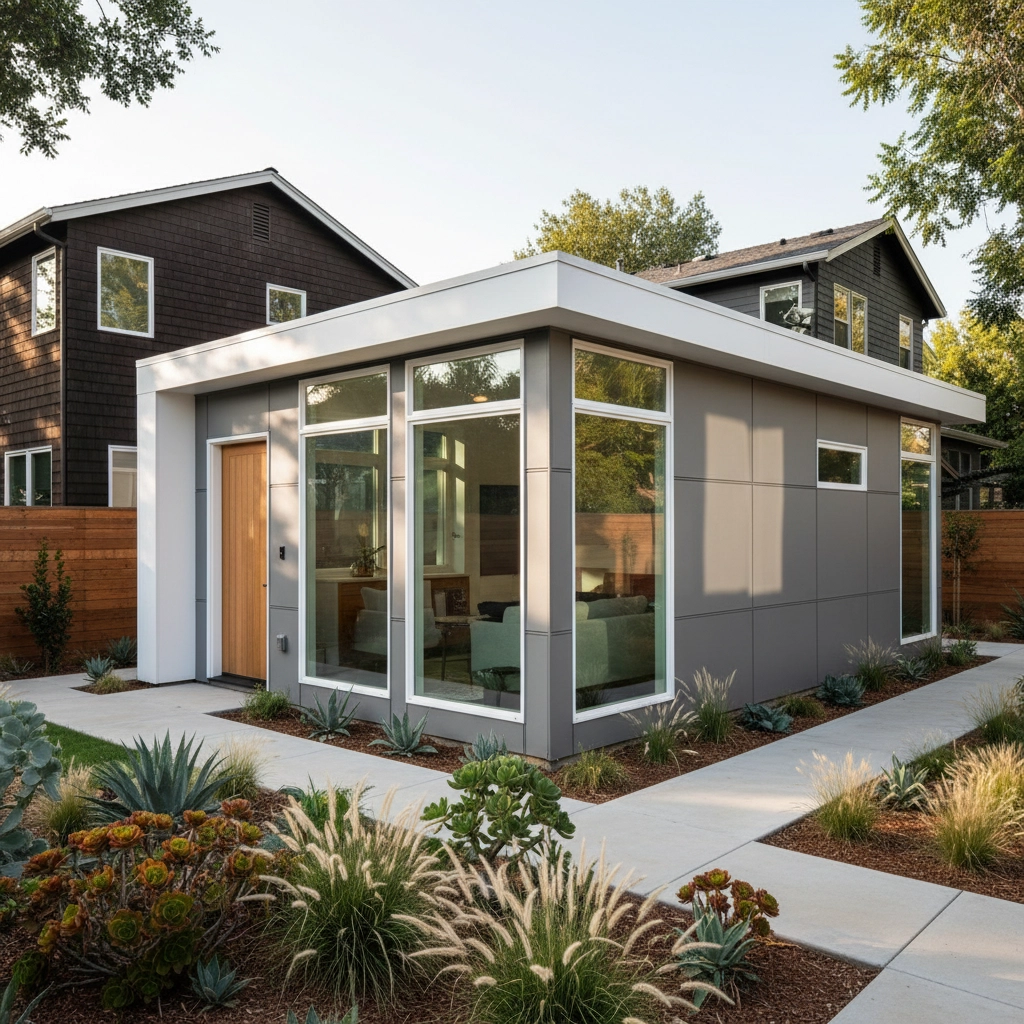
The rental income potential makes ADUs particularly attractive from an investment standpoint. Based on comparable markets in California, you can expect monthly rental income ranging from $1,200 for a studio ADU to $3,000 or more for a two-bedroom unit. This steady cash flow can help your ADU pay for itself within just a few years.
Beyond rental income, ADUs appeal to future homebuyers who see the flexibility of having a separate unit. Whether they want to house aging parents, adult children, or generate their own rental income, this versatility typically translates to higher property values when you sell.
Placer County ADU Advantages
Placer County offers some of the most favorable ADU regulations in California. There's no minimum parcel size requirement, meaning you can build an ADU regardless of your lot size. Even better, you're allowed to build both one full ADU and one Junior ADU (JADU) on the same property.
The county provides pre-approved building plans that can save you $6,000 to $10,000 in design fees. There's also a $40,000 CalHFA state grant available for pre-construction costs including permits and design work.
Financing options are abundant for Placer County residents. Rising home values in the area mean many homeowners have significant equity to tap through home equity loans, HELOCs, cash-out refinancing, or construction loans.
ADU Investment Considerations
Pros:
- Ongoing rental income potential
- Higher property appeal to future buyers
- No minimum lot size restrictions in Placer County
- Available grants and financing options
- Can build both ADU and JADU on same property
Cons:
- Higher upfront construction costs
- Short-term rentals under 30 days prohibited
- Junior ADUs require owner-occupancy of either main home or JADU
- Ongoing landlord responsibilities
- Local rental market fluctuations affect income
Home Addition Investment Profile
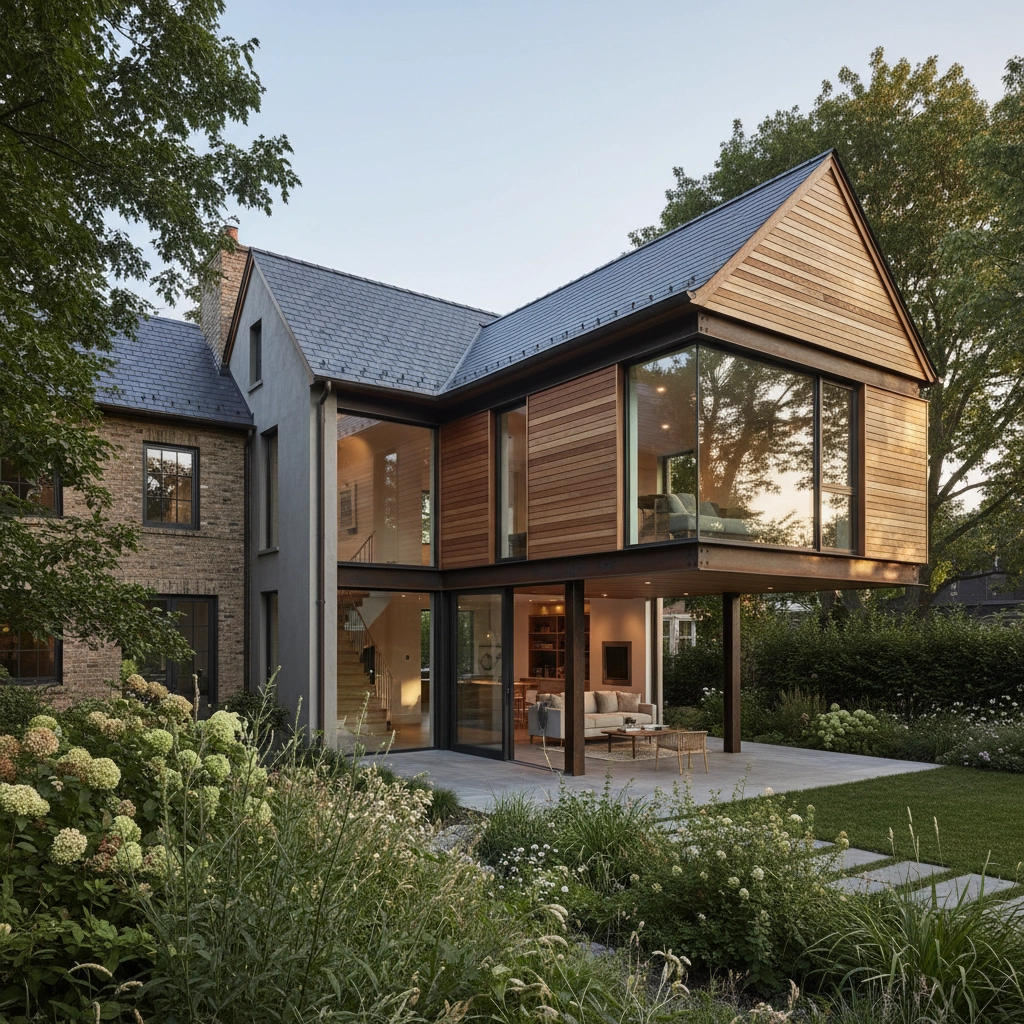
Traditional home additions focus on expanding your existing home's footprint and functionality. This could mean adding a bedroom, expanding your kitchen, creating a home office, or building a family room. The goal is seamless integration with your current living space.
Financial Returns from Additions
Home additions increase your property value by adding square footage and improving functionality. The return on investment typically comes through property appreciation rather than ongoing income generation.
Well-executed additions that flow naturally with your home's existing layout tend to provide the strongest returns. Popular additions in Placer County include master suite expansions, kitchen extensions, and home offices – especially as remote work continues to influence homeowner priorities.
When Additions Make Sense
Home additions work best when you need more space for your own family's use. They're ideal for growing families, those working from home, or homeowners who want to age in place with additional ground-floor living space.
The integration factor is crucial. Additions that feel like natural extensions of your home rather than obvious add-ons typically provide better returns and more enjoyable living experiences.
Addition Investment Considerations
Pros:
- Lower upfront costs than ADUs
- Seamless integration with existing home
- No rental management responsibilities
- Immediate use of expanded space
- Appeals to buyers wanting larger homes
Cons:
- No ongoing income generation
- Returns depend on property appreciation
- May not appeal to all future buyers
- Limited by existing home's layout and lot constraints
- Longer payback period through appreciation only
Direct Investment Comparison
Investment Scenarios: Which Makes Sense When
Choose an ADU if you want to:
- Generate passive rental income
- Maximize long-term property value
- Take advantage of Placer County's favorable ADU policies
- Have a suitable lot for a separate structure
- Plan to hold the property for several years
- Can handle landlord responsibilities or hire property management
Choose a home addition if you want to:
- Expand space for personal family use
- Avoid ongoing rental management
- Work with a smaller upfront budget
- Integrate new space seamlessly with existing home
- Plan to sell within a few years
- Focus purely on personal lifestyle improvements rather than income
Making the Right Choice for Placer County
In Placer County's current market, ADUs often provide superior investment returns due to the combination of strong rental demand and favorable local regulations. The ability to generate $1,200-$3,000 monthly while building long-term equity creates a compelling investment case.
However, if your primary goal is improving your family's quality of life rather than generating income, a well-designed home addition might better serve your needs. The key is honest assessment of your priorities: income generation versus personal use.
Consider your property's specific characteristics too. Larger lots with good separation potential work well for ADUs, while homes with natural expansion opportunities might be better suited for additions.
The financing landscape also favors ADUs in Placer County right now. Between available grants, pre-approved plans, and strong home equity positions, the initial investment barrier is lower than in many other California markets.
For most Placer County homeowners looking purely at investment returns, ADUs currently offer the better financial opportunity. The combination of immediate rental income, long-term appreciation, and local regulatory advantages creates a strong investment case that traditional additions struggle to match.
Ready to explore which option works best for your property? Contact Rimant Construction to discuss your specific situation and get professional guidance on maximizing your investment in Placer County's growing market.
916-690-4324
info@rimantconstruction.com
rimantconstruction.com
Disclaimer, these are opinions, and as always you should consult your local planning authority and a licensed general contractor before you start construction work.


Comments
Post a Comment