Why Dry Rot Repairs are Essential for Every Home
Why Dry Rot Repairs are Essential for Every Home
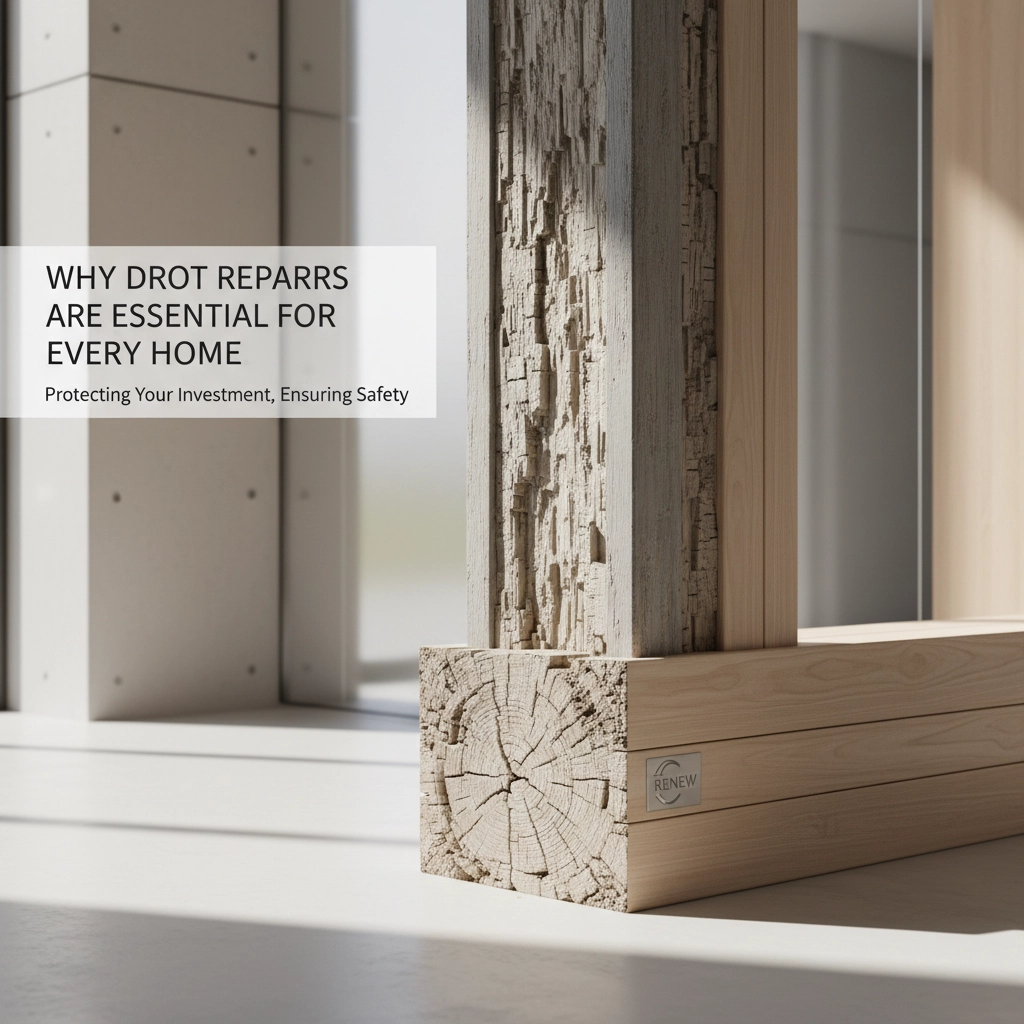
If you're a Sacramento homeowner, dry rot isn't just a possibility: it's practically inevitable without proper prevention and maintenance. This silent destroyer can turn your biggest investment into a costly nightmare, eating away at your home's structure while you're none the wiser. Understanding why dry rot repairs are essential isn't just about home maintenance; it's about protecting your family's safety and your financial future.
What Makes Sacramento Homes Vulnerable to Dry Rot
Sacramento's Mediterranean climate creates the perfect storm for dry rot development. The region's wet winters followed by dry summers create moisture cycles that penetrate wood materials. Unlike what the name suggests, dry rot actually needs moisture to thrive: typically around 20% moisture content in wood. Sacramento homes face unique challenges with seasonal temperature swings, potential flooding during heavy rains, and irrigation systems that can create moisture problems around foundations.
The fungus responsible for dry rot (Serpula lacrymans and related species) doesn't discriminate between old and new construction. Whether you're living in a historic Midtown Victorian or a brand-new Natomas build, the conditions that promote dry rot can develop anywhere moisture meets untreated or poorly ventilated wood.
The Hidden Structural Damage You Can't See
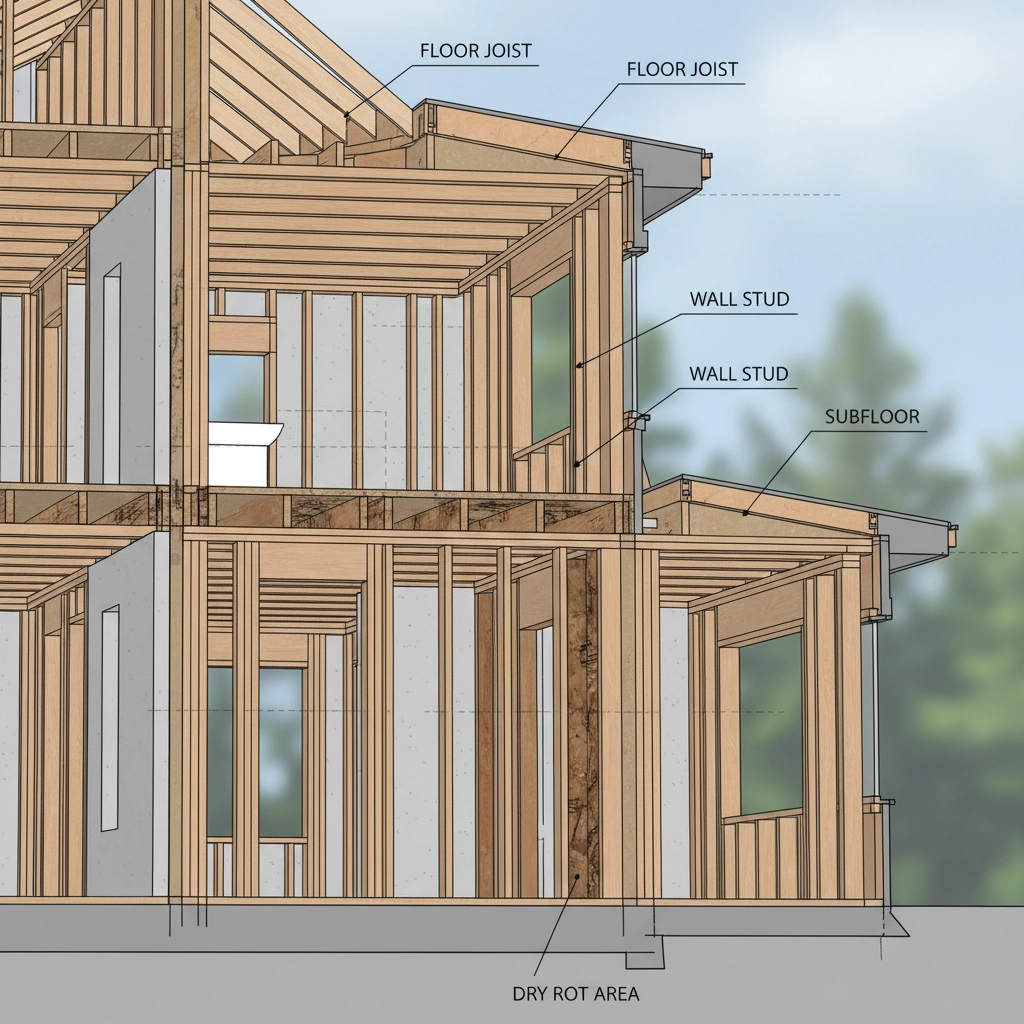
Dry rot operates like a stealth bomber in your home's structure. It typically starts in areas you rarely inspect: behind walls, under floors, in crawl spaces, and around windows and doors where moisture can seep in undetected. By the time you notice visible signs like crumbling wood or that distinctive musty odor, the fungus has likely been working for months or even years.
The fungus breaks down cellulose and lignin in wood, essentially turning solid structural members into something resembling dried toast. Load-bearing beams, floor joists, and wall studs can lose their structural integrity without any obvious external signs. A floor that feels slightly bouncy, doors that stick, or small cracks in drywall might be your only warnings that serious structural damage is occurring beneath the surface.
In Sacramento's older neighborhoods, homes built before modern moisture barriers became standard are particularly vulnerable. Victorian-era homes and mid-century construction often lack the vapor barriers and proper ventilation systems that help prevent moisture buildup in wall cavities and subfloor areas.
The True Cost of Ignoring Dry Rot
The financial implications of untreated dry rot extend far beyond the immediate repair costs. Sacramento's competitive housing market means that any structural issues can significantly impact your home's value and marketability. Home inspections routinely flag dry rot as a major concern, and potential buyers often walk away rather than deal with the uncertainty of hidden damage.
Repair costs escalate rapidly once dry rot takes hold. What might start as a $500 localized repair can quickly become a $15,000 to $30,000 structural renovation project. When dry rot affects load-bearing elements, you're looking at potential foundation work, extensive framing replacement, and the domino effect of damage to flooring, drywall, and electrical systems.
Insurance typically doesn't cover dry rot damage because it's considered a maintenance issue rather than a sudden accident. This means you'll be paying out of pocket for repairs that could have been prevented with regular maintenance and early intervention.
Why Early Detection Saves Thousands
The difference between catching dry rot early versus letting it spread can literally be the difference between hundreds and tens of thousands of dollars in repair costs. Early-stage dry rot might affect only surface wood or a small section of framing. At this stage, repairs involve removing the damaged wood, treating the area with fungicides, and replacing the affected materials: a relatively straightforward process.
Once dry rot spreads through multiple structural elements, repairs become exponentially more complex. You might need temporary supports while load-bearing members are replaced, extensive demolition to access affected areas, and coordination with multiple trades to restore electrical, plumbing, and HVAC systems that get disturbed during major structural work.
Sacramento homeowners should conduct quarterly inspections of vulnerable areas, especially after the rainy season. Look for:
- Discolored or darkened wood
- Wood that feels soft or spongy when pressed
- A musty, mushroom-like odor
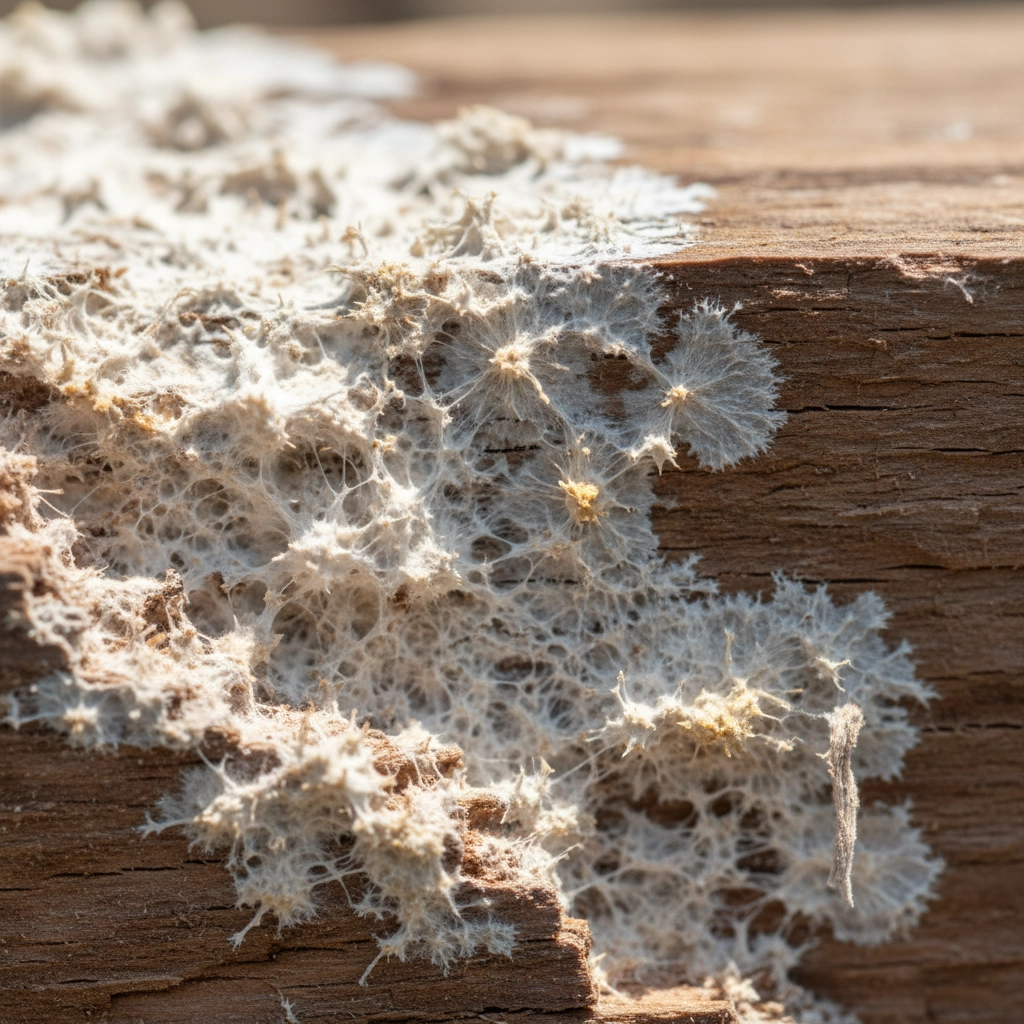
- Visible fungal growth or cotton-like strands
- Cracks running along the grain of wood
- Paint that's bubbling or peeling near wood surfaces
Professional Repair: Why DIY Isn't Worth the Risk
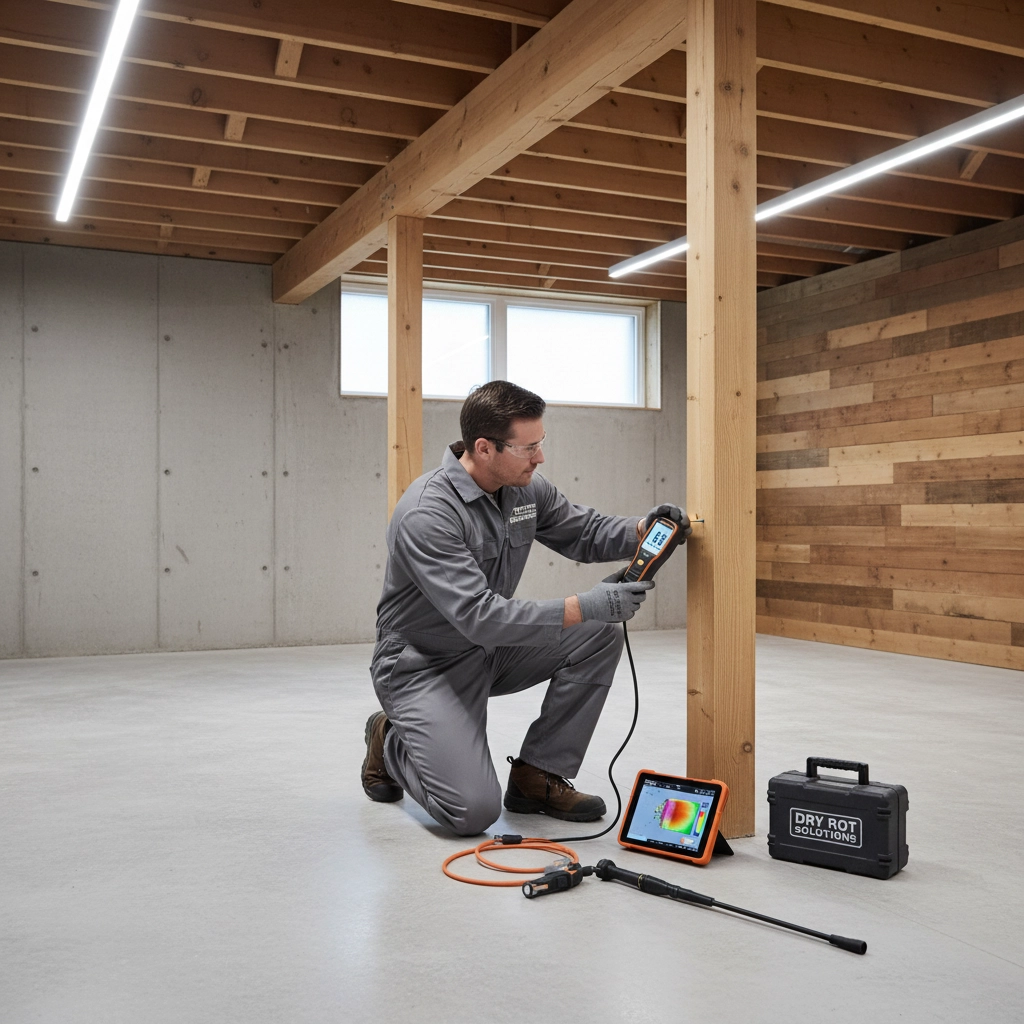
While YouTube might make dry rot repair look straightforward, professional intervention is crucial for several reasons. First, identifying the full extent of damage requires experience and often specialized equipment like moisture meters and thermal imaging cameras. What appears to be isolated damage on the surface often extends much further into the structure.
Professional dry rot repair involves several critical steps that DIY attempts often miss:
Comprehensive Assessment: Professionals can determine the full scope of damage and identify the moisture source that caused the problem. Without addressing the root cause, repairs will fail.
Proper Safety Protocols: Dry rot often occurs in areas with structural instability. Professionals know how to safely support structures during repair work.
Appropriate Materials and Techniques: Different types of wood rot require different treatment approaches. Professionals use specialized wood hardeners, epoxy consolidants, and fungicidal treatments that aren't available to consumers.
Code Compliance: Structural repairs must meet local building codes. Permitted work done by licensed contractors ensures your repairs are legal and safe.
The Sacramento-Specific Prevention Strategy
Sacramento's climate requires a tailored approach to dry rot prevention. The key is managing moisture during the wet season while maintaining proper ventilation year-round.
Seasonal Maintenance Schedule:
- Fall: Clean gutters, inspect roof flashing, seal any exterior cracks or gaps
- Winter: Monitor for leaks after storms, check crawl spaces for standing water
- Spring: Inspect areas that were exposed to winter moisture, service HVAC systems
- Summer: Maintain proper ventilation, inspect irrigation systems for leaks
Critical Areas for Sacramento Homes:
- Deck and patio connections: Where wood meets concrete is particularly vulnerable
- Window and door frames: Check caulking and weather stripping regularly
- Bathroom and kitchen areas: Ensure proper ventilation and watch for tile or grout failures
- Crawl spaces: Maintain proper vapor barriers and ventilation
- Attic areas: Check for roof leaks and ensure adequate ventilation
When to Call Rimant Construction
Some dry rot situations require immediate professional attention. If you discover soft, crumbling wood in any structural area, notice floors that feel bouncy or unstable, or find evidence of extensive fungal growth, don't wait. The longer dry rot spreads, the more expensive and disruptive repairs become.
At Rimant Construction, we've seen firsthand how early intervention saves Sacramento homeowners thousands of dollars and months of disruption. Our team uses moisture detection equipment to identify problem areas before they become major structural issues, and we address both the damage and the underlying moisture problems that cause dry rot in the first place.
Protecting Your Investment Long-Term
Dry rot prevention isn't a one-time fix: it's an ongoing commitment to maintaining your home's structural integrity. Regular professional inspections, especially for homes over 20 years old, can catch problems early when repairs are still manageable and affordable.
Consider dry rot prevention as insurance for your home's value. A well-maintained home that's been properly inspected and repaired will always command a higher price in Sacramento's competitive market. More importantly, you'll have peace of mind knowing your family is living in a structurally sound environment.
The investment in proper dry rot prevention and repair pays dividends in reduced energy costs (better-sealed homes are more efficient), increased home value, and the security of knowing your home's structure is solid. In Sacramento's market, where home values continue to climb, protecting your investment through proper maintenance isn't just smart: it's essential.
Don't let dry rot turn your dream home into a financial nightmare. Regular inspections, prompt repairs, and professional maintenance keep this silent destroyer at bay, ensuring your home remains the safe, valuable asset you intended it to be.
Interested in consulting on your project? Rimant Construction’s team can help weigh your options and create a tailored plan. Reach out anytime for a conversation about your goals.
916-690-4324
info@rimantconstruction.com
rimantconstruction.com
Disclaimer, these are opinions, and as always you should consult your local planning authority and a licensed general contractor before you start construction work.


Comments
Post a Comment