The Ultimate Guide to Energy-Efficient Remodeling
The Ultimate Guide to Energy-Efficient Remodeling: Everything Sacramento Homeowners Need to Succeed
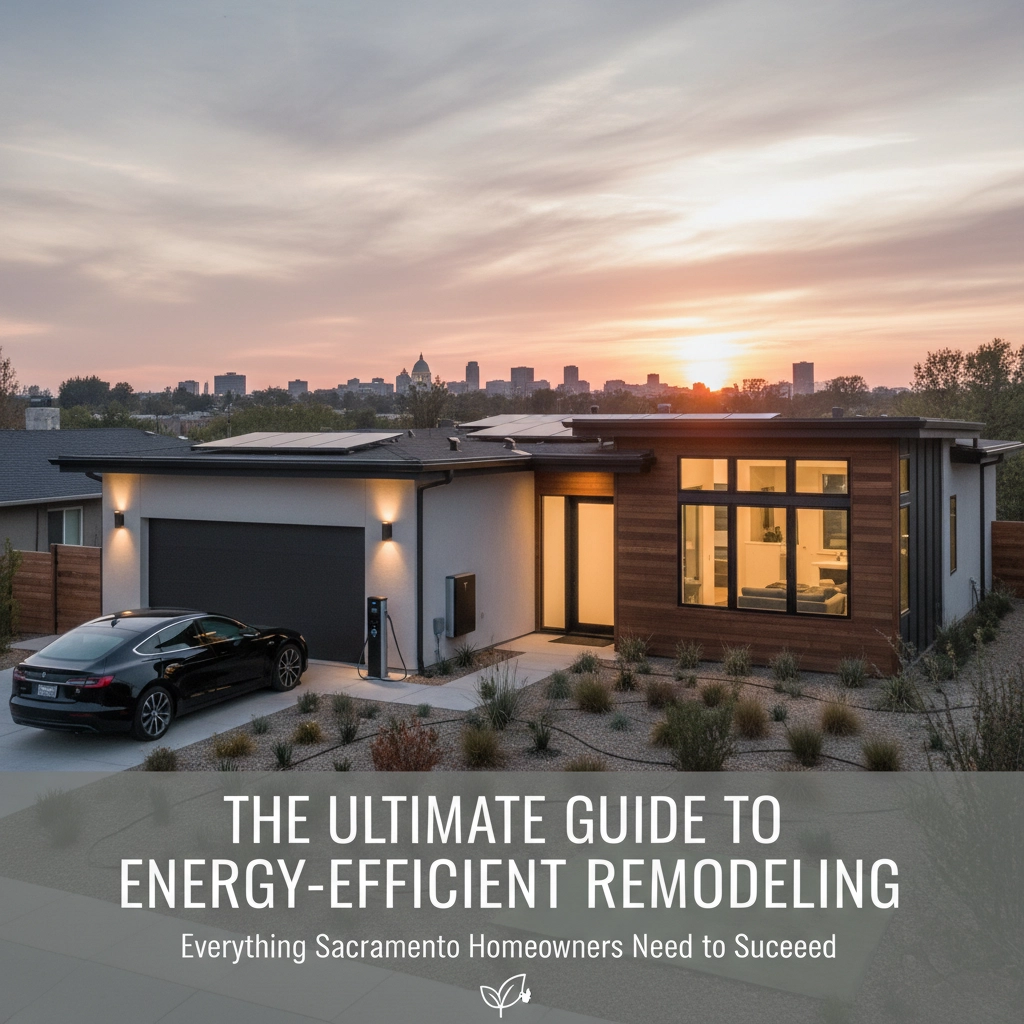
Sacramento homeowners face unique energy challenges. With sweltering summers regularly hitting 100°F+ and cool winters dipping into the 30s, your home works overtime to keep you comfortable. Energy-efficient remodeling isn't just about saving money: though you'll definitely see lower utility bills. It's about creating a home that performs better year-round while reducing your environmental impact.
The good news? Sacramento offers some of the best incentives in California for energy-efficient upgrades. Between SMUD rebates, state programs, and federal tax credits, there's never been a better time to make your home more efficient.
Why Energy Efficiency Matters in Sacramento
Sacramento's Mediterranean climate creates specific energy demands. Your air conditioning runs hard from May through October, while heating systems kick in during those surprisingly chilly winter months. Poor insulation, drafty windows, and inefficient appliances force your HVAC system to work overtime, driving up energy costs and creating uncomfortable hot and cold spots throughout your home.
Energy-efficient upgrades address these issues systematically. When done properly, they can reduce energy consumption by 20-40% while dramatically improving comfort levels. You'll also increase your home's value: energy-efficient homes typically sell faster and for higher prices in today's market.
Essential Energy-Efficient Upgrades
Insulation: Your Home's Foundation
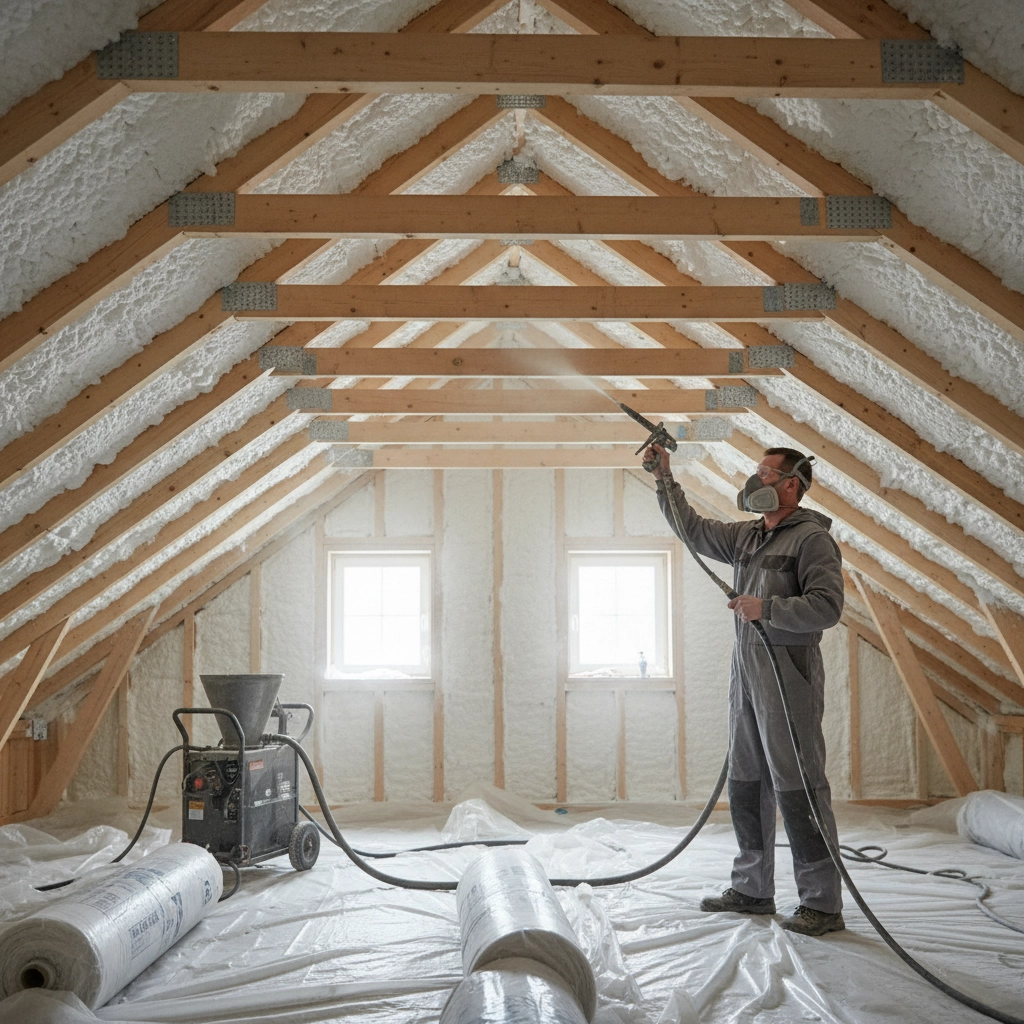
Proper insulation is the most impactful upgrade you can make. Sacramento homes built before 1990 often have inadequate insulation, especially in attics and crawl spaces.
Key areas to address:
- Attic insulation (aim for R-38 to R-49 in Sacramento)
- Wall insulation in older homes
- Crawl space and basement insulation
- Pipe insulation to prevent heat loss
Modern insulation materials like spray foam and blown-in cellulose offer superior performance compared to older fiberglass batts. Spray foam provides excellent air sealing, while blown-in cellulose offers good value for large areas like attics.
Windows and Air Sealing
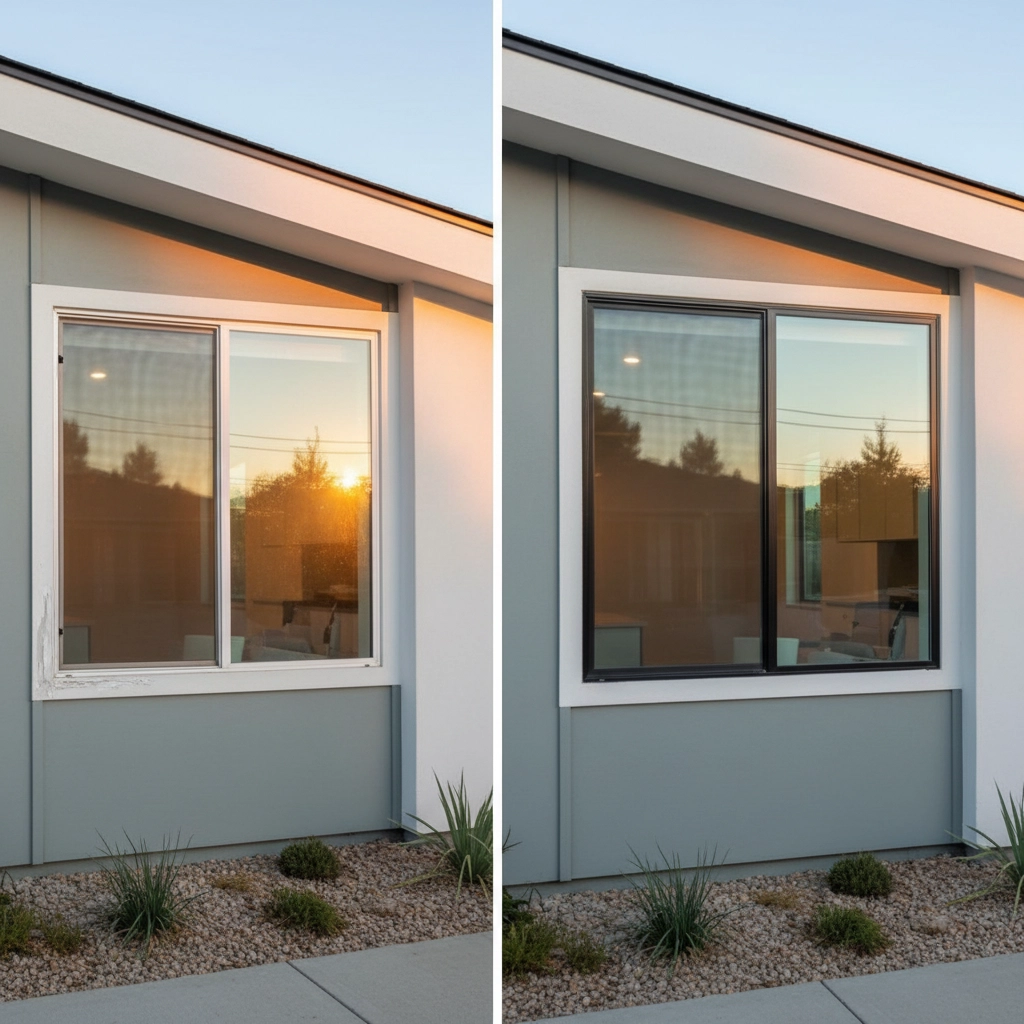
Single-pane windows are energy vampires in Sacramento's climate. Upgrading to double or triple-pane windows with low-E coatings can reduce heat transfer by up to 50%.
Window features to prioritize:
- Double or triple-pane glass
- Low-E coatings to reflect heat
- Vinyl or fiberglass frames (better than aluminum)
- Proper installation with quality weather sealing
Don't overlook air sealing. Gaps around windows, doors, electrical outlets, and plumbing penetrations can account for 20-30% of energy loss. Professional air sealing with caulk and weatherstripping creates an immediate improvement in comfort and efficiency.
HVAC System Optimization
Your heating and cooling system is likely your home's biggest energy user. Sacramento's hot summers put enormous strain on air conditioning systems, making efficiency upgrades crucial.
HVAC upgrades to consider:
- High-efficiency heat pumps (SEER 16+ for cooling, HSPF 9+ for heating)
- Programmable or smart thermostats
- Duct sealing and insulation
- Regular maintenance and filter changes
Heat pumps are particularly effective in Sacramento's moderate climate, providing both heating and cooling more efficiently than separate systems. Many SMUD customers see significant savings when upgrading from older gas furnaces and electric air conditioners.
Energy-Efficient Appliances
ENERGY STAR appliances can reduce energy consumption by 15-40% compared to standard models. Focus on the biggest energy users first.
Priority appliance upgrades:
- Water heaters (heat pump or high-efficiency gas)
- Refrigerators and dishwashers
- Clothes washers and dryers
- Pool pumps (variable speed models)
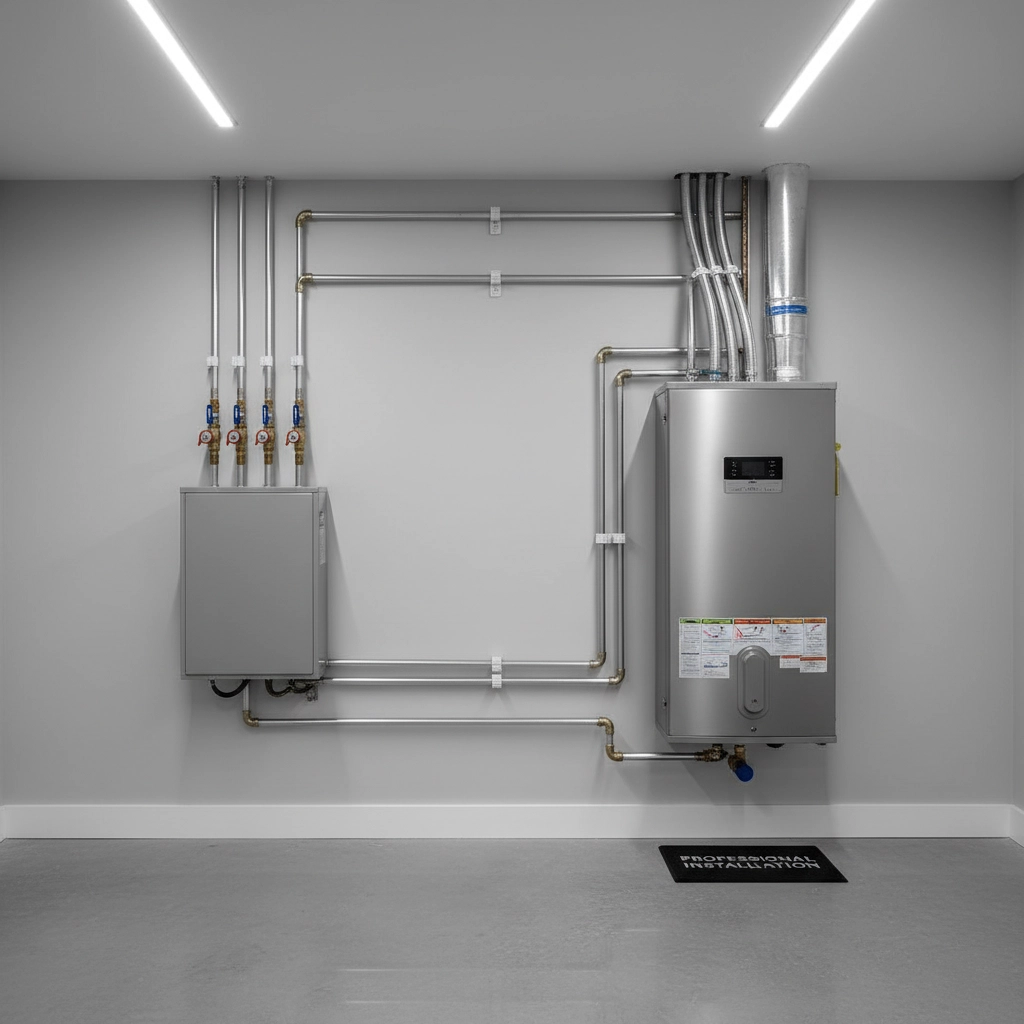
Water heating typically accounts for 15-20% of home energy use. Heat pump water heaters work exceptionally well in Sacramento's climate, using 60-70% less energy than conventional electric water heaters.
Lighting and Electrical
LED lighting uses 75% less energy than incandescent bulbs and lasts 25 times longer. While individual savings seem small, lighting accounts for about 10% of home energy use.
Smart lighting strategies:
- LED bulbs throughout the house
- Dimmer switches for flexibility
- Motion sensors in garages and utility areas
- Timer controls for outdoor lighting
Planning Your Energy-Efficient Remodel
Start with a Professional Energy Audit
Before making upgrades, get a comprehensive energy audit. Professional auditors use thermal imaging cameras and blower door tests to identify exactly where your home is losing energy. This data-driven approach ensures you prioritize the most impactful upgrades first.
SMUD offers subsidized energy audits for qualifying customers, making this assessment very affordable. The audit report will rank potential improvements by cost-effectiveness, helping you plan a phased approach if budget is a concern.
Set Realistic Goals and Budgets
Energy-efficient upgrades range from simple DIY projects to major renovations. Establish clear priorities:
High-impact, lower-cost upgrades:
- Air sealing and weatherstripping
- LED lighting conversion
- Programmable thermostats
- Pipe insulation
Medium-cost improvements:
- Attic insulation upgrades
- ENERGY STAR appliances
- Smart home automation
Major investments:
- Window replacement
- HVAC system upgrades
- Whole-house remodels with efficiency focus
Create a Project Timeline
Energy-efficient remodels work best when planned systematically. Start with air sealing and insulation, then upgrade HVAC and appliances, finishing with windows and renewable energy systems.
This sequence maximizes efficiency gains: there's no point installing an oversized HVAC system if you haven't addressed insulation and air leaks first.
Choosing the Right Contractor
Energy-efficient remodeling requires specialized knowledge. Not all contractors understand building science principles or local climate considerations.
Look for contractors who:
- Have specific energy efficiency certifications
- Understand Sacramento's climate and building codes
- Provide detailed written estimates
- Offer warranties on both materials and labor
- Can explain the science behind their recommendations
Get multiple quotes, but don't automatically choose the lowest bid. Energy efficiency upgrades are technical work: quality installation is crucial for achieving projected savings.
Red flags to avoid:
- Door-to-door sales pitches
- Unusually low bids
- Pressure to sign immediately
- No local references
- Lack of proper licensing and insurance
Sacramento-Specific Resources and Incentives
SMUD Programs
Sacramento Municipal Utility District offers some of California's best energy efficiency incentives:
SMUD Home Performance Program:
- Comprehensive whole-house approach
- Substantial rebates for bundled upgrades
- Financing options for qualified customers
- Quality assurance inspections
SMUD Energy Store:
- Instant rebates on LED lighting
- Discounts on smart thermostats
- Pool pump rebates
- Energy-efficient appliance incentives
State and Federal Incentives
California's energy efficiency programs change frequently, but typically include:
- Federal tax credits for HVAC and insulation upgrades
- State rebates for heat pump water heaters
- Utility rebates for ENERGY STAR appliances
Work with contractors familiar with current incentive programs: they can help you maximize available rebates and ensure proper documentation for tax credits.
Sacramento Climate Considerations
Sacramento's specific climate creates unique opportunities for energy savings:
Summer strategies:
- Focus on cooling load reduction through insulation and air sealing
- Use cool roofing materials to reduce heat absorption
- Install efficient air conditioning with proper sizing
- Consider whole-house fans for natural cooling
Winter approaches:
- Heat pump systems work well in Sacramento's moderate winters
- Proper insulation prevents heat loss during cold snaps
- Air sealing reduces drafts and cold spots
Year-round benefits:
- Quality windows reduce both heating and cooling loads
- Efficient water heaters perform well in stable ground temperatures
- Smart home systems optimize energy use automatically
Getting Started
Energy-efficient remodeling delivers immediate and long-term benefits. Start with a professional energy audit to identify your home's specific needs, then prioritize upgrades based on cost-effectiveness and available incentives.
Remember that energy efficiency is a system: each upgrade works better when combined with others. A comprehensive approach typically delivers better results than piecemeal improvements.
Ready to transform your Sacramento home into an energy-efficient haven? The combination of local climate, utility incentives, and proven technologies makes this the perfect time to invest in your home's performance and your family's comfort.
For expert guidance on your energy-efficient remodeling project, consider working with experienced local contractors who understand Sacramento's unique requirements and can help you navigate available incentive programs. The investment you make today will pay dividends in comfort, savings, and home value for years to come.
Interested in consulting on your project? Rimant Construction’s team can help weigh your options and create a tailored plan. Reach out anytime for a conversation about your goals.
916-690-4324
info@rimantconstruction.com
rimantconstruction.com
Disclaimer, these are opinions, and as always you should consult your local planning authority and a licensed general contractor before you start construction work.


Comments
Post a Comment