Sustainable Home Remodeling in Northern California
Sustainable Home Remodeling in Northern California: The Complete Guide to Eco-Friendly Materials and Energy Savings
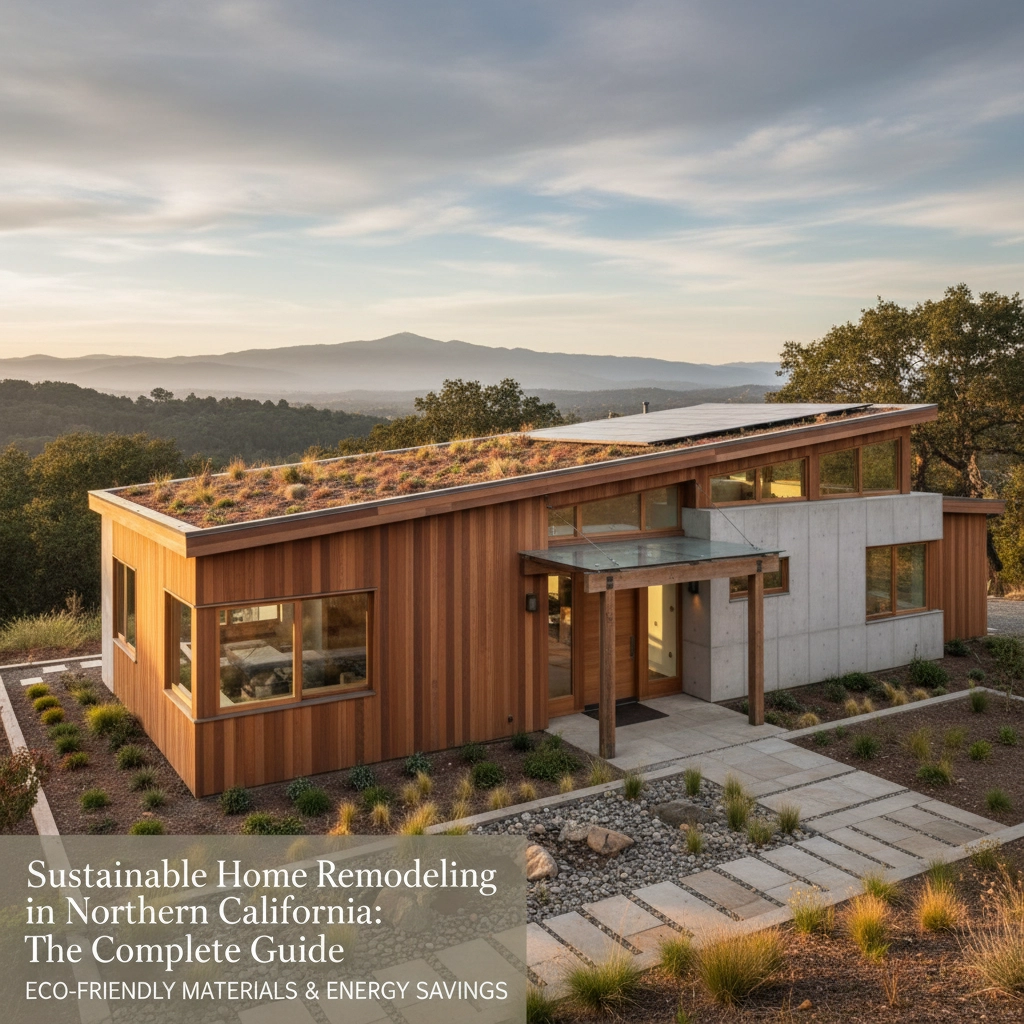
Sustainable home remodeling in Northern California represents more than an environmental choice: it's a strategic investment that reduces long-term costs while meeting the region's strict building standards. With California's Title 24 energy codes and increasing utility rates, eco-friendly renovations deliver measurable returns through lower energy bills and increased property values.
Understanding Northern California's Sustainable Building Landscape
Northern California's unique climate and regulatory environment create specific opportunities for sustainable remodeling. The region's Mediterranean climate allows for passive heating and cooling strategies, while abundant sunshine makes solar installations particularly effective. However, homeowners must navigate strict energy efficiency requirements, wildfire prevention codes, and local architectural guidelines.
California's Title 24 Building Energy Efficiency Standards mandate specific performance levels for all renovation projects involving electrical, mechanical, or structural work. These requirements often align with sustainable practices, making compliance and environmental responsibility complementary goals rather than competing priorities.
Essential Planning Steps for Sustainable Renovations
Energy Audit and Assessment
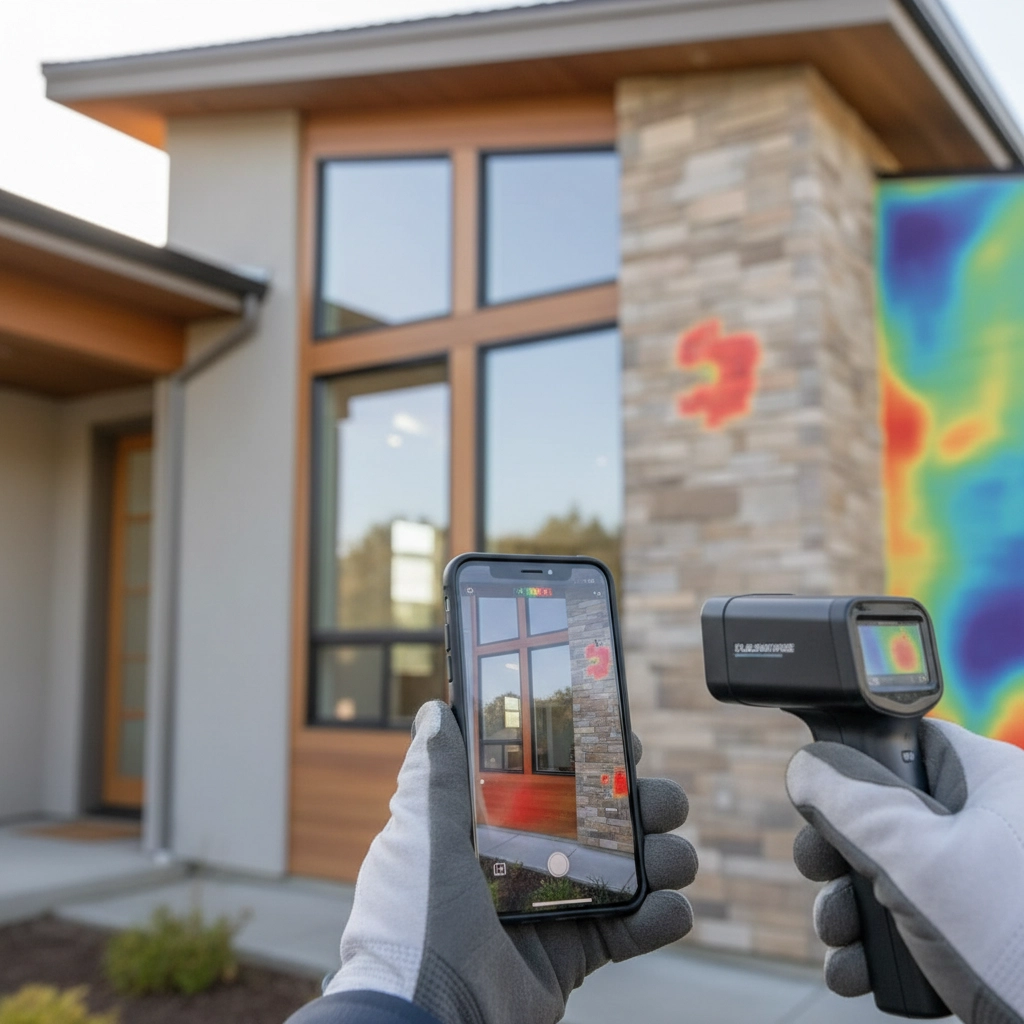
Before selecting materials or systems, conduct a comprehensive energy audit to identify your home's biggest inefficiencies. Professional energy assessments reveal heat loss patterns, air leakage points, and underperforming systems that should be prioritized in your renovation budget.
Focus areas typically include:
- Insulation gaps in walls, floors, and attics
- Air sealing around windows, doors, and penetrations
- HVAC system efficiency and ductwork condition
- Water heating energy consumption
- Lighting and appliance efficiency
Setting Sustainability Goals
Define specific, measurable sustainability objectives for your project. Consider whether your priority is reducing energy consumption, improving indoor air quality, minimizing environmental impact, or achieving green building certification. These goals will guide material selections and system upgrades throughout the renovation process.
High-Performance Eco-Friendly Materials
Sustainable Flooring Options
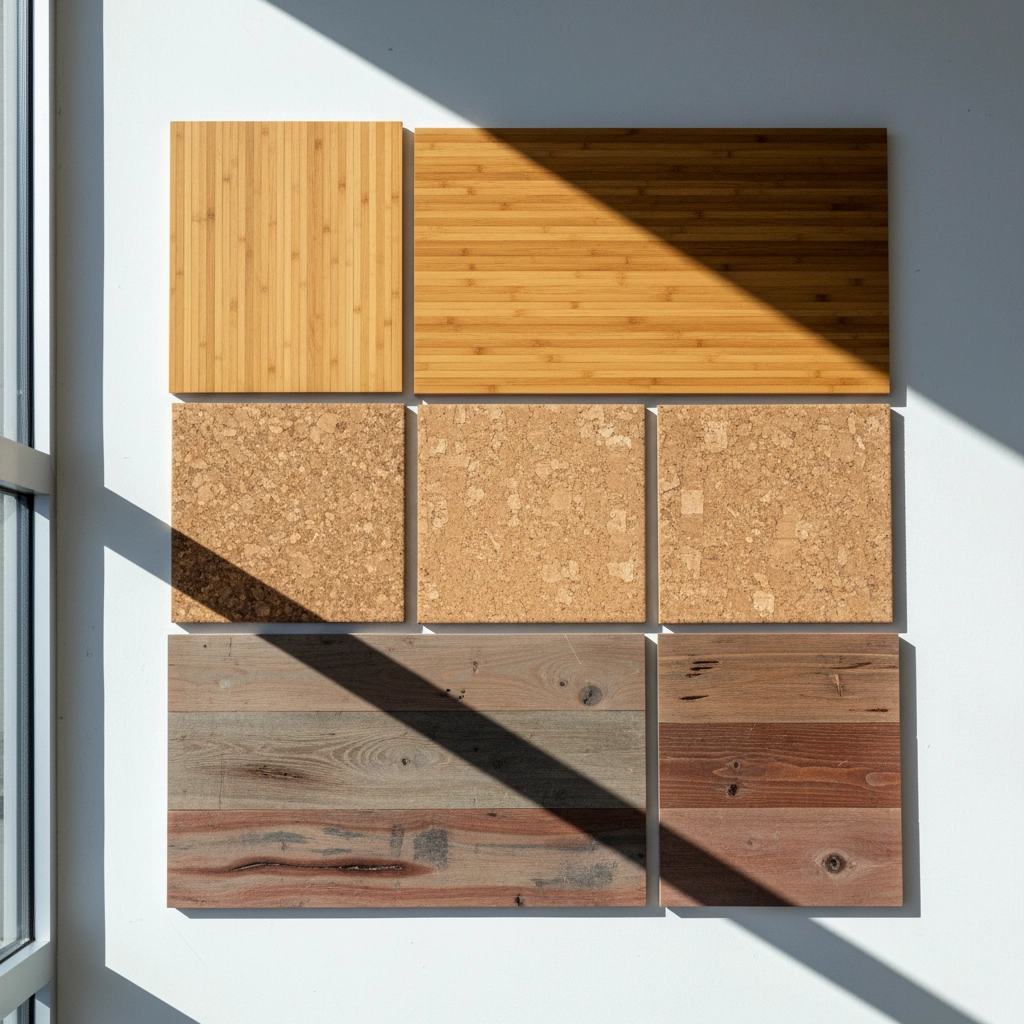
Bamboo flooring offers durability comparable to hardwood while growing 30 times faster than traditional trees. Quality bamboo products provide excellent moisture resistance, making them suitable for Northern California's varied microclimates.
Cork flooring delivers natural antimicrobial properties and superior insulation performance. Harvested from bark without harming trees, cork regenerates completely within 9 years, making it truly renewable.
Reclaimed hardwood combines sustainability with unique character. Salvaged from old buildings, barns, or industrial structures, reclaimed wood prevents waste while adding distinctive grain patterns unavailable in new lumber.
Insulation Materials
Natural fiber insulation made from sheep's wool, cotton, or cellulose provides excellent thermal performance while remaining breathable and non-toxic. These materials regulate humidity naturally and don't off-gas harmful chemicals.
Recycled denim insulation offers superior sound dampening alongside thermal benefits. Made from post-industrial cotton waste, it installs easily without irritating skin or lungs during installation.
Low-Impact Building Materials
Recycled steel framing reduces environmental impact while providing superior strength and dimensional stability compared to traditional lumber. Steel framing resists warping, shrinking, and pest damage common in Northern California's climate.
Sustainable concrete alternatives including fly ash and recycled aggregate reduce the carbon footprint of foundations and hardscaping projects. These materials often exceed traditional concrete performance while diverting industrial waste from landfills.
Energy Efficiency System Upgrades
HVAC Optimization
High-efficiency heat pump systems provide both heating and cooling while consuming 50-75% less energy than traditional HVAC equipment. In Northern California's mild climate, heat pumps operate efficiently year-round, delivering consistent comfort with minimal environmental impact.
Zoned HVAC systems allow precise temperature control in different areas, reducing energy waste in unused spaces. Smart thermostats learn occupancy patterns and automatically adjust temperatures for optimal efficiency.
Advanced Insulation Strategies
Continuous exterior insulation eliminates thermal bridging through wall studs, significantly improving overall wall performance. This approach is particularly effective in Northern California renovations where homes often lack adequate insulation.
Radiant barrier installation in attics reflects heat away from living spaces, reducing cooling loads during hot summer days. Combined with adequate ventilation, radiant barriers can lower attic temperatures by 20-30 degrees.
Window and Door Upgrades
High-performance windows with low-E coatings and argon gas fills provide superior insulation while maintaining natural light levels. Look for windows with U-factors below 0.30 and Solar Heat Gain Coefficients appropriate for your specific microclimate.
Strategic window placement during renovations can optimize natural lighting and passive solar heating. South-facing windows maximize winter heat gain, while properly sized overhangs prevent summer overheating.
Renewable Energy Integration
Solar System Planning
Northern California receives excellent solar exposure, making photovoltaic installations highly effective. Consider your roof orientation, shading patterns, and local utility net metering policies when sizing solar arrays. Battery storage systems provide backup power during outages while maximizing solar energy utilization.
Ground-mount solar systems offer alternatives when roof installations aren't optimal. These systems allow precise orientation and easier maintenance while potentially providing more installation space.
Water Heating Solutions
Solar water heating systems can provide 60-80% of domestic hot water needs in Northern California's climate. These systems typically pay for themselves within 8-12 years through utility savings.
Heat pump water heaters extract heat from ambient air, using 60-70% less energy than conventional electric water heaters. Many utility companies offer rebates that significantly reduce installation costs.
Regional Compliance and Considerations
Wildfire Prevention Requirements
Northern California's wildfire risk requires specific material and design considerations. Fire-resistant materials including Class A roofing, non-combustible siding, and defensible space landscaping are often mandatory in high-risk areas.
Ember-resistant vents and sealed eaves prevent fire intrusion while maintaining proper ventilation. These features protect homes during wildfire events without compromising energy efficiency.
Seismic Safety Integration
Sustainable renovations must incorporate seismic safety upgrades required by local codes. Modern seismic retrofitting techniques can be integrated with insulation and air sealing improvements, maximizing project efficiency.
Indoor Air Quality Improvements
Low-VOC Materials
Zero-VOC paints and finishes eliminate harmful chemical off-gassing while providing durable, attractive surfaces. These products are particularly important in Northern California's tightly sealed, energy-efficient homes where ventilation rates are reduced.
Natural fiber carpeting and padding made from wool, jute, or natural latex avoid the formaldehyde and other chemicals found in synthetic alternatives.
Ventilation Strategies
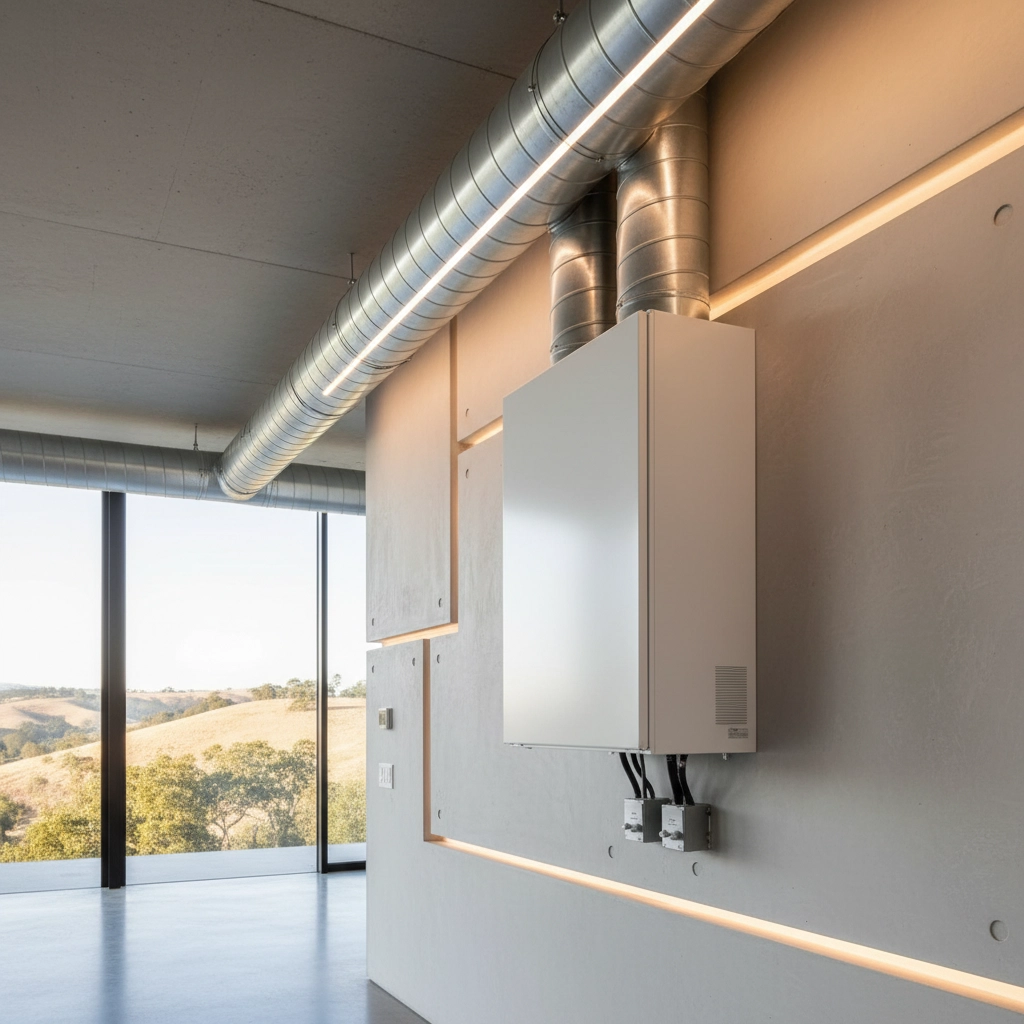
Energy recovery ventilation (ERV) systems provide fresh air while capturing heat from exhaust air, maintaining indoor air quality without energy penalties. These systems are essential in well-sealed sustainable homes.
Strategic natural ventilation takes advantage of Northern California's evening temperature drops, allowing homes to cool naturally without mechanical systems during much of the year.
Cost Considerations and Return on Investment
Sustainable renovations typically require higher upfront investments but deliver substantial long-term savings. Energy-efficient upgrades often qualify for utility rebates, tax credits, and favorable financing programs that reduce initial costs.
Utility rebate programs offered by PG&E and other Northern California utilities can offset 20-40% of upgrade costs for qualifying improvements. These programs frequently update, so timing renovations with rebate availability maximizes savings.
Property value increases from sustainable features often exceed upgrade costs, particularly in environmentally conscious Northern California markets. Energy-efficient homes sell faster and command premium prices compared to conventional properties.
Working with Sustainable Building Professionals
Choose contractors with demonstrated experience in sustainable building practices and local code requirements. Look for certifications from recognized organizations and request references from recent eco-friendly projects.
Green building consultants can help navigate certification programs like LEED, ENERGY STAR, or California's CALGreen standards. These professionals ensure projects meet sustainability goals while maintaining code compliance.
Sustainable home remodeling in Northern California requires careful planning, appropriate material selection, and skilled implementation. By focusing on energy efficiency, indoor air quality, and environmental responsibility, homeowners create comfortable, healthy living spaces that provide decades of reduced operating costs and environmental benefits.
Ready to start your sustainable renovation project? Contact experienced contractors who understand Northern California's unique requirements and can guide you through the process from initial planning to final certification. The investment in sustainable remodeling pays dividends through lower utility bills, improved comfort, and increased property value for years to come.
Interested in consulting on your project? Rimant Construction’s team can help weigh your options and create a tailored plan. Reach out anytime for a conversation about your goals.
916-690-4324
info@rimantconstruction.com
rimantconstruction.com
Disclaimer, these are opinions, and as always you should consult your local planning authority and a licensed general contractor before you start construction work.


Comments
Post a Comment