5 Ways to Maximize Your Remodel Budget in 2025
Struggling with Rising Construction Costs? 5 Ways to Maximize Your Remodel Budget in 2025

Construction costs aren't showing signs of slowing down in 2025. Industry experts predict a 5-7% increase in construction costs this year, driven by material volatility, ongoing labor shortages, and persistent supply chain disruptions. For Sacramento homeowners planning a remodel, this reality requires a strategic approach to stretch every dollar further.
The good news? Smart planning and informed decisions can help you achieve your renovation goals without breaking the bank. Here are five proven strategies to maximize your remodel budget in today's challenging cost environment.
1. Master the Art of Strategic Material Selection and Timing
Materials typically consume 40% of your total renovation budget, making them the biggest opportunity for cost optimization. With steel and electrical components experiencing particularly steep price increases while lumber has seen some recent relief, timing your material purchases becomes crucial.
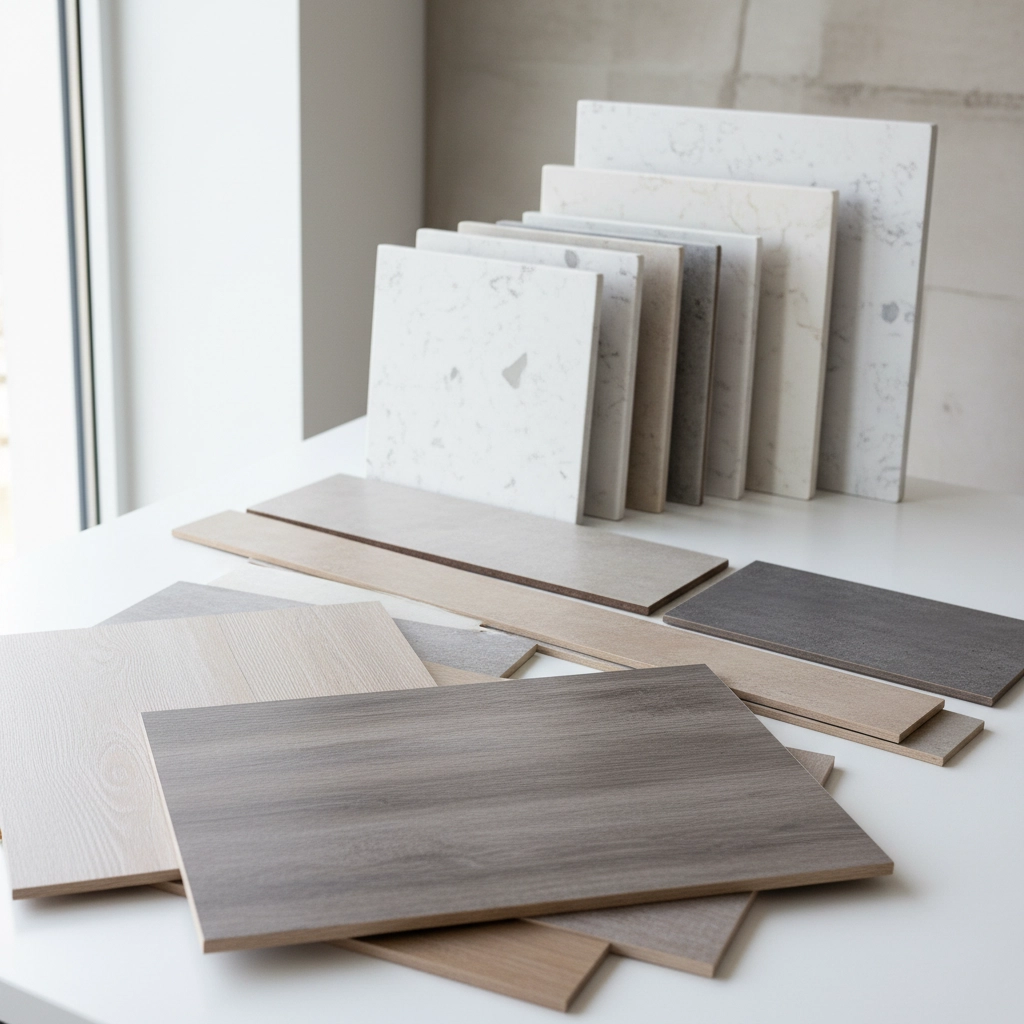
Focus on smart substitutions without sacrificing quality. Consider laminate or luxury vinyl plank flooring instead of hardwood in secondary areas. Explore composite decking materials that offer similar aesthetics to natural wood at a fraction of the cost. Quartz countertops can provide the look of natural stone while being more budget-friendly than premium granite options.
Monitor material price trends and buy strategically. Non-perishable items like fixtures, tile, and hardware can be purchased during market dips if you have secure storage. However, avoid tying up too much capital in materials that might sit unused for months.
Consider alternative sourcing options. Architectural salvage yards, contractor surplus stores, and end-of-line sales at major retailers can yield significant savings. Many high-quality materials are available at 30-50% off retail prices through these channels.
The key is balancing cost savings with project timelines and quality standards. Sometimes paying slightly more for readily available materials beats waiting months for backordered alternatives that could delay your entire project.
2. Navigate Contractor Selection Like a Pro
With labor costs accounting for roughly 20% of renovation budgets and ranging from $20 to $150 per hour, choosing the right contractor becomes critical for budget management. The current construction labor market makes this decision even more important.
Always obtain multiple competitive bids. Don't just compare bottom-line prices: evaluate what each contractor includes in their scope of work. A higher bid that includes permits, cleanup, and material delivery might actually represent better value than a lower bid with hidden costs.

Evaluate experience and efficiency over lowest price. Experienced contractors often complete work faster and with fewer costly mistakes. A contractor who charges $75 per hour but finishes in 40 hours delivers better value than one who charges $50 per hour but takes 70 hours due to inefficiency or errors.
Consider hiring a general contractor for complex projects. While it might seem more expensive upfront, a skilled general contractor can coordinate subcontractors efficiently, potentially saving money compared to managing multiple specialists yourself. They also have established relationships with suppliers, often accessing better material pricing.
Check references and verify licenses thoroughly. Hiring an unlicensed or inexperienced contractor to save money often results in costly corrections, delays, and potential safety issues that far exceed any initial savings.
3. Embrace Phased Renovation Strategies
Rather than attempting a complete home transformation simultaneously, prioritize high-impact areas and tackle projects in manageable phases. This approach offers multiple advantages in today's volatile cost environment.
Start with cosmetic improvements that deliver maximum impact. Fresh paint, updated lighting fixtures, and modern cabinet hardware can dramatically transform spaces for relatively modest investment. These improvements also help you live more comfortably in your home while saving for larger structural projects.
Phase electrical and plumbing work strategically. Since mechanical systems represent up to 36% of renovation costs, timing these upgrades carefully can help manage cash flow. Consider grouping related work: updating all electrical in one phase rather than piecemeal upgrades that require multiple service calls.

Use seasonal timing to your advantage. Many contractors offer better pricing during slower winter months. Outdoor projects like decks and patios often cost less when scheduled during off-peak seasons, though Northern California's mild climate provides more flexibility than other regions.
Build flexibility into your phasing plan. Market conditions and unexpected discoveries (like hidden structural issues) can impact timelines and costs. Having contingency plans for each phase helps you adapt without derailing your entire renovation timeline.
4. Integrate DIY Work Strategically
Selectively handling appropriate tasks yourself can significantly reduce labor costs, but success requires honest assessment of your skills and available time. Focus on projects where you have confidence and the right tools.
Target high-impact, low-risk DIY projects. Painting remains one of the best DIY investments, potentially saving $2,000-$5,000 on a whole-house paint job. Simple door replacements, basic shelving installation, and landscaping work also offer good DIY potential for most homeowners.
Avoid DIY work on critical systems. Leave HVAC, plumbing, and electrical work to licensed professionals. These systems require expertise for safety and code compliance, and improper DIY work often leads to expensive corrections. Many cities require professional installation for permit approval anyway.
Prepare properly for DIY success. Invest in quality tools for projects you'll tackle yourself: good tools make work easier and deliver better results. Watch tutorial videos, read instructions thoroughly, and don't hesitate to consult professionals for advice even if you're doing the work yourself.
Know when to call for help. If a DIY project takes significantly longer than expected or you encounter unexpected complications, bringing in a professional might actually save money compared to struggling through a project that could result in costly mistakes.
5. Plan Comprehensively and Manage Costs Proactively
Thorough upfront planning becomes even more critical when facing material volatility and supply chain uncertainties. Invest in proper planning to avoid scope creep: the budget-killing expansion of project objectives that occurs during construction.

Start with a professional home inspection. Spending $300-$500 on an inspection can identify hidden issues like electrical problems, plumbing concerns, or structural defects that could derail your budget if discovered mid-project. Addressing these issues in your initial planning prevents expensive surprises.
Secure all necessary permits before starting. Permit costs vary significantly: from $50-$300 for small kitchen updates to $1,800 for major renovations: but proceeding without proper permits can result in work stoppage, fines, and costly corrections. Research your local requirements early in the planning process.
Consider professional design consultation. Spending $100-$200 on architect or designer consultation for complex projects can prevent expensive mistakes and optimize your space usage. Professional input often identifies cost-effective solutions that homeowners might miss.
Research available incentives and grants. California offers various rebates for energy-efficient upgrades, and some local jurisdictions provide additional incentives for specific improvements. These programs can offset renovation costs significantly, particularly for HVAC upgrades, insulation improvements, or solar installations.
Build realistic contingencies into your budget. Most experts recommend adding 10-20% to your estimated costs for unexpected issues. In the current volatile market, leaning toward the higher end of this range provides better protection against cost overruns.
Making Your 2025 Remodel Budget Work
Successfully navigating today's construction cost landscape requires strategic thinking, careful planning, and realistic expectations. The combination of material price volatility, labor shortages, and supply chain challenges makes budget management more complex than in previous years.
However, homeowners who apply these five strategies systematically can still achieve their renovation goals within reasonable budgets. The key lies in balancing cost optimization with quality standards, timing projects strategically, and working with experienced professionals who understand current market conditions.
Whether you're planning a kitchen remodel, bathroom renovation, or larger home addition, these budget maximization strategies will help ensure your project delivers the results you want without financial strain. Remember that the cheapest option rarely proves to be the best value in the long run: focus on optimizing cost while maintaining quality standards that will serve your home well for years to come.
For complex projects requiring professional expertise, consider consulting with experienced contractors who understand both current market conditions and proven cost management strategies. The right professional partnership can make the difference between a budget-busting renovation and a successful project that enhances your home's value and your family's comfort.
Interested in consulting on your project? Rimant Construction’s team can help weigh your options and create a tailored plan( reach out anytime for a conversation about your goals.)
916-690-4324
info@rimantconstruction.com
rimantconstruction.com
Disclaimer, these are opinions, and as always you should consult your local planning authority and a licensed general contractor before you start construction work.


Comments
Post a Comment