The Ultimate Guide to Fire-Resistant Home Upgrades: Everything Placer County Homeowners Need to Know in 2025
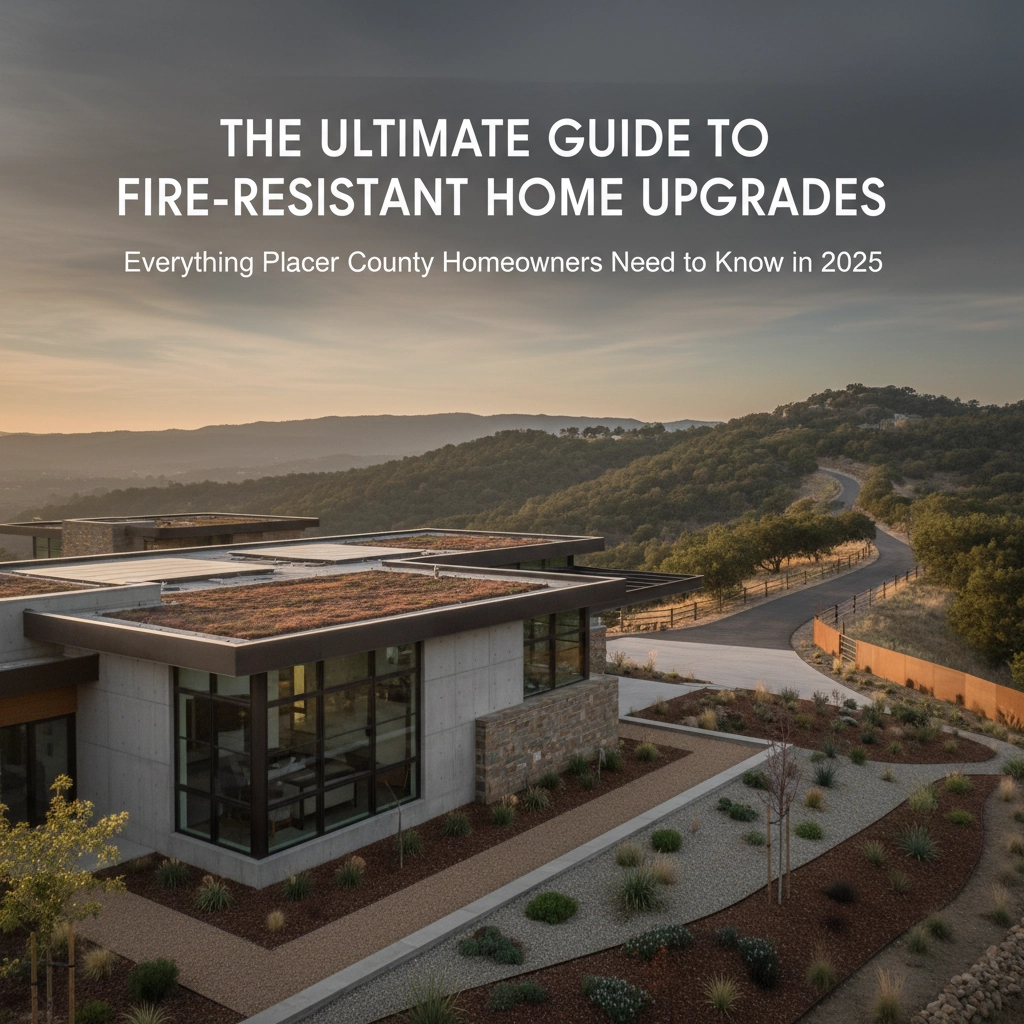
Living in Placer County means dealing with wildfire risk as a fact of life. But here's the thing – 2025 brought some major changes that every homeowner needs to know about. The county rolled out new Fire Hazard Severity Zone maps this past May, and they're not just suggestions. These maps come with real requirements that could affect your insurance, your property value, and most importantly, your family's safety.
Whether you're in Auburn, Roseville, or the more rural parts of the county, understanding these new rules and the upgrades that can protect your home isn't just smart – it's essential. Let's break down everything you need to know to keep your property safe and compliant.
Understanding Placer County's New Fire Zone Classifications
The county's updated Fire Hazard Severity Zone maps aren't just pretty colors on a website. They use 50 years of climate data, fire history, terrain analysis, and fuel load projections to classify unincorporated areas into three categories: moderate, high, and very high fire hazard zones.
Here's what each zone means for you:
Moderate Fire Hazard Zones have basic defensible space requirements and standard building codes. Most suburban areas fall into this category.
High Fire Hazard Zones require enhanced defensible space maintenance and stricter building standards for new construction or major renovations.
Very High Fire Hazard Zones come with the most stringent requirements – comprehensive defensible space standards, mandatory home hardening features, and specific building codes that apply even to smaller renovation projects.

If you're selling your home, you're now legally required to disclose which fire zone your property sits in. And if you're planning any major renovations, these designations determine which building codes apply to your project.
Roof Requirements That Actually Matter
Your roof is your first line of defense against flying embers, which cause about 90% of home ignitions during wildfires. Placer County now requires all roof assemblies to meet Class A fire classification standards – no exceptions, regardless of which fire zone you're in.
When Roof Upgrades Become Mandatory
If you're replacing more than 50% of your roof area within a single year, the entire roof covering must meet Class A fire-retardant standards. This applies to:
- New construction in any FHSZ area
- Complete re-roofing projects
- Major additions or remodels where roof, siding, and windows are all being replaced
Gutter and Debris Protection
Your gutters need protection against leaf and debris accumulation. Gutter guards aren't just a convenience anymore – they're a requirement in many situations. Hip and ridge caps must be properly mudded to prevent ember intrusion, and bird stops should be installed at eaves to keep debris from building up.
Class A Materials That Work
Asphalt composition shingles, clay tiles, concrete tiles, and metal roofing all meet Class A standards when properly installed. The key is ensuring your roof underlayment also meets fire-resistant specifications, tested according to ASTM E108 or UL 790 standards.
Protecting Your Home's Vulnerable Entry Points
Embers don't need a big opening to start a fire. They're sneaky, finding their way through vents, gaps in eaves, and even the smallest cracks around windows and doors.
Vent Systems
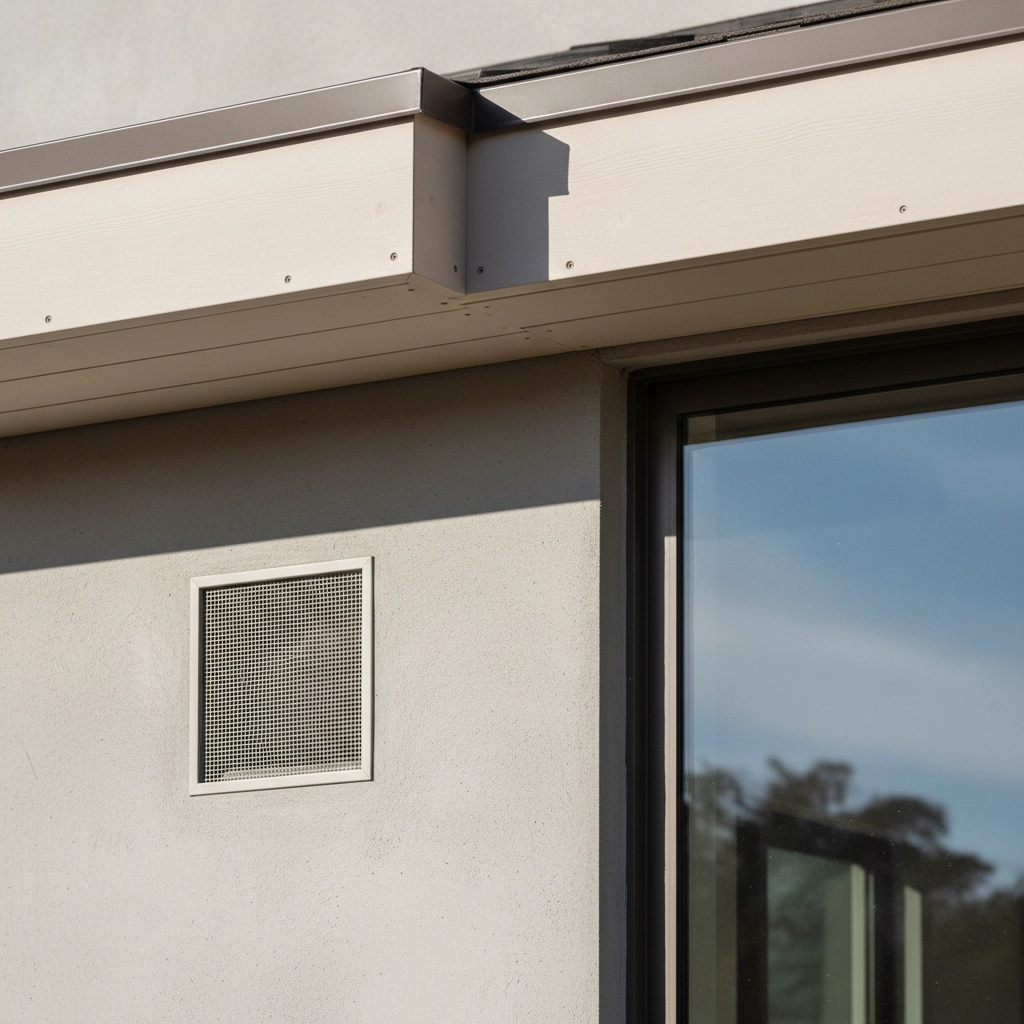
Standard plastic or fiberglass mesh vents are basically ember welcome mats. They melt and burn, creating bigger openings for fire to enter. Replace them with ember and flame-resistant vents specifically designed for wildland-urban interface applications. These WUI vents cost more upfront but can save your entire home.
Eaves and Soffits
Open eaves are ember collectors. Box them in completely to eliminate gaps where wind-driven embers might accumulate. This means no exposed rafter tails or open spaces between the roof and exterior walls.
Windows and Doors
While not always mandated, dual-pane tempered glass windows perform significantly better than standard single-pane windows during wildfire conditions. Weather stripping around doors and windows should be in good condition to prevent ember entry through gaps.
Extended Structure Requirements
Fire doesn't stop at your house walls. Decks, sheds, and other structures can become pathways for fire to reach your main home.
Deck Standards
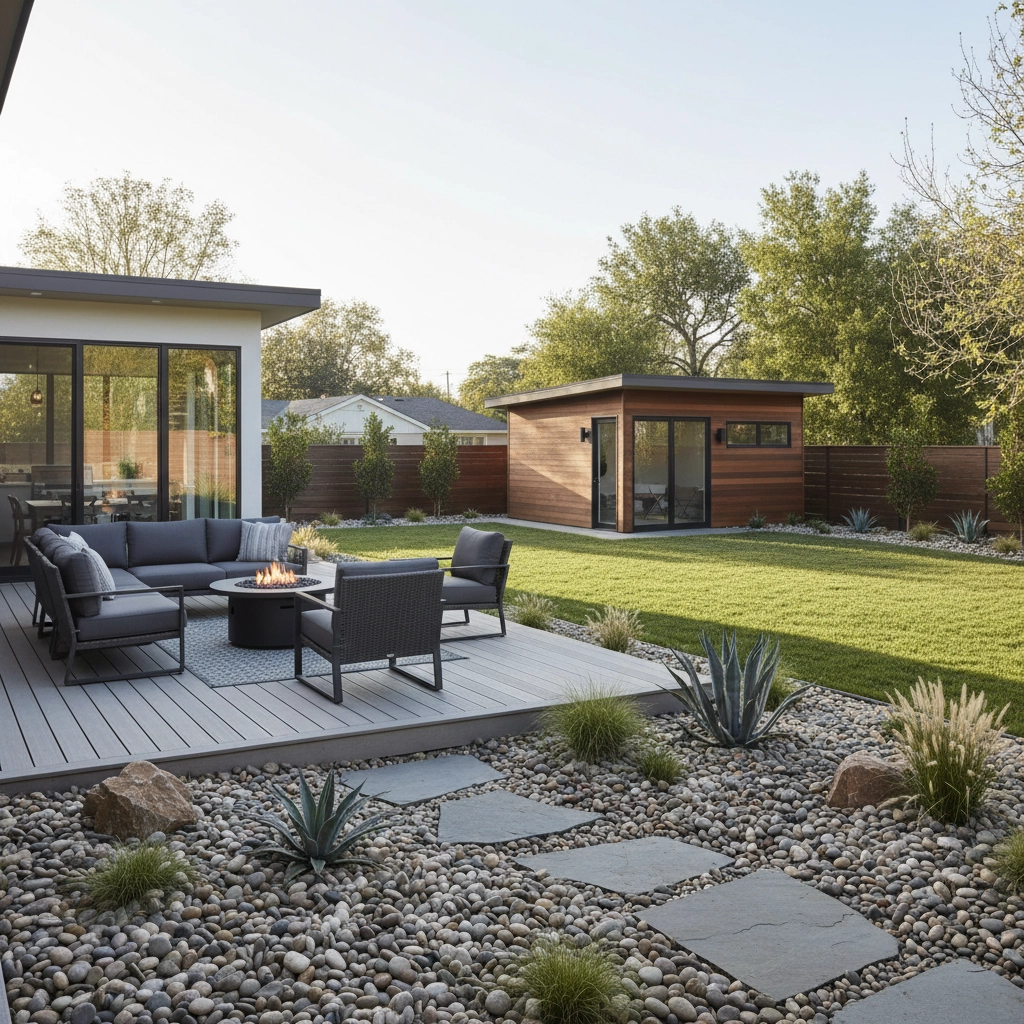
Any detached building over 500 square feet or within 50 feet of your main house must meet fire-resistant standards. For decks, this means fire-resistant walking surfaces and proper flashing installation. The area under and around decks should be kept clear of combustible materials.
Accessory Structures
That cute garden shed or workshop? If it's within 50 feet of your house, it needs to meet the same fire-resistant standards. Trellises, arbors, patio covers, and gazebos that attach to or sit within five feet of your home must comply regardless of size.
Smart Material Choices for Maximum Protection
Not all fire-resistant materials are created equal. Some perform better in real-world conditions, while others just meet minimum standards.
Exterior Siding Options
Fiber cement siding, stucco, and brick offer excellent fire resistance. Wood siding can work if it's properly treated, but it requires more maintenance. Vinyl siding should be avoided in high-risk areas – it melts and can spread fire quickly.
Landscaping Materials
Decorative rock, gravel, and concrete work well in defensible space zones. Avoid wood mulch within 30 feet of structures – use rock mulch or other non-combustible alternatives instead.
Insurance Realities in 2025
Let's talk about the elephant in the room – getting fire insurance in Placer County is getting harder and more expensive. Many homes now rely on the California FAIR Plan because traditional insurers won't provide coverage in high-risk areas.
FAIR Plan Basics
The FAIR Plan provides basic fire insurance coverage when you can't get traditional insurance. It's more expensive and offers less coverage than standard policies, but it's better than nothing. Currently, it covers up to $3 million for residential properties.
Discounts for Home Hardening
Many insurers now require proof of home hardening and defensible space maintenance to qualify for discounts. Keep detailed records of all fire-resistant improvements, including receipts, photos, and professional certifications. Some insurers offer discounts of 10-20% for documented home hardening efforts.
Common Mistakes That Cost Money and Safety
Even well-intentioned homeowners make mistakes that can undermine their fire protection efforts.
Storage Issues
Don't store firewood, propane tanks, or other combustible materials against your house. Keep them at least 30 feet away from structures. That includes decorative wood features and outdoor furniture during high-risk periods.
Vegetation Management
Maintaining defensible space isn't a one-time project. It requires ongoing attention. Trees need regular pruning, dead vegetation must be removed promptly, and landscaping requires seasonal maintenance to stay effective.
Maintenance Neglect
Fire-resistant features need regular upkeep to remain effective. Inspect and clean gutters seasonally, check vent screens for damage, replace worn weather stripping, and ensure fire-resistant materials haven't degraded over time.
Taking Action: Your Next Steps
Start with an honest assessment of your property's current fire resistance. Walk around your home and identify vulnerable areas – open eaves, plastic vents, combustible siding, or debris accumulation points.
For major upgrades like roofing or siding replacement, work with contractors familiar with Placer County's fire-resistant requirements. Not all contractors understand the specific standards that apply to different fire hazard zones.
Consider bundling improvements to maximize both protection and potential insurance discounts. Combining roof replacement with vent upgrades and defensible space work often provides better value than tackling projects separately.
Document everything. Take before and after photos, keep all receipts, and maintain records of maintenance activities. Your insurance company will want proof of your fire-resistant improvements.
The investment in fire-resistant home upgrades pays dividends in safety, insurance savings, and peace of mind. In Placer County's changing wildfire landscape, these aren't just nice-to-have features – they're essential protection for your family and your investment.
Ready to get started on fire-resistant upgrades for your Placer County home? At Rimant Construction, we understand the local requirements and can help you create a comprehensive fire protection plan that fits your budget and timeline.
Contact us for a free consultation on making your home safer and more resilient.
rimantconstruction.com
Disclaimer, these are opinions, and as always you should consult your local planning authority and a general contractor before you start construction work


Comments
Post a Comment