Remodeling for Mountain Living
Remodeling for Mountain Living: Why Tahoe Projects Require a Different Approach Than Sacramento Builds
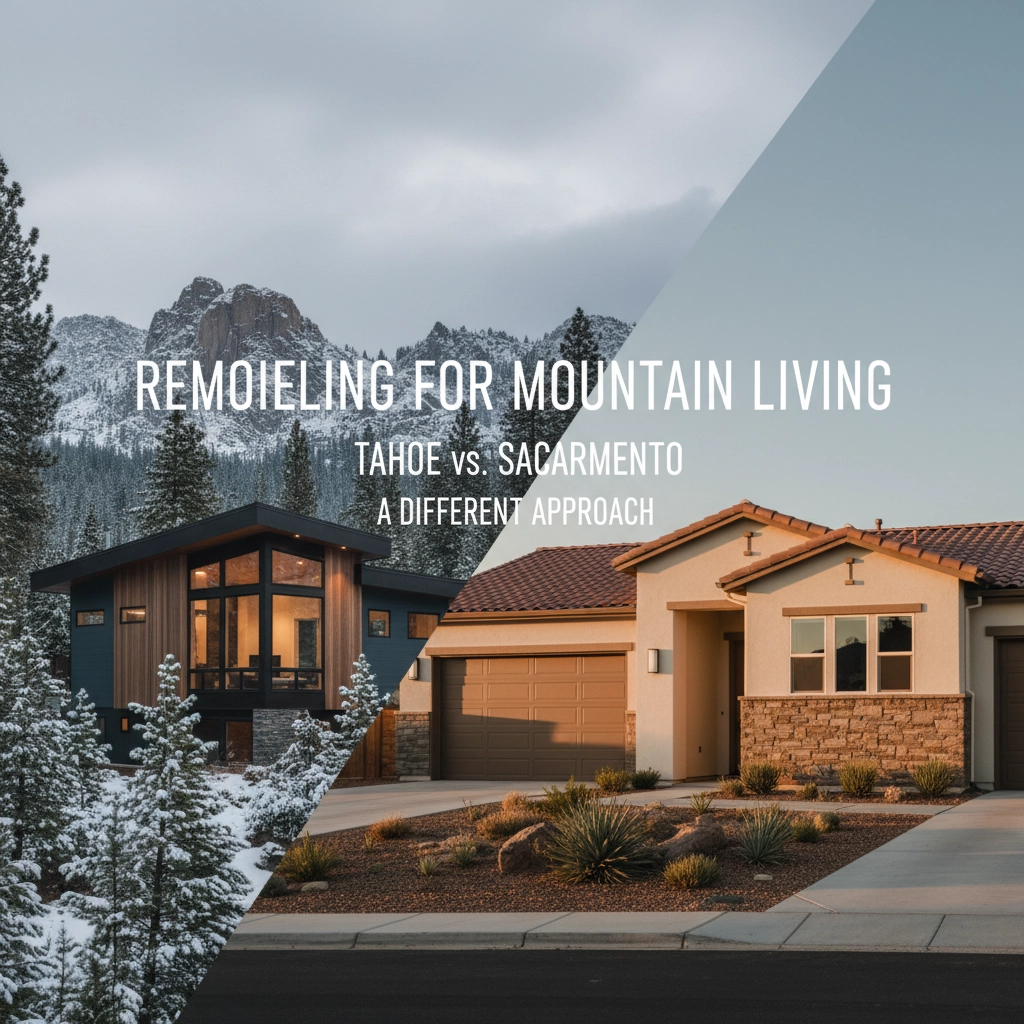
Remodeling projects in the Lake Tahoe region require fundamentally different approaches compared to standard builds in Sacramento. The mountain environment creates unique challenges that demand specialized expertise, materials, and construction methods. Understanding these differences is crucial for homeowners planning renovation projects in either location.
Environmental and Climate Challenges
The elevation difference between Sacramento and Tahoe creates dramatically different construction environments. Lake Tahoe sits at approximately 6,500 feet above sea level, subjecting buildings to atmospheric pressures and temperature variations that Sacramento projects never encounter.
Temperature Extremes and Material Stress
Mountain construction faces annual temperature swings that place enormous stress on building materials through constant expansion and contraction cycles. Sacramento's moderate Mediterranean climate allows for standard material selections, while Tahoe's extreme temperature variations require specialized materials engineered for mountain conditions.
High wind exposure combined with proximity to Lake Tahoe generates environmental forces that demand enhanced structural considerations. Building envelopes must withstand significantly higher pressure differentials and weather loading than typical valley construction.
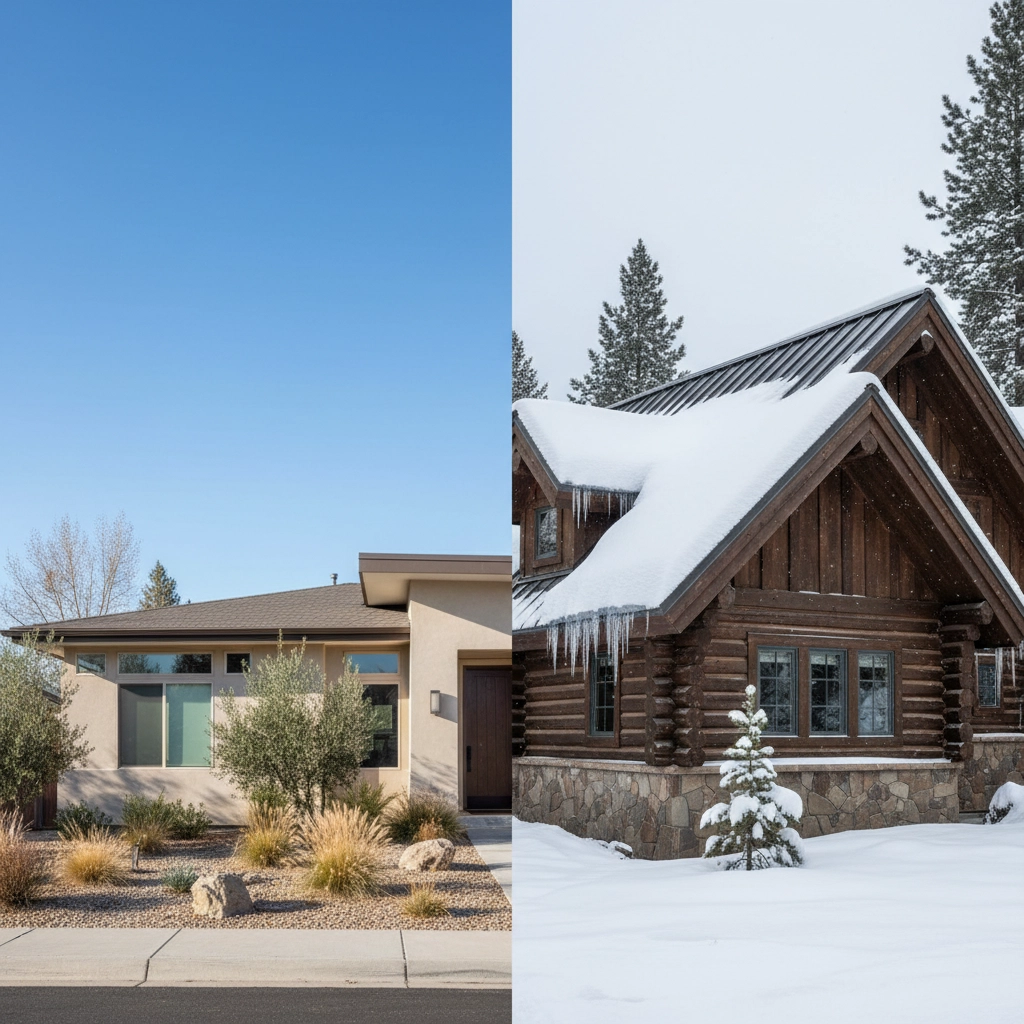
Perhaps the most obvious difference is snow load capacity. Tahoe buildings must support substantial snow accumulations that Sacramento structures never face. This requirement affects everything from roof design and structural framing to foundation specifications and drainage systems.
Snow storage areas become mandatory design elements in Tahoe projects. Properties must allocate a minimum of 30% of driveway area specifically for snow storage, a requirement that doesn't exist in Sacramento where snow removal is rarely a concern.
Regulatory Framework and Permitting
California has implemented exceptionally stringent building codes specifically for the Tahoe basin, primarily due to the combination of seismic vulnerability and substantial snow load requirements. These regulations far exceed typical Sacramento building standards.
Tahoe Regional Planning Agency (TRPA) Requirements
The TRPA imposes construction restrictions that don't apply to Sacramento projects. Major construction is prohibited between November and May, creating a compressed building season that fundamentally alters project planning and execution strategies.
Architectural Standards and Coverage Limitations
Tahoe communities enforce strict architectural standards that Sacramento builders rarely encounter:
- Total site coverage limitations of 35% for single-family residential lots
- Mandatory 20-foot front setback requirements
- Natural landscaping material requirements (artificial alternatives require special approval)
- Minimum square footage requirements that vary by zone
- Specific elevation and benchmark compliance standards
Environmental Protection Requirements
Lake Tahoe's status as a protected watershed creates additional regulatory layers. Erosion control requirements are more stringent, and environmental impact considerations extend beyond typical Sacramento permitting processes.
Construction Season Constraints
The compressed construction window represents one of the most significant operational differences between Tahoe and Sacramento projects.
Seasonal Construction Limitations
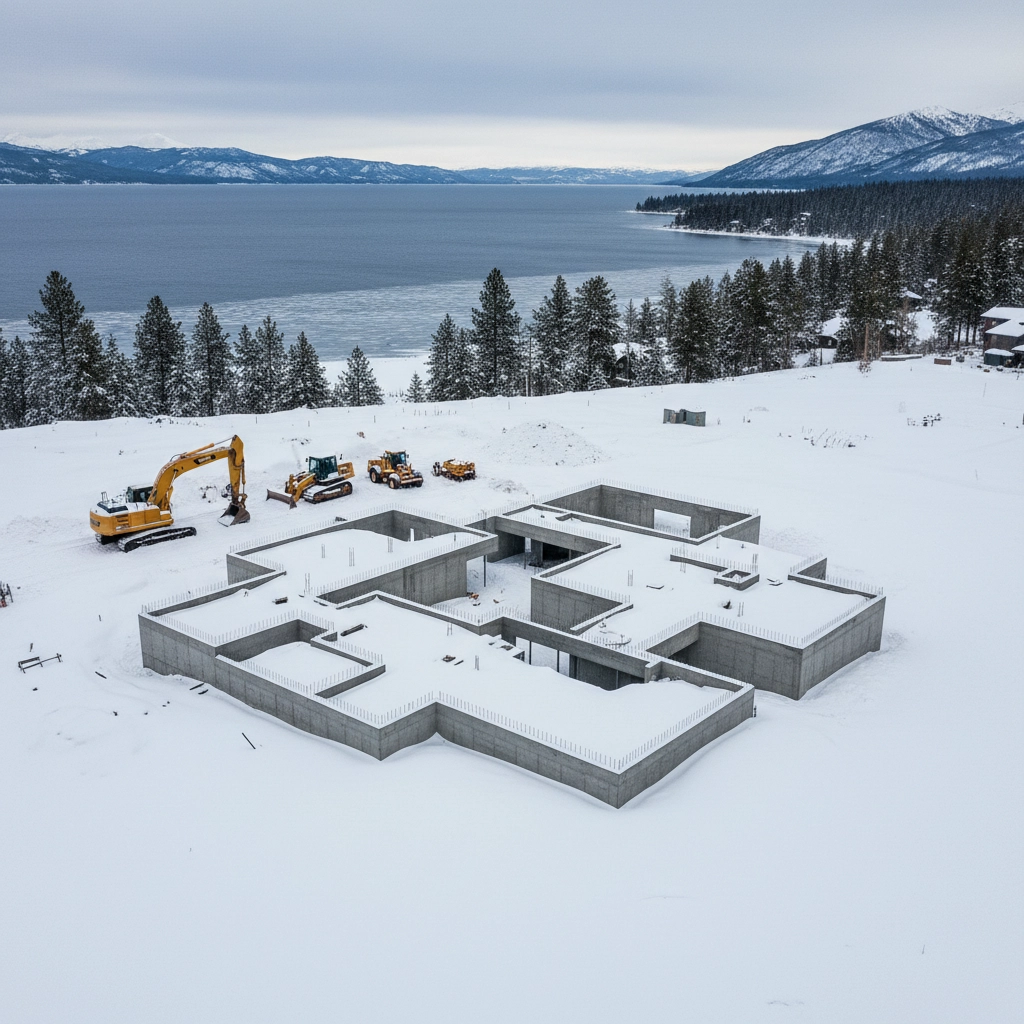
While Sacramento allows year-round construction with minimal weather-related delays, Tahoe's construction season effectively runs from May through October. This six-month window must accommodate all major construction activities, creating intense scheduling pressures.
Modular Construction Advantages
The shortened construction season has driven innovation in mountain building techniques. Modular construction has gained significant traction in Tahoe's market because factory work can begin in March while site preparation starts in May, allowing projects that would typically require 18 months in Sacramento to be completed in 6-8 months.
Weather-Related Logistical Challenges
Material delivery, equipment transportation, and worker access all become significantly more complex in mountain environments. Sacramento's reliable road access and mild weather allow for consistent construction progress, while Tahoe projects must account for potential weather-related delays and access limitations.
Material and Design Specifications
Mountain construction demands specialized technical expertise in materials selection and design approaches that differ markedly from valley construction requirements.
Tahoe projects require high-performance glazing systems engineered for extreme temperature differentials and high wind loads. Standard Sacramento window specifications are insufficient for mountain conditions, necessitating specialized glazing with enhanced thermal performance and structural ratings.
Weatherproofing and Protective Coatings
The complexity of Tahoe's environmental challenges requires protective coatings and weatherproofing systems designed for extreme mountain conditions. These specialized materials often carry premium costs and require installation by experienced mountain construction professionals.

Structural Engineering Considerations
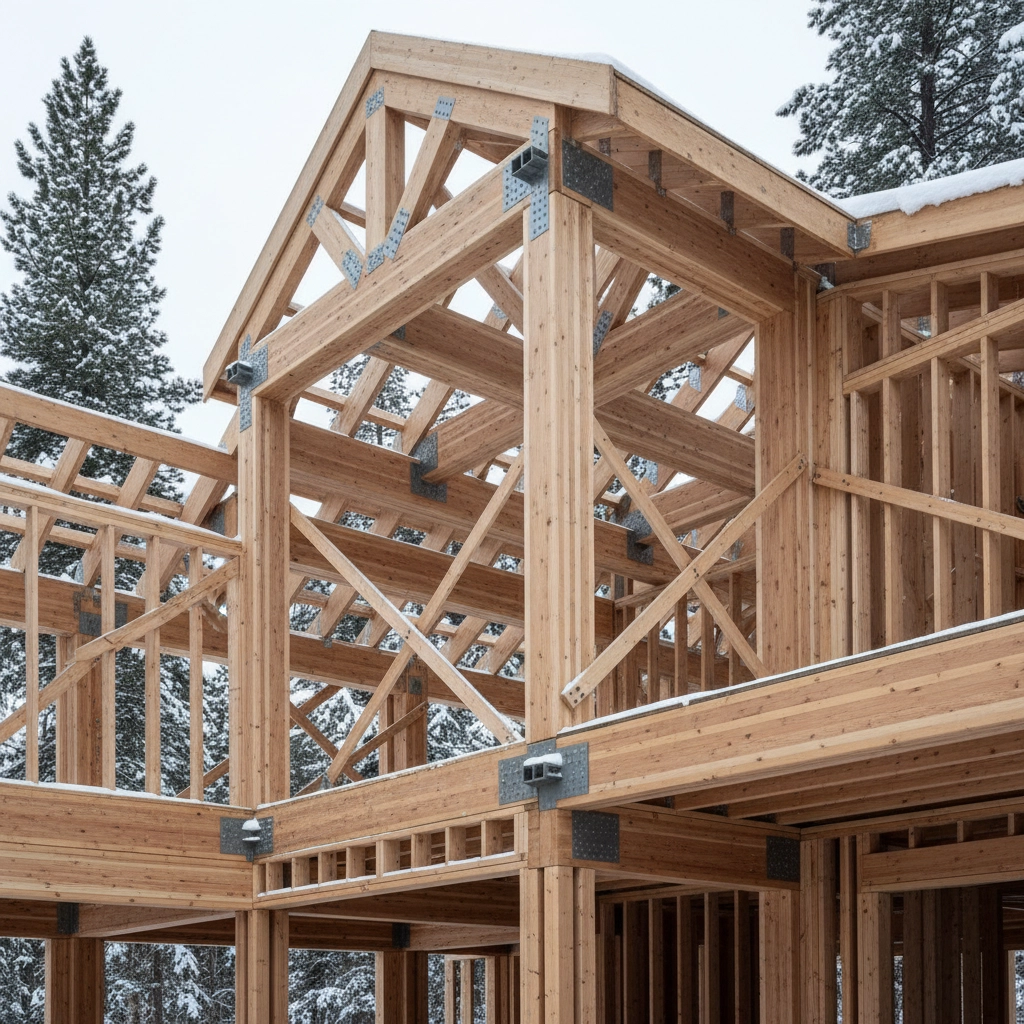
Seismic activity combined with snow loads creates unique structural requirements. Foundation systems must handle freeze-thaw cycles that Sacramento foundations never experience, while framing must support both lateral seismic forces and vertical snow loads simultaneously.
Insulation and Energy Efficiency
Tahoe's extreme temperature variations demand superior insulation performance compared to Sacramento's moderate climate. Energy efficiency becomes critical for both comfort and operational cost management in mountain environments.
Project Planning and Timeline Considerations
The differences between Tahoe and Sacramento construction extend beyond physical requirements to fundamental project management approaches.
Extended Pre-Construction Phase
Tahoe projects require more extensive pre-construction planning to maximize the limited building season. Design development, permit acquisition, and material procurement must be completed well in advance of the construction window.
Material Procurement and Logistics
Transportation costs for materials increase significantly in mountain locations, and delivery scheduling becomes more complex. Sacramento projects benefit from proximity to material suppliers and predictable delivery schedules, while Tahoe projects must account for longer lead times and potential access restrictions.
Specialized Labor Requirements
Mountain construction requires contractors experienced with high-altitude building conditions and specialized mountain construction techniques. The labor pool in Tahoe differs significantly from Sacramento's broader construction market, often requiring premium rates for experienced mountain builders.
Cost Implications and Value Considerations
While clients often initially pursue mountain construction hoping for cost savings, Tahoe projects typically focus on time savings rather than cost reduction.
Premium for Mountain Expertise
Specialized labor requirements, transportation costs for materials, and the need for weather-resistant construction techniques often result in comparable or higher costs than traditional Sacramento builds, but with significant timeline advantages when properly executed.
Predictable Construction Processes
The predictable construction process offered by specialized mountain building techniques provides crucial advantages in an environment where weather delays can be catastrophic to project timelines and budgets. This predictability becomes essential when working within a compressed construction season.
Long-term Performance Value
Mountain construction's higher initial costs often translate to superior long-term performance and reduced maintenance requirements compared to standard construction methods adapted for mountain use.
Making the Right Choice for Your Project
Choose Sacramento-style approaches if:
- Your project allows for extended timelines
- Cost minimization is the primary concern
- Standard building materials meet your performance requirements
- Year-round construction flexibility is important
Choose specialized mountain approaches if:
- Timeline predictability is crucial
- Your project requires completion within a compressed season
- Environmental conditions demand specialized materials
- Long-term performance and durability are priorities
Understanding these fundamental differences ensures realistic project expectations and successful outcomes regardless of location. For Tahoe projects, engaging contractors with proven mountain construction experience becomes essential for navigating the unique challenges that mountain environments present.
The investment in specialized mountain construction approaches typically pays dividends through faster project completion, superior long-term performance, and reduced weather-related complications that can derail traditional construction methods in challenging mountain environments.
Interested in consulting on your project? Rimant Construction’s team can help weigh your options and create a tailored plan( reach out anytime for a conversation about your goals.)
Disclaimer, these are opinions, and as always you should consult your local planning authority and a licensed general contractor before you start construction work.


Comments
Post a Comment