Outdoor Living Spaces vs. Indoor Additions: Which Upgrade is Right for Your Family?
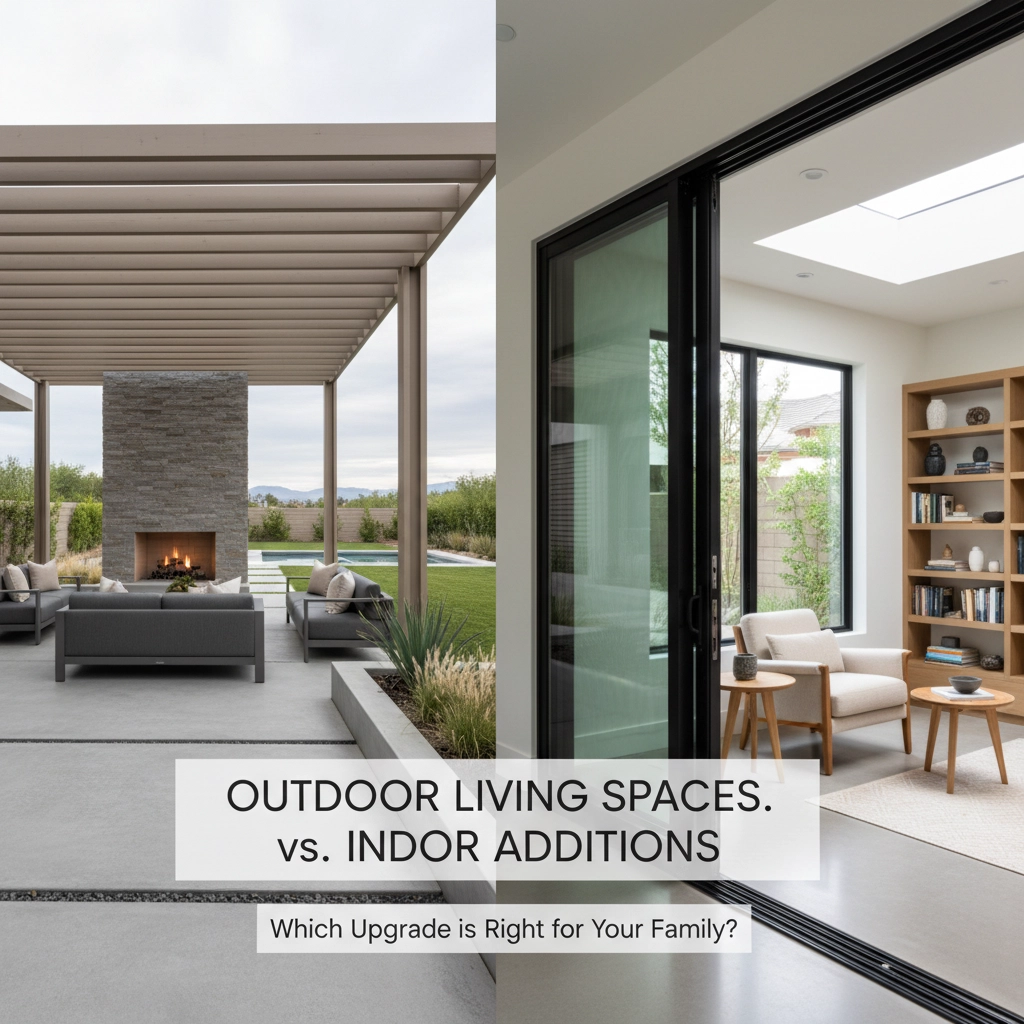
When weighing a home improvement project that increases living space, homeowners often find themselves choosing between outdoor living spaces and indoor additions. Each option offers distinct advantages, limitations, and impacts on both daily life and home value. The best choice depends on lifestyle needs, regional climate, budget, and long-term goals. This guide details features, costs, timelines, and key considerations for each upgrade, ending with actionable recommendations based on different family scenarios.
The Case for Outdoor Living Spaces
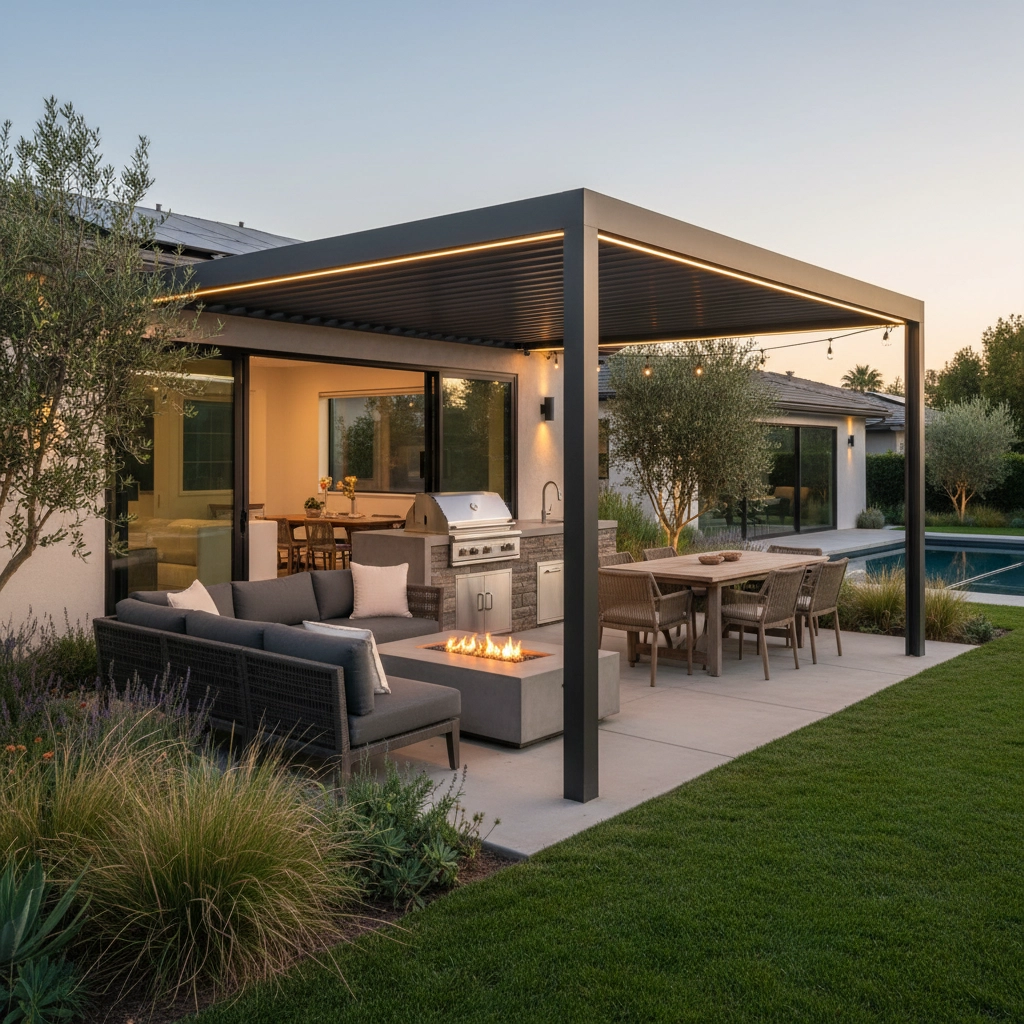
Outdoor living spaces are purpose-built extensions designed for relaxation, entertainment, and seamless blending with the outdoors. Options include patios, decks, pergolas, screened porches, and fully outfitted outdoor kitchens.
Pros
- Cost-Effective Square Footage
Typical investment: $45,000–$100,000. This cost is dramatically lower than most full indoor expansions, putting improved function and appeal within reach for many households. - Shorter Timelines
Projects often complete in weeks or a few months: faster than indoor construction. - Entertainment Potential
Covered patios, fire pits, and outdoor kitchens accommodate large gatherings and create a distinct zone for socializing. - Connection with Nature
Enhanced light, air, and greenery encourage family time outside. - Strong Return on Investment
Well-designed spaces can add 10–15% to resale value, especially in regions with long outdoor seasons.
Cons
- Weather Dependency
Seasonal temperature swings, windy days, rain, and insects can lessen utility. - Limited Climate Control
Even with shade structures or screens, these spaces don’t provide the full insulation and comfort of interior rooms. - Ongoing Maintenance
Exposure to the elements means more frequent cleaning and periodic repairs: deck refinishing, grill upkeep, or replacing outdoor fabrics.
Indoor Additions: Permanent, Climate-Controlled Space
Indoor additions range from full-size room expansions to specialized sunrooms and flex spaces. They create new, fully insulated, and HVAC-integrated space within the home’s permanent footprint.
Pros
- Year-Round Comfort
Integration with heating and air conditioning ensures 24/7 usability, no matter the weather. - Seamless Integration
Additions can serve as bedrooms, offices, playrooms, or family dens: connecting directly to hallways or living spaces. - Real Square Footage Gain
Most indoor projects add to the legal square footage of your home, potentially boosting appraisal values. - Versatility
Custom design allows for tailored rooms to meet evolving family needs.
Cons
- High Cost
Projects typically range from $100,000–$300,000 or more, with $100–$300 per square foot as a reliable estimate. - Longer Timelines
Expect several months to over a year for planning, permitting, and construction. - More Complex Permitting
Local codes dictate setback requirements, maximum lot coverage, and design review. This can extend timelines or constrain designs, especially in California. - Disruption
Construction may mean temporary noise, dust, or altered home routines.
Factors to Consider
Cost Comparison
- Outdoor Living Spaces: $45,000–$100,000
- Indoor Additions: $100,000–$300,000+
While outdoor spaces offer substantial benefits per dollar spent, indoor additions yield permanent, climate-controlled space.
Construction Timeline
- Outdoor Spaces: Often weeks to a few months
- Indoor Additions: Several months to a year or longer
Climate & Regional Suitability
- Northern California: Many areas can use outdoor living spaces most of the year, but evenings can get chilly, and wet winters may limit use without heat or enclosures.
- Indoor additions remain functional regardless of local weather.
Zoning, Permitting & Maintenance
- Indoor additions require more detailed permits, professional plans, and sometimes approval by neighborhood associations.
- Outdoor spaces face less regulation, but building codes for decks, electrical work, or accessory structures still apply.
- Outdoor structures demand more frequent maintenance due to sun, rain, and wind exposure.
Quick Comparison Table
Pros & Cons at a Glance
Outdoor Living Spaces
- ✅ Lower initial investment
- ✅ Quicker to build
- ✅ Great for entertaining and connecting with nature
- ❌ Usability depends on local climate
- ❌ Not true “square footage” for all appraisal purposes
- ❌ Increased maintenance due to weather exposure
Indoor Additions
- ✅ Adds finished, year-round usable space
- ✅ Increases official home square footage
- ✅ More functional for changing household needs
- ❌ High upfront cost and longer disruption
- ❌ Greater regulatory/permit complexity
Should You Consider a Hybrid Approach?
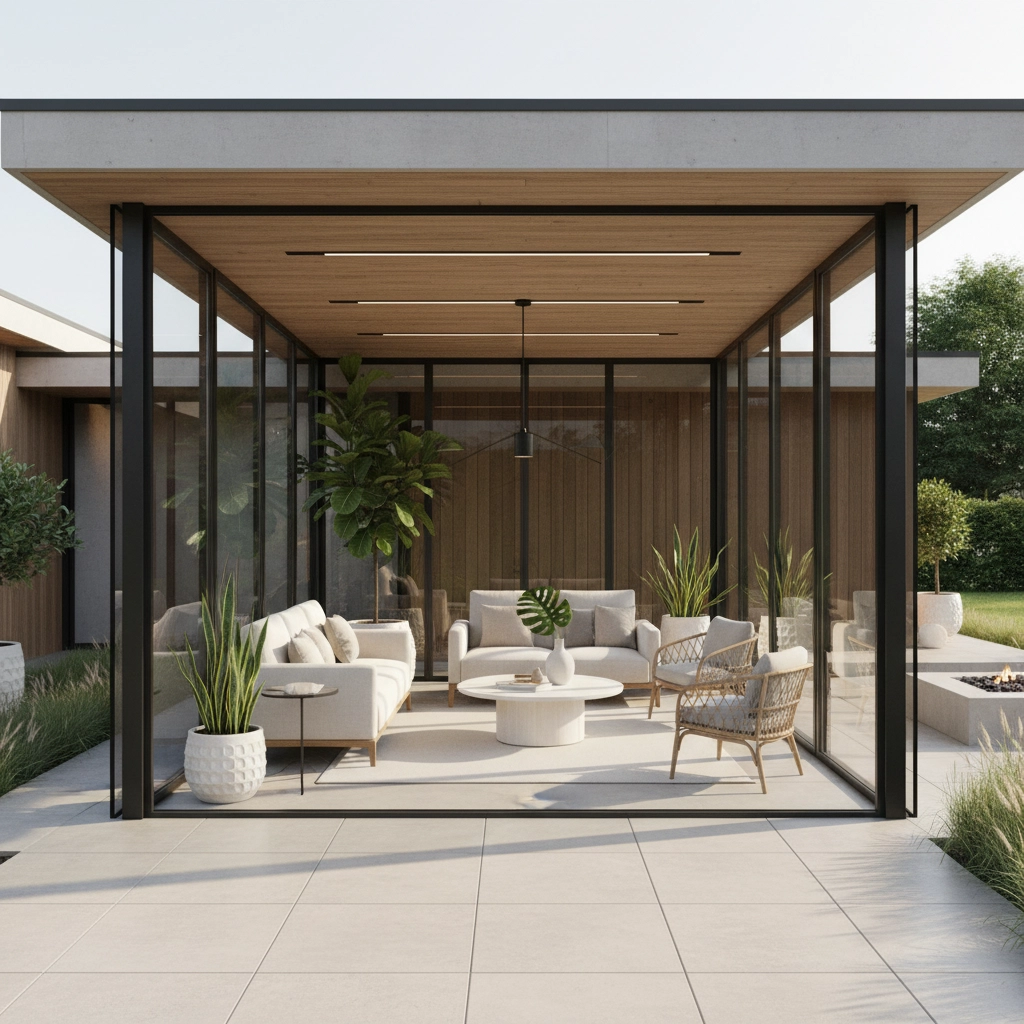
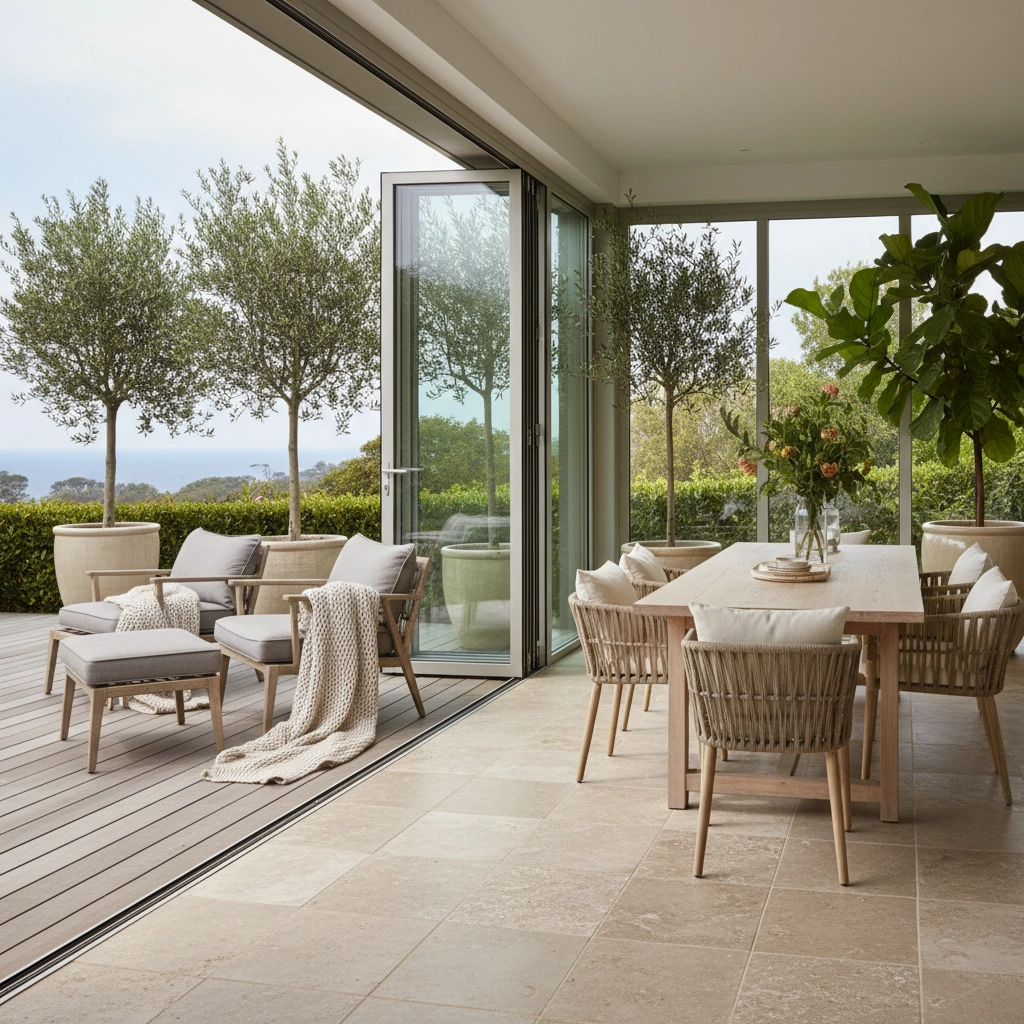
Some homeowners opt for a hybrid space: like a four-season sunroom or an enclosed patio. These rooms offer:
- Improved insulation against the elements
- Flexible indoor-outdoor feel with large windows or sliding walls
- Greater year-round usability than open patios, at a fractional cost compared to a full new living room
Hybrid solutions can provide compromise: especially in climates like Placer County and greater Sacramento, where seasonal temperature shifts are notable but mild compared to other regions.
How to Decide: Recommendations Based on Family Needs
Outdoor Living Spaces: Best if…
- You entertain frequently and prioritize open-air gatherings
- The budget is mid-range and you want quick returns
- Your region allows use of outdoor space most of the year
- You want to boost curb appeal and resale at a moderate investment
- The main goal is enhancing lifestyle and relaxation rather than year-round living space
Indoor Additions: Best if…
- Your family needs more bedrooms, a home office, or a specialized room
- Consistent comfort and utility across all seasons is critical
- Budget and timeline allow for a larger, more complex project
- Maximizing total home square footage for appraisals or long-term resale is essential
- Strict privacy or soundproofing is a priority for the space
Hybrid Spaces: Consider if…
- Flexibility matters: a sunroom or enclosed patio can function as an indoor lounge much of the year
- You want to balance cost, comfort, and versatility
- Your home’s architecture lends itself to a semi-outdoor transition space
Regional & Regulatory Takeaways
- Placer County & Greater Sacramento: Outdoor spaces are popular and often usable much of the year but may require heaters, shade, or enclosures for full comfort.
- All additions: indoor, outdoor, or hybrid: require compliance with local ordinances and permitting. Always engage a licensed general contractor familiar with regional requirements.
- Enhanced wildfire resistance, water efficiency, and stormwater management should be part of any project planning in California.
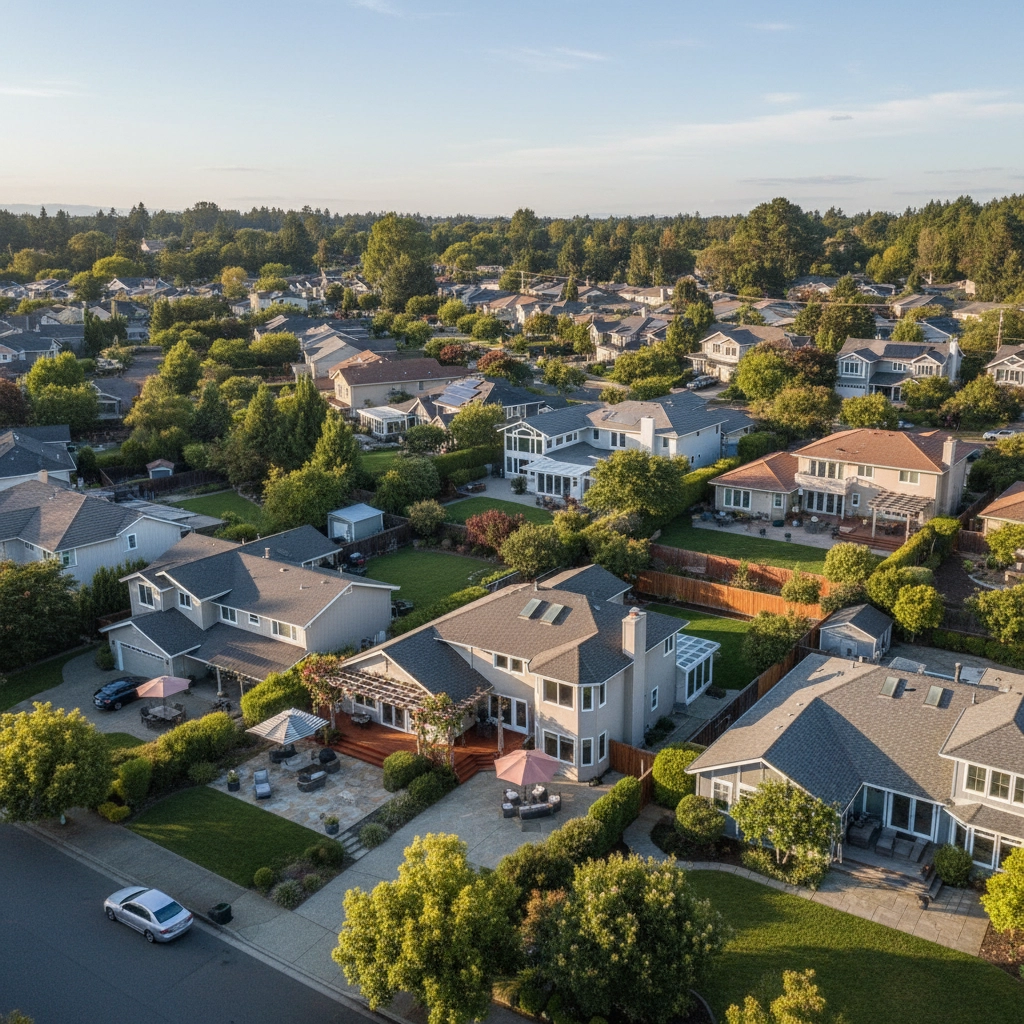
Summary: Which Upgrade is Right for You?
Selecting the ideal expansion depends on function, investment, and lifestyle. Outdoor living spaces maximize entertainment, curb appeal, and rapid returns at a modest price. Indoor additions provide full integration and practical space for evolving needs but come with higher complexity, cost, and longer lead times.
Whichever path you choose, collaborate with experienced professionals familiar with California code, climate, and design trends. For inspiration or to explore designs, view project examples in the Rimant Construction gallery: https://rimantconstruction.com/gallery
Interested in consulting on your project? Rimant Construction’s team can help weigh your options and create a tailored plan( reach out anytime for a conversation about your goals.)
916-690-4324
info@rimantconstruction.com
rimantconstruction.com
Disclaimer, these are opinions, and as always you should consult your local planning authority and a general contractor before you start construction work.


Comments
Post a Comment