ADU vs Home Addition
ADU vs Home Addition: Which Is Better For Your Sacramento Property in 2025?
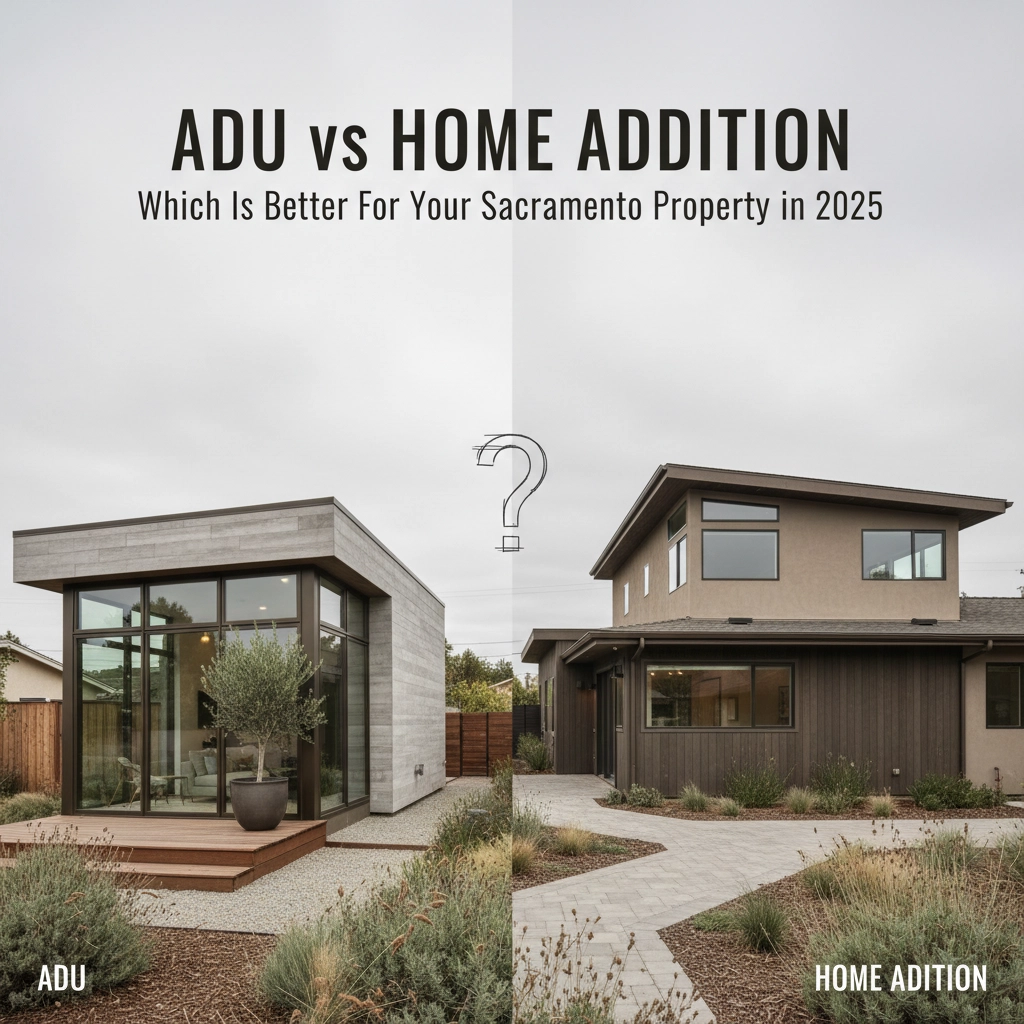
Sacramento property owners looking to expand their living space in 2025 face an important decision: build an Accessory Dwelling Unit (ADU) or add onto their existing home. Both options can significantly increase property value and improve quality of life, but they serve different purposes and come with distinct advantages and challenges.
Understanding the differences between these two expansion strategies is crucial for making the right investment decision for your specific situation and long-term goals.
Understanding ADUs: Independent Living Units
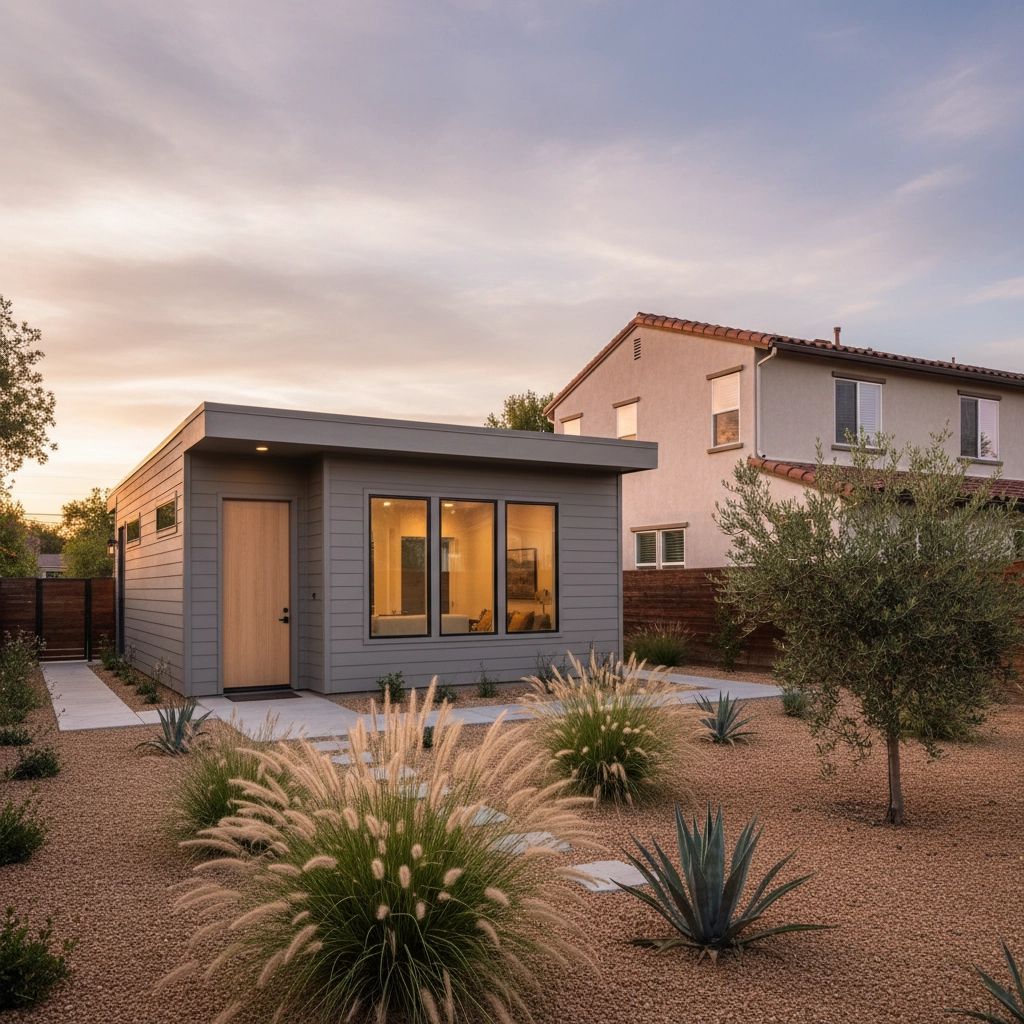
An Accessory Dwelling Unit is a self-contained residential structure built on the same property as your primary home. ADUs function as completely independent living spaces, featuring their own kitchen, bathroom, sleeping area, and separate entrance.
In Sacramento, ADUs can take several forms:
- Detached ADUs: Standalone structures built separately from the main house
- Attached ADUs: Units connected to the primary residence but with independent access
- Garage conversions: Converting existing garage space into livable units
- Above-garage units: Building living space above existing or new garages
- Basement conversions: Converting below-grade space into separate units
Sacramento County allows most single-family properties to construct at least one ADU plus one Junior ADU (JADU), regardless of lot size. This regulatory flexibility makes ADUs particularly attractive for property owners throughout the Sacramento area.
Home Additions: Expanding Your Main Living Space
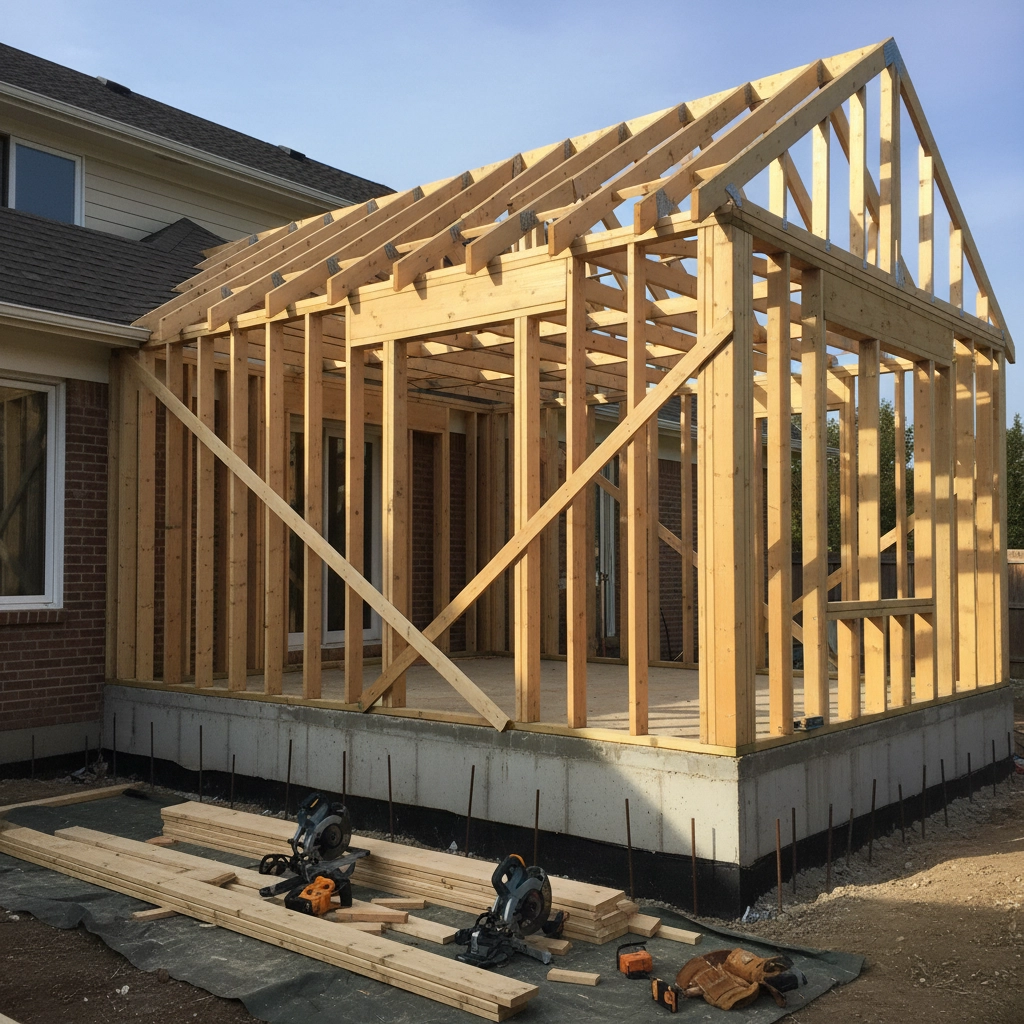
A home addition expands the square footage of your primary residence by adding new rooms or extending existing spaces. These projects typically focus on enhancing shared living areas rather than creating separate, independent units.
Common home addition types include:
- Room additions: Adding bedrooms, bathrooms, or family rooms
- Second-story additions: Building up to maximize lot usage
- Bump-outs: Small extensions to expand existing rooms
- Kitchen or bathroom expansions: Enlarging key functional spaces
- Great room additions: Creating large, open living areas
Home additions integrate seamlessly with your existing home's architecture and layout, creating more space for your family's daily activities.
Cost Analysis: Investment Comparison
The financial investment required varies significantly between ADUs and home additions.
ADU Construction Costs:
- Range: $150,000 to $400,000+
- Garage conversions: $100,000 to $200,000
- Detached new construction: $200,000 to $400,000+
- Above-garage units: $180,000 to $350,000
Home Addition Costs:
- Range: $50,000 to $150,000
- Room additions: $80 to $200 per square foot
- Second-story additions: $100 to $300 per square foot
- Kitchen expansions: $75,000 to $125,000
While ADUs require higher upfront investment, they offer potential rental income that can offset construction costs over time. Home additions provide immediate living space improvements at lower initial costs but generate no direct income.
Sacramento Regulatory Landscape for 2025
Sacramento's ADU regulations have been streamlined to encourage construction, creating favorable conditions for property owners.
ADU Requirements:
- Maximum size: 1,200 square feet for detached units
- Setbacks: As little as 4 feet from rear and side property lines
- Parking: One space required, but exceptions available
- Height limits: 16 feet for detached ADUs
- No lot coverage maximums specifically for ADUs
Home Addition Requirements:
- Must comply with standard residential building codes
- Setback requirements vary by zoning district
- May require architectural review in certain neighborhoods
- Parking requirements depend on added bedrooms
ADU permitting has become more straightforward, with streamlined approval processes and reduced fees. Home addition permits follow traditional residential construction approval procedures.
Benefits and Drawbacks Comparison
ADU Advantages:
✓ Generate rental income (potential $1,500-$3,000+ monthly)
✓ Provide housing for extended family while maintaining privacy
✓ Increase property value significantly
✓ Offer flexibility for future use changes
✓ Benefit from supportive local regulations
ADU Disadvantages:
✗ Higher construction costs
✗ More complex permitting requirements
✗ Ongoing landlord responsibilities if rented
✗ Size limitations under local regulations
✗ Utility connection and capacity considerations
Home Addition Advantages:
✓ Lower initial investment
✓ Seamless integration with existing home
✓ Simpler permitting process
✓ Immediate family benefit
✓ No separate utility requirements
Home Addition Disadvantages:
✗ No rental income potential
✗ May not provide privacy for extended family
✗ Limited return on investment compared to ADUs
✗ Potential architectural constraints
✗ May require structural modifications to existing home
Decision Framework: Which Option Fits Your Needs?
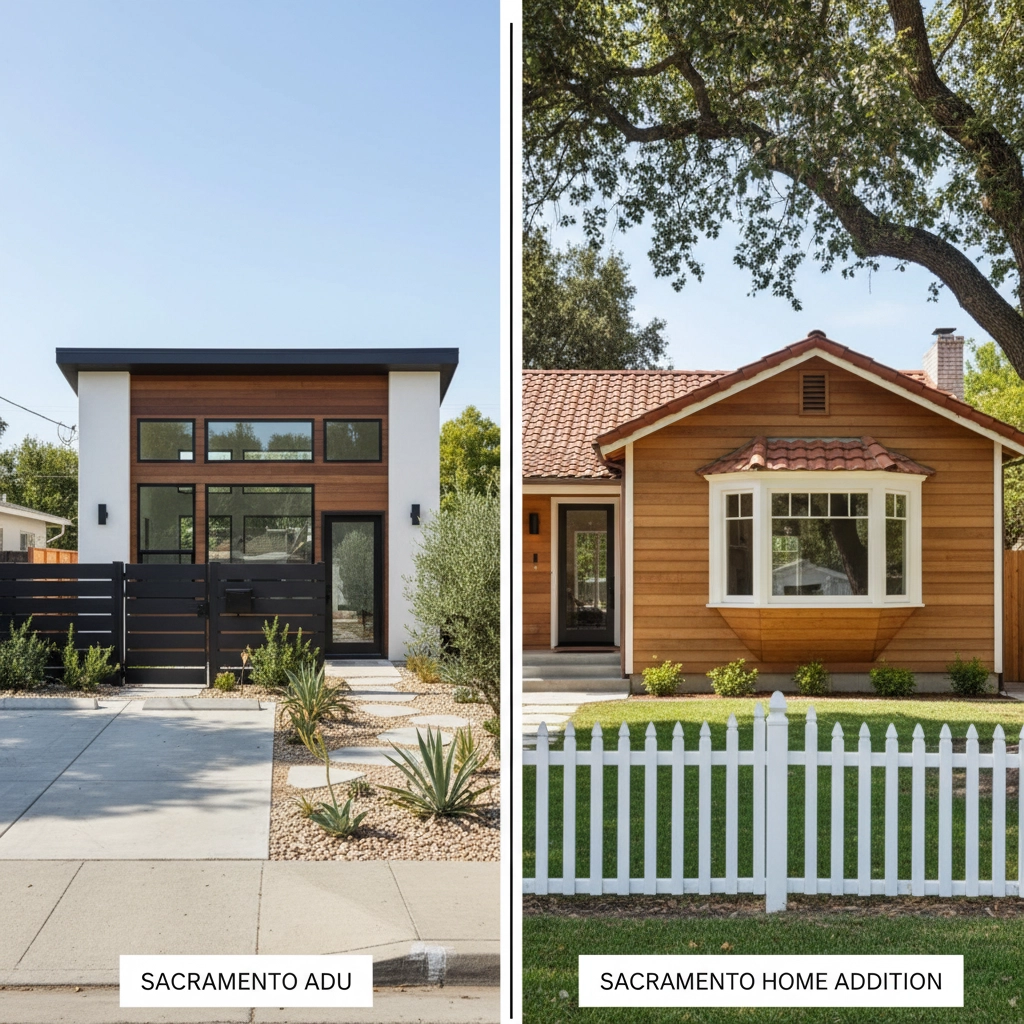
The choice between an ADU and home addition depends on several key factors specific to your situation.
Choose an ADU when you:
- Want to generate rental income or create investment opportunity
- Need housing for elderly parents or adult children while maintaining independence
- Have sufficient budget for higher upfront costs
- Own a property that meets Sacramento's ADU requirements
- Prefer separate, private living arrangements
- Plan to hold the property long-term for investment purposes
Choose a home addition when you:
- Need more shared living space for your growing family
- Want to enhance functionality of your existing home
- Are working with a more limited budget
- Prefer simpler construction and permitting processes
- Don't want landlord responsibilities
- Focus on immediate family lifestyle improvements rather than income generation
Market Considerations for Sacramento in 2025
Sacramento's real estate market continues to favor both ADUs and home additions, but with different dynamics. The rental market remains strong, making ADU income potential attractive. Property values have stabilized after previous rapid growth, making strategic improvements valuable for long-term appreciation.
The city's continued population growth and housing shortage create ongoing demand for both rental units and expanded family homes. ADUs help address the housing shortage while providing property owners with income opportunities.
Construction material costs and labor availability should factor into timing decisions. Planning your project for optimal contractor availability and material pricing can significantly impact total costs.
Making the Final Decision
For most Sacramento property owners in 2025, ADUs represent the more financially advantageous choice if budget allows. The combination of rental income potential, significant property value increase, and regulatory support makes ADUs attractive long-term investments.
However, families primarily seeking expanded living space for their own use may find home additions more practical and cost-effective for their immediate needs.
Consider consulting with local contractors experienced in both ADUs and home additions to evaluate your specific property's potential and constraints. Professional assessment of your lot, existing utilities, and structural considerations will inform the best choice for your situation.
Whether you choose an ADU or home addition, both options can significantly enhance your Sacramento property's value and functionality when properly planned and executed.
Interested in consulting on your project? Rimant Construction’s team can help weigh your options and create a tailored plan( reach out anytime for a conversation about your goals.)
916-690-4324
info@rimantconstruction.com
rimantconstruction.com
Disclaimer, these are opinions, and as always you should consult your local planning authority and a general contractor before you start construction work.


Comments
Post a Comment