ADU Grants and Incentives
ADU Grants and Incentives: 7 California Programs That Could Save You $50K+ in 2025
California homeowners looking to build accessory dwelling units (ADUs) in 2025 face a challenging reality: the state's primary grant program has exhausted its funding, leaving many without the financial assistance they expected. While the promise of substantial savings through multiple state programs may sound appealing, the current landscape tells a different story.
The Reality of California's ADU Grant Landscape
The California Housing Finance Agency (CalHFA) ADU Grant Program, which served as the state's flagship initiative for supporting ADU construction, ceased accepting applications in December 2023 after fully allocating its $100 million in funding. This program, launched in 2021, provided grants of up to $40,000 to qualified homeowners: falling short of the $50,000+ savings suggested by many online sources.
Currently, no comprehensive state-level ADU grant programs are actively accepting applications in California, despite claims of multiple active programs offering significant savings in 2025.
Understanding the CalHFA ADU Grant Program
Program Structure and Funding
The CalHFA ADU Grant Program represented California's most significant investment in ADU development assistance. The program combined $81 million from the state's general fund with $19 million from CalHFA's own resources, creating a substantial pool for homeowner assistance.
Grant Amounts and Eligibility
- Maximum grant: $40,000 per eligible property
- Target audience: Low- and moderate-income homeowners
- Geographic reach: 44 of California's 58 counties
- Application basis: First-come, first-served
Eligible Expenses Covered
The program specifically targeted pre-development and non-recurring closing costs, which often present the highest barriers to ADU construction:
Pre-Development Costs
- Site preparation and soil testing
- Architectural design and engineering
- Building permits and impact fees
- Property surveys and boundary assessments
- Energy efficiency reports
- Utility connection fees
Closing Costs

Program Impact and Distribution
Geographic and Demographic Reach
The CalHFA program achieved notable success in reaching underserved communities across California. Distribution data reveals:
- 42% of funds directed to socially disadvantaged areas
- Over 50% of grants awarded to BIPOC communities
- 44 counties served statewide
- Urban and rural communities included
Community Benefits
The program addressed critical housing shortage issues by:
- Creating affordable rental options in existing neighborhoods
- Providing housing for multigenerational families
- Supporting aging-in-place strategies for seniors
- Generating additional income streams for homeowners
Current Status and Alternatives
Program Closure and Wait Lists
As of December 28, 2023, the CalHFA ADU Grant Program stopped accepting new applications due to complete fund allocation. No new funding rounds have been announced for 2024 or 2025, leaving prospective ADU builders without state-level grant assistance.
What This Means for Homeowners:
- No current state ADU grants available
- Previous wait lists are not being honored
- Future funding rounds remain unconfirmed
Local Program Variations
While state-level programs remain unavailable, some local jurisdictions offer limited ADU incentives:
Municipal Programs
- Fee deferrals or reductions
- Expedited permitting processes
- Zoning variance assistance
- Utility connection support
Regional Variations
- Los Angeles County: Some fee reduction programs
- San Francisco: Limited affordable ADU initiatives
- San Diego: Pilot programs for specific neighborhoods
Alternative Financing Options
Private Financing Solutions
Without grant funding, homeowners must explore alternative financing approaches:
- Traditional construction-to-permanent loans
- Home equity lines of credit (HELOC)
- Personal loans for smaller ADU projects
- Cash-out refinancing options
Cost-Effective ADU Strategies
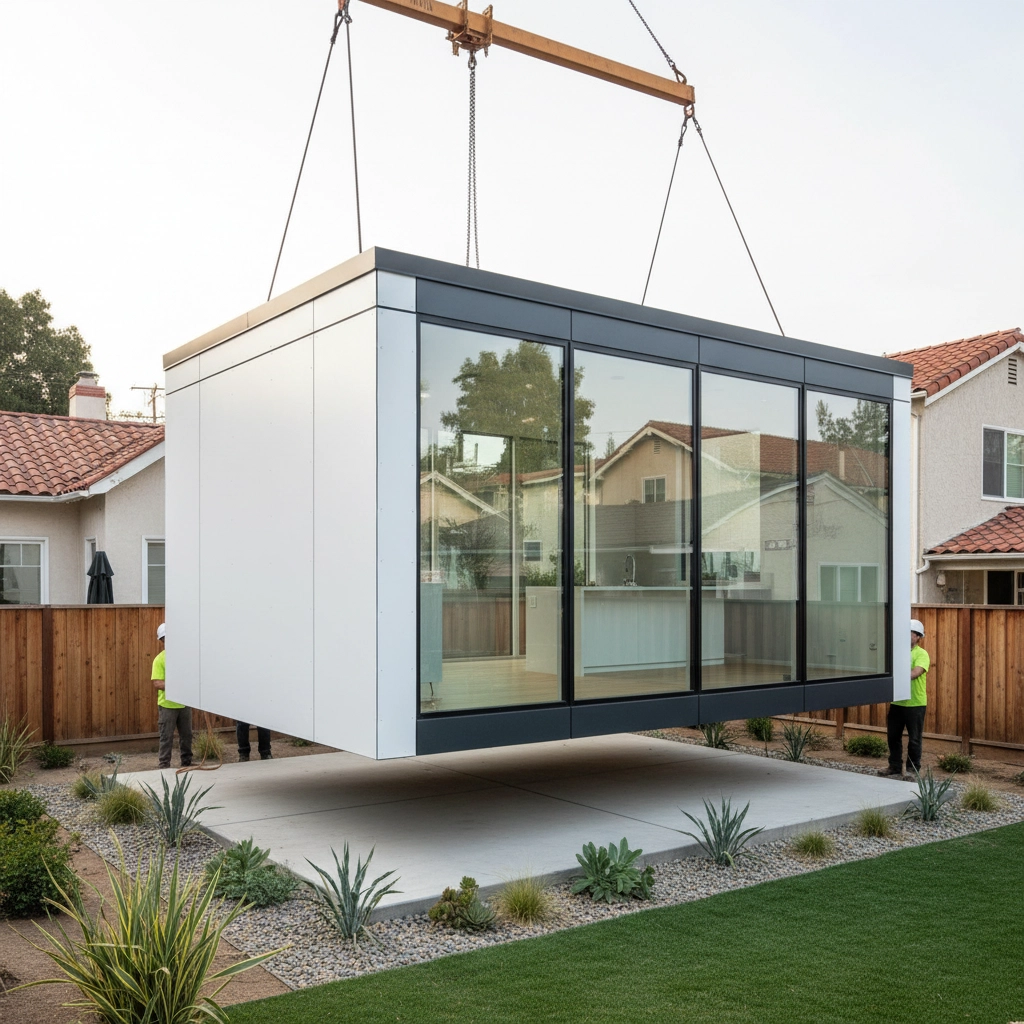
- Prefabricated and modular ADU systems
- Garage conversions versus new construction
- Phased construction approaches
- DIY-friendly design selections
Tax Incentives and Benefits
California homeowners can still benefit from various tax advantages:
- Property tax reassessment protections under Proposition 19
- Federal tax deductions for mortgage interest
- Potential rental income tax benefits
- Energy efficiency tax credits for sustainable features
Planning for Future Opportunities
Staying Informed About New Programs
Homeowners interested in ADU development should monitor several sources for potential future grant opportunities:
Official Resources
- CalHFA website and ADU eNews updates
- Local housing authority announcements
- Municipal planning department communications
- State legislative updates on housing initiatives
Preparing for Potential Programs
Should new grant programs emerge, homeowners can prepare by:
Documentation Preparation
- Income verification documents
- Property assessments and surveys
- Preliminary ADU design concepts
- Financial capability assessments
Pre-Development Activities
- Site feasibility studies
- Local zoning compliance research
- Utility capacity evaluations
- Neighborhood covenant reviews
Regional Considerations for California ADU Development
Climate and Construction Factors
California's diverse climate zones impact ADU development costs and design considerations:
- Higher seismic requirements
- Weather-resistant material needs
- Energy efficiency mandates
- Fire-resistant construction standards
- Water conservation requirements
- Solar installation incentives
- Air quality compliance measures
- Drought-resistant landscaping mandates
Regulatory Environment
California's ADU regulations continue evolving, affecting development costs and timelines:
State-Level Changes
- Streamlined approval processes
- Reduced parking requirements
- Setback requirement modifications
- Utility connection simplifications
Local Implementation Variations
- Municipal interpretation differences
- Fee structure variations
- Design standard requirements
- Historic district considerations
Moving Forward Without Grant Funding
While the absence of active state ADU grant programs in 2025 presents challenges, California homeowners can still pursue ADU development through strategic planning and alternative financing. The key lies in understanding realistic costs, exploring local incentives, and preparing for potential future grant opportunities.
For homeowners committed to ADU development, working with experienced contractors familiar with California's regulatory environment becomes essential. Professional guidance helps navigate complex permitting processes, optimize design choices for cost-effectiveness, and ensure compliance with evolving state and local requirements.
The ADU market in California continues growing despite funding challenges, driven by ongoing housing shortages and the financial benefits these units provide to homeowners. While $50,000+ in grant savings may not be currently available, the long-term investment value of ADUs often justifies development costs through rental income and property value increases.
Those considering ADU projects should focus on realistic financial planning, explore all available local incentives, and stay informed about potential future state programs while moving forward with their housing goals.
For a free consultation please contact our team at Rimant Construction
916-690-4324
martin@rimantconstruction.com
rimantconstruction.com
Disclaimer, these are opinions, and as always you should consult your local planning authority and a general contractor before you start construction work


Comments
Post a Comment